Combination Skin Care Guide

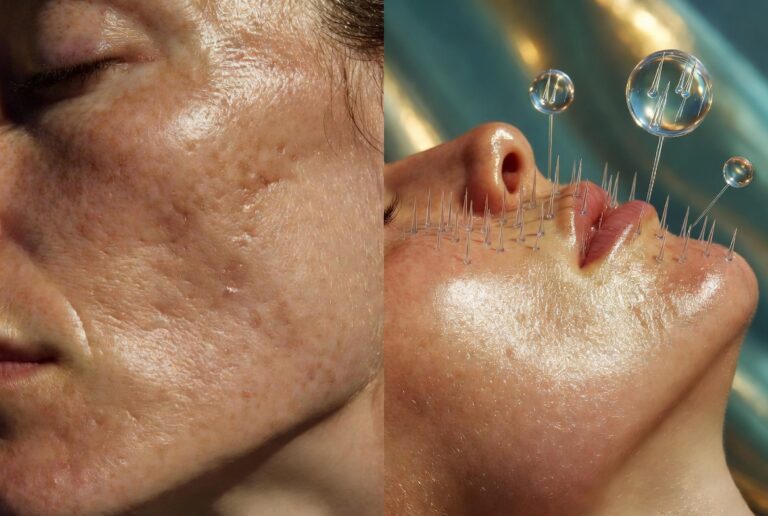
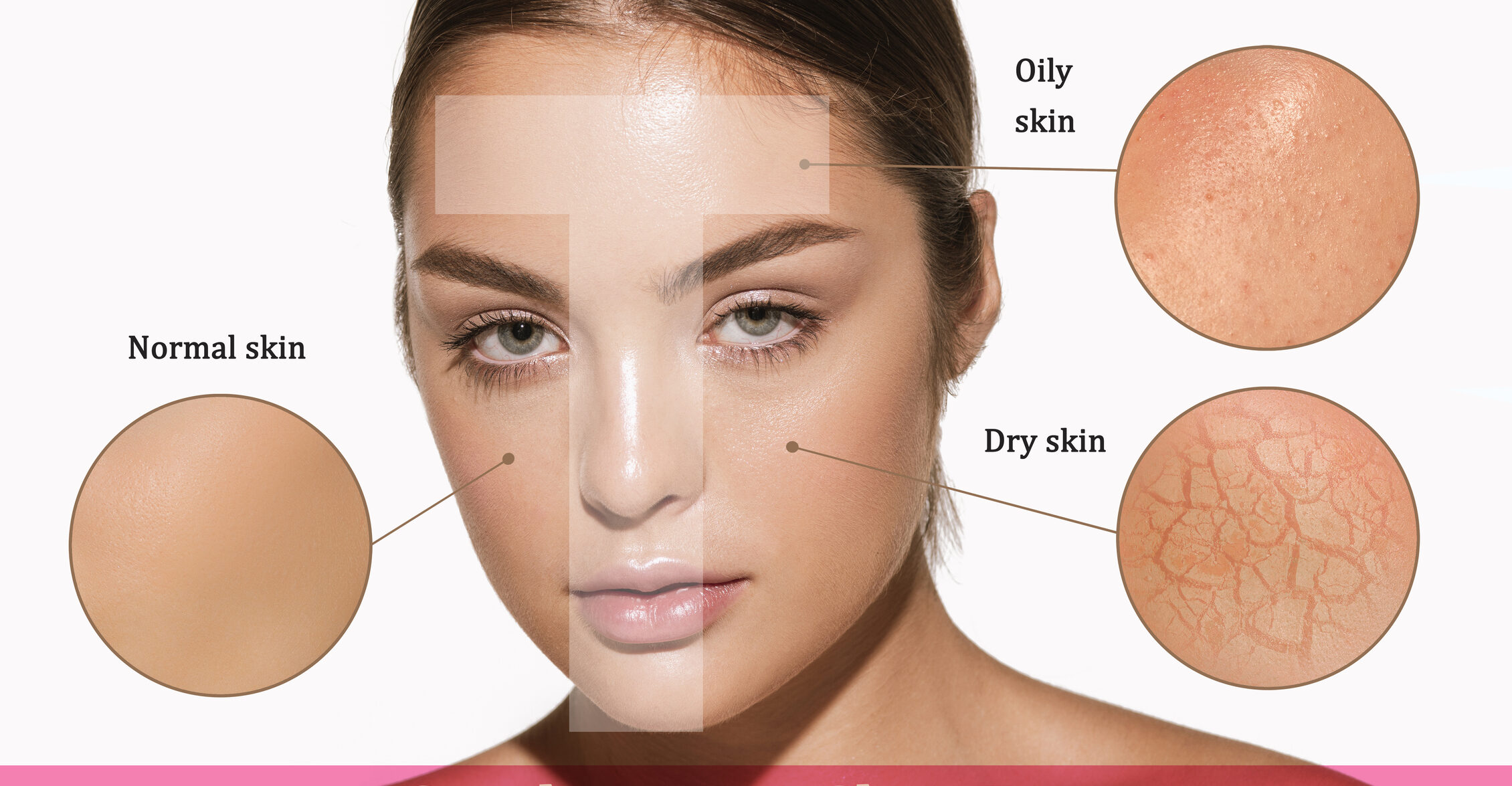
Combination skin is one of the most common skin types. It features a mix of oily and dry areas on the face—typically an oily T-zone (forehead, nose, and chin) with enlarged pores, shine, or breakouts, while the cheeks and other areas feel dry, tight, or flaky.
How to Identify Combination Skin
- Oily/shiny T-zone shortly after cleansing, with possible blackheads or pimples.
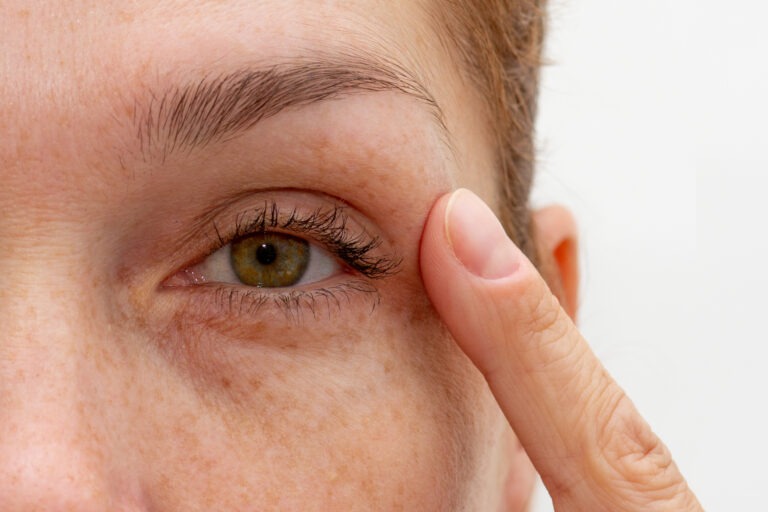
- Dry, rough, or tight patches on cheeks or around eyes.
- Skin that reacts differently to seasons, products, or weather (e.g., oilier in summer/humidity, drier in winter).
Key Goals for Combination Skin Care
Balance oil production in the T-zone without over-drying the cheeks, strengthen the skin barrier, and avoid clogging pores. Use lightweight, non-comedogenic (won’t clog pores) products. Be gentle—harsh scrubbing or stripping cleansers can worsen oiliness by triggering more sebum production.
Recommended Daily Skincare Routine
Keep it simple (morning and evening, with adjustments as needed):
Cleanser (Morning & Evening): Gentle, foaming or gel-based that removes oil without stripping.
Examples: CeraVe Foaming Facial Cleanser, La Roche-Posay Effaclar, or Neutrogena Oil-Free options.
Toner/Exfoliant (Optional, 1-2x daily): Lightweight, hydrating or balancing (e.g., with niacinamide or mild AHAs/BHAs). Use on T-zone for oil control.
Serum/Treatment:
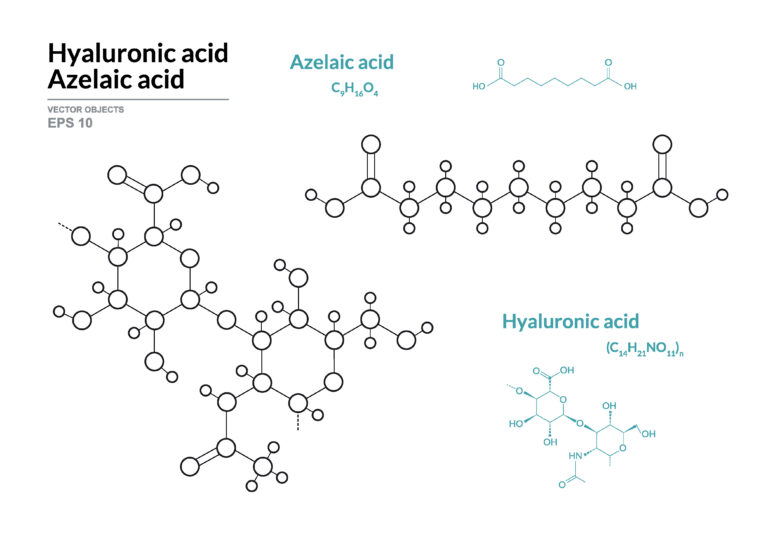
- Hyaluronic acid or glycerin for hydration everywhere.
- Niacinamide to regulate oil and refine pores.
- Salicylic acid (BHA) or lactic acid sparingly on oily areas for exfoliation and unclogging.
Moisturizer: Lightweight gel or lotion (non-comedogenic). Apply more to dry cheeks if needed. Look for ceramides to repair the barrier.
Sunscreen (Morning): Broad-spectrum SPF 30+ , lightweight gel or fluid (matte finish preferred for T-zone). Examples include mineral-based or hybrid formulas.
Evening additions: Gentle retinol or azelaic acid 2-3x/week for texture/oil control (start slow to avoid irritation).
Best Ingredients
- Hydrators: Hyaluronic acid, glycerin, ceramides, squalane.
- Oil balancers/exfoliators: Niacinamide, salicylic acid (BHA), lactic acid (AHA).
- Soothers/antioxidants: Azelaic acid, vitamin C (stable forms), green tea.
Avoid: Heavy/oily creams, alcohol-based toners, harsh physical scrubs, or very drying soaps—these can disrupt balance.
Extra Tips
- Patch test new products.
- Adjust seasonally or based on how skin feels.
- Use clay masks (e.g., kaolin or bentonite) on T-zone 1x/week for oil absorption.
- Stay consistent; results take 4-6 weeks.
- Consult a professional for persistent acne, sensitivity, or personalized advice (especially if using actives like retinoids).
Top spa treatments for combination skin focus on balancing the oily T-zone (forehead, nose, chin) with drier areas like the cheeks, while cleansing pores, controlling excess oil, providing hydration without clogging, and improving texture and glow.
Combination skin often shows oiliness in the center and dryness or flakiness elsewhere, so ideal treatments use customizable, gentle approaches that avoid over-stripping or over-hydrating any area. Here are the most recommended options based on expert sources:
1. HydraFacial (Top Recommendation)
This multi-step, non-invasive treatment cleanses, exfoliates with gentle acids, extracts impurities via vortex suction, and infuses hydrating serums (often with hyaluronic acid, antioxidants, and peptides).
Why it suits combination skin: It deeply cleans oily zones without stripping moisture and simultaneously hydrates dry patches for balanced, glowing skin with minimal to no downtime. Many dermatologists and spas call it ideal for all skin types, especially combination, as it addresses congestion, enlarged pores, uneven tone, and dullness in one session.
Typical duration and results: 30–60 minutes; instant radiance and smoother texture that lasts days to weeks. Repeat every 4–6 weeks.
2. Hydrating or Balancing Facials (Customized/European Style)
These include gentle cleansing, light exfoliation, targeted serums/masks (e.g., hyaluronic acid, glycerin, or ceramides for dry areas; oil-controlling ingredients for T-zone), and massage. Multi-masking or zone-specific application is common.
Why it suits combination skin: They restore moisture to prevent overproduction of oil (from dehydration) while calming the T-zone, reducing tightness and flakiness.
Typical duration and results: 60 minutes; improved hydration, reduced redness, and a dewy but not greasy complexion.
3. Mild Chemical Peels (Glycolic, Lactic, Mandelic, or Salicylic)
Light peels (often AHA/BHA blends) exfoliate dead skin, unclog pores, and promote cell turnover. Glycolic acid is frequently highlighted for combination skin.
Why it suits combination skin: They target oil and impurities in the T-zone while smoothing dry patches and boosting overall brightness without harsh irritation (when mild and professionally applied). Avoid deep peels.
Typical duration and results: 20–45 minutes (plus possible mild peeling afterward); smoother texture, fewer blackheads, and even tone. Series recommended for best results.
4. LED Light Therapy Facial (Often Added to Others)
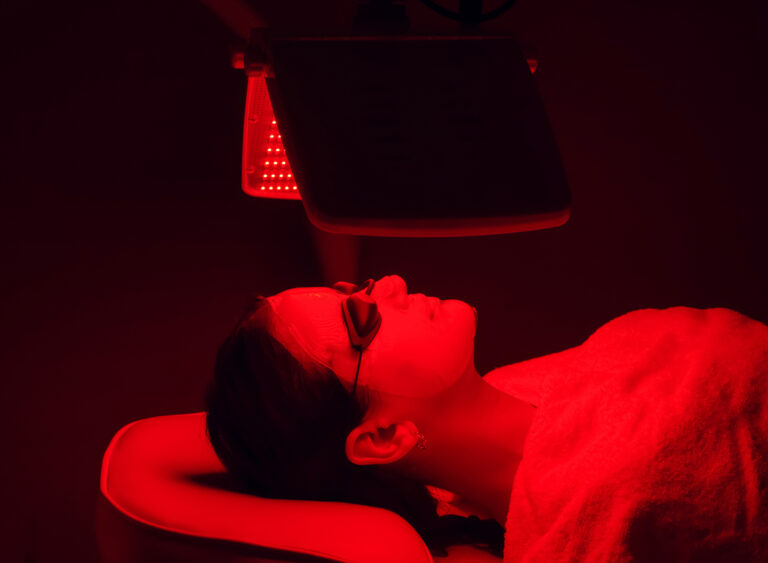
This uses blue light (for oil control and bacteria) and red light (for repair, collagen, and calming dry areas), usually after cleansing or as a standalone add-on.
Why it suits combination skin: It addresses multiple issues simultaneously—reducing breakouts in oily zones and promoting healing/hydration balance elsewhere—without physical abrasion.
Typical duration and results: 20–30 minutes added to a facial; reduced inflammation, better tone, and glow with no downtime.
5. Customized or Signature Facials with Add-Ons
Many spas offer tailored treatments combining elements like oxygen infusion, gentle extractions, enzyme exfoliation, or Gua Sha, plus add-ons such as LED or targeted masks.
Why it suits combination skin: Estheticians customize by zone for precise balance.
Other mentions include oxygen facials or microdermabrasion (gentle versions) for texture, but these are less universal than the above.
Quick Tips for Best Results
- Frequency: Every 4–6 weeks to align with skin renewal cycles.
- Consult first: A professional skin analysis ensures customization and rules out sensitivities.
- Home care synergy: Use gentle foaming cleansers, Niacinamide or salicylic acid for oil control, hyaluronic acid for hydration, and non-comedogenic moisturizers/sunscreen daily.
- Avoid: Harsh scrubs, strong peels, or heavy oils that can exacerbate imbalance.
Results vary by individual skin.
Achieving balance with combination skin—especially when it’s also sensitive—is less about chasing perfection and more about embracing consistency and smart, targeted care. The T-zone may always produce a bit more oil, while cheeks stay drier, but with a minimalist routine built on gentle cleansing, barrier-supporting hydration, niacinamide for oil control and calming, and reliable mineral sunscreen, you can minimize shine, flakiness, redness, and breakouts over time.
The key takeaway: Listen to your skin daily rather than forcing a one-size-fits-all approach. Use lighter, gel-based or mattifying textures on oily areas and richer hydration where needed. Avoid harsh stripping cleansers, heavy occlusives across the whole face, or over-exfoliating, which often worsens the imbalance. Ingredients like ceramides, hyaluronic acid, centella, and low-percentage acids (when tolerated) help harmonize your skin’s needs without irritation.
With patience and the right products, combination skin can become your most balanced and resilient asset—radiant, even-toned, and far less reactive. Start simple, patch test religiously, and adjust seasonally. Your skin will thank you with that coveted “just right” feel: hydrated but not greasy, calm but not tight.
Final tip: If sensitivity persists or you’re dealing with acne/rosacea overlap, consult a professional for personalized guidance. Healthy, glowing skin is achievable—and sustainable—when you work with your skin type instead of against it.