
Niacinamide: Skin Benefits & Uses

Niacinamide (also known as nicotinamide) is a form of vitamin B3 (niacin). It serves as an essential nutrient involved in energy metabolism, cellular repair, and maintaining healthy skin, fats, and sugars in the body.
Your body can produce it from excess niacin or the amino acid tryptophan, and it’s naturally present in foods like meat, fish, milk, eggs, green vegetables, and cereals. Unlike niacin (nicotinic acid), niacinamide does not cause the “niacin flush” (redness, itching, or tingling), making it gentler for both oral and topical use.
Key Differences: Niacin vs. Niacinamide
- Niacin (nicotinic acid): Often used for cholesterol management (lowering LDL, raising HDL) but can cause flushing.
- Niacinamide (nicotinamide): Preferred for skin health, inflammation, and general supplementation without flushing.
They are related but serve somewhat different primary roles; the body can interconvert them to some extent.
Benefits for Skin (Topical Use)
Niacinamide is a skincare superstar, backed by clinical studies. It is well-tolerated across skin types, including sensitive, acne-prone, dry, and aging skin. Common concentrations in serums, moisturizers, and creams range from 2–10% (with 2–5% often sufficient for benefits).
Proven or well-supported effects include:
- Strengthens the skin barrier — Reduces transepidermal water loss (TEWL), improves hydration, and boosts ceramide production for smoother, more resilient skin.
- Reduces inflammation and redness — Helps calm conditions like acne, rosacea, eczema, and irritation.
- Controls oil and minimizes pores — Regulates sebum production, especially useful for oily or combination skin.
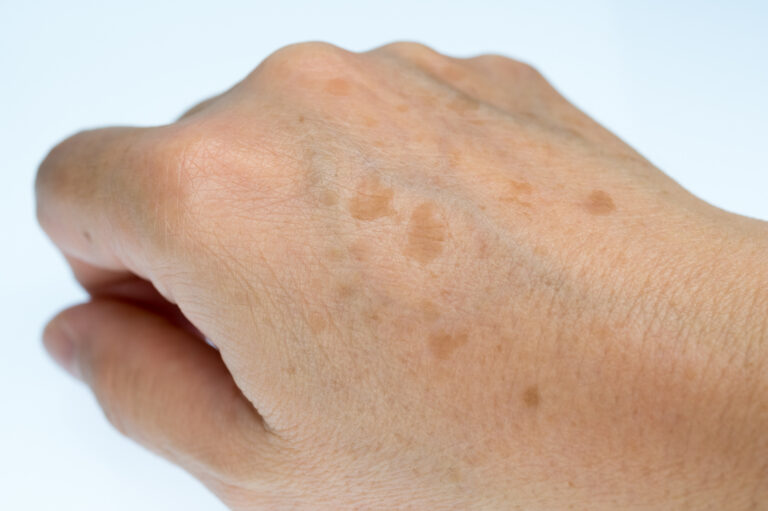
- Fades hyperpigmentation and brightens — Inhibits melanosome transfer, reducing dark spots, uneven tone, and sallowness (yellowing).
- Anti-aging — Improves fine lines, wrinkles, elasticity, and overall texture by supporting collagen and reducing signs of photoaging.
- Other — Antimicrobial and sebostatic (oil-reducing) effects; may help with photo-protection.
Popular products include The Ordinary’s Niacinamide 10% + Zinc 1% serum for oil control and pore minimization. It pairs well with many ingredients but start low if layering with actives like retinoids or acids to avoid potential irritation.
Oral/Supplemental Use
- Primary role: Prevents and treats pellagra (severe B3 deficiency).
- Other researched areas: Some evidence for acne (topical is stronger), anti-inflammatory effects, and possibly reducing non-melanoma skin cancer risk in high-risk individuals (e.g., via oral doses under medical supervision). Limited or mixed evidence for diabetes, osteoarthritis, or other conditions.
- Daily needs: Adult RDA is about 14–16 mg niacin equivalents (NE). Supplements often range higher (e.g., 500 mg), but consult a doctor for therapeutic doses.
Safety and Side Effects
- Topical: Generally very safe with minimal side effects. Rare mild irritation, itching, redness, or burning—especially at higher concentrations (>5–10%) or on compromised skin. Patch test if sensitive. Not a photosensitizer.
Oral: Likely safe at food/supplement levels (<35 mg/day) or up to 900–1500 mg/day under guidance. Possible mild side effects at higher doses include stomach upset, gas, dizziness, headache, or rash. Doses >3g/day risk more serious issues like liver toxicity. Unlike niacin, no flushing. Avoid high doses if you have liver issues; consult a healthcare provider, especially if pregnant, breastfeeding, or on medications.
Niacinamide is non-toxic at typical cosmetic/supplement levels and has a strong safety profile in studies.
How to Use It
- Skincare: Apply after cleansing, before heavier creams. Use morning and/or night. Results often appear in 4–12 weeks with consistent use.
- Supplements: Follow label or doctor-recommended dosing; it’s available in capsules.
Tip: It’s stable and compatible with most routines, making it a versatile “multitasker.”
If you’re dealing with specific skin concerns (e.g., acne, aging, pigmentation) or considering supplements, results can vary by individual. For personalized advice, especially higher-dose oral use, talk to a professional or physician. It’s one of the most researched and reliable skincare ingredients available today.