
Exosomes – What Are Exosomes?

Exosomes in skincare are one of the hottest regenerative trends right now (early 2026), often hailed as a next-level step beyond traditional actives like retinol, peptides, or even growth factors. They’re shifting skincare toward true cellular-level repair and longevity rather than just surface-level improvements.
What Are Exosomes?
Exosomes are tiny, naturally occurring extracellular vesicles—essentially microscopic “delivery packages” (30-150 nanometers in size, about 1,000 times smaller than a human hair) released by cells. They act as messengers, carrying a cargo of proteins, lipids, growth factors, peptides, microRNA, and other signaling molecules between cells.
In the body, they help coordinate communication, telling nearby cells to repair damage, reduce inflammation, or behave more youthfully. In skincare, they’re harvested (usually from stem cells, like mesenchymal stem cells, or sometimes plant-derived alternatives) and incorporated into topical serums, creams, or professional treatments to deliver these instructions directly to your skin cells.
Think of them as a high-tech text messaging system for your skin: instead of one specific signal (like a single growth factor saying “make more collagen”), exosomes deliver a whole package of coordinated messages for broader regeneration.
How Do They Work in Skincare?
When applied topically or used in procedures (like microneedling or post-laser), exosomes are absorbed and influence skin cells to:
- Boost collagen and elastin production (for firmer, plumper skin and reduced fine lines).
- Accelerate tissue repair and wound healing (great for post-procedure recovery or scars).
- Reduce inflammation and calm redness (helpful for sensitive skin, rosacea, or irritation).
- Improve overall skin vitality, texture, hydration, and barrier function.
- Potentially reprogram cells to act younger by influencing gene expression via the RNA cargo.
They’re more “holistic” than isolated growth factors (which target one pathway) because exosomes contain a mix of signals, making them potentially more comprehensive for anti-aging and regeneration.
Procedures
Exosomes are increasingly incorporated into professional skincare and aesthetic dermatology procedures to enhance delivery into deeper skin layers. Since exosomes struggle to penetrate intact skin barriers effectively on their own (as noted in clinical reviews and expert insights), they’re most potent when combined with treatments that create micro-channels, micro-injuries, or temporary openness in the skin. This allows exosomes (often stem cell-derived, like from adipose, placental, or platelet sources) to act as regenerative messengers, boosting collagen production, reducing inflammation, accelerating healing, improving texture, elasticity, and addressing concerns like wrinkles, scars, pigmentation, and acne.
Here are the main procedures where exosome delivery is commonly incorporated (based on current dermatology practices, clinical studies, and aesthetic trends as of 2026):
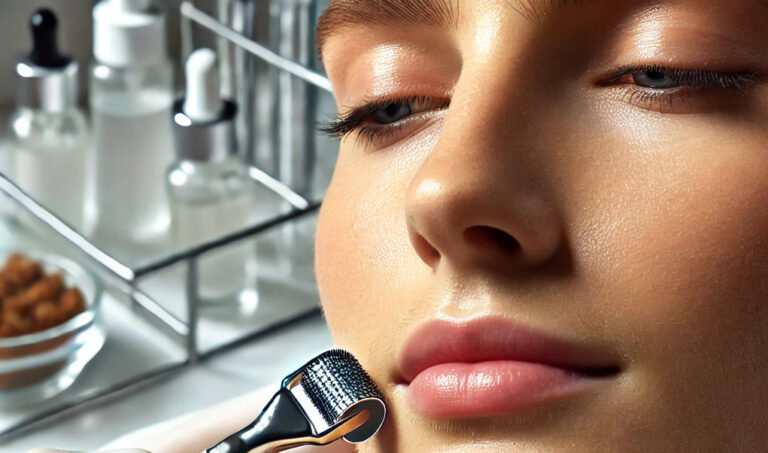
Microneedling (with or without RF) — One of the most popular pairings. Tiny needles create micro-injuries/channels, and exosome serum is applied immediately after (or during, as a “meso-glide”). This enhances absorption, speeds recovery, amplifies collagen/elastin production, and improves results for anti-aging, scars, texture, and pores. Variants include: Standard microneedling + exosomes (e.g., SkinPen or Dermapen and many other along with protocols).
RF Microneedling (e.g., Morpheus8, Scarlet RF, Virtue RF, Sylfirm X, Genius RF) — Adds radiofrequency heat for deeper tightening; exosomes reduce downtime and boost firmness/glow.
Laser Resurfacing/Treatments — Exosomes are applied post-procedure to fractional,pixel or ablative lasers (e.g., CO2, eCO2, fractional non-ablative like LaseMD Ultra and Erbium Pixel). They shorten downtime e.g., less redness/erythema), enhance collagen remodeling, and improve outcomes for acne scars, wrinkles, pigmentation, and overall rejuvenation. Studies show better scar improvement and reduced side effects vs. laser alone.
Chemical Peels or Exfoliating Treatments — Post-peel application calms irritation, supports barrier repair, and amplifies glow/clarity by promoting faster healing.
Radiofrequency (RF) Treatments (non-needle or combined) — Standalone RF or needle-based; exosomes help with inflammation control and regeneration for tighter, more even skin.
Exosome-Enhanced Facials or “Exosome Therapy/Facial” — In-office treatments where exosomes are infused topically (often after light exfoliation or mild needling). Some clinics offer standalone “exosome facials” or combine with PRP alternatives for hydration, brightening, and anti-aging.
Other Advanced/Injectable Options — Less common for pure skincare but used in aesthetics: direct micro-injections or mesotherapy-style delivery for targeted areas (e.g., under-eyes, scars). Sometimes paired with fat grafting or hair restoration.
Benefits
- Regenerative and anti-aging: Enhanced collagen/elastin, smoother texture, firmness, and reduced wrinkles.
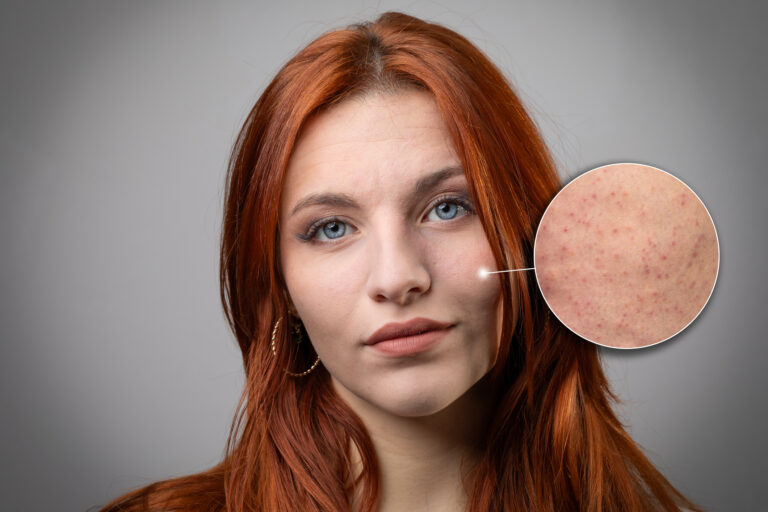
- Anti-inflammatory: Calms redness and supports conditions like acne scars or sun damage.
- Healing boost: Speeds recovery after in-office treatments (e.g., lasers, microneedling).
- Barrier and hydration support: Strengthens the skin’s natural defenses.
These are in-office procedures performed by dermatologists, Med Spa’s or licensed aesthetic providers—not at-home routines (though some use at-home microneedling rollers with topical exosome serums for milder effects). Results vary by exosome source/concentration, procedure, and individual factors; multiple sessions (e.g., 3–6) are often recommended.
Many users and experts report glowing, resilient skin with longer-term improvements compared to traditional topicals.
This aligns perfectly with 2026’s focus on longevity and biotech-driven skincare—exosomes are exploding in popularity, especially in K-beauty-inspired lines and professional settings, with at-home serums flooding the market.
Risks and Considerations
While promising, exosomes aren’t without caveats:
- Limited long-term data: Much of the hype comes from preclinical studies, small trials, or anecdotal results. Large-scale, controlled clinical evidence is still building.
- Sourcing concerns: Human-derived exosomes (e.g., from stem cells) raise ethical and safety questions—potential for unwanted cargo (like pro-inflammatory or even oncogenic elements in theory, though rare in reputable products). Plant-derived or synthetic alternatives are emerging to sidestep this.
- Regulation: Many cosmetic exosome products aren’t FDA-approved as drugs, so quality varies wildly between brands.
- Efficacy debate: Some experts note topical absorption may be limited, and results aren’t guaranteed for everyone. They’re often most effective when paired with procedures rather than standalone.
- Potential mild irritation in sensitive skin, though they’re generally well-tolerated.
Always choose reputable brands with transparent sourcing (e.g., medical-grade or clinically tested) and patch-test first.
Exosomes vs. Similar Ingredients
- Vs. Growth factors: Growth factors are single proteins that prompt specific actions (e.g., collagen boost). Exosomes deliver a bundle—including growth factors—plus RNA and lipids for more coordinated, multi-pathway effects. Many see exosomes as an upgraded version.
- Vs. Peptides: Peptides signal collagen production but are simpler; exosomes offer deeper cellular communication.
Skincare Brands on Amazon That Have Exosomes
Several skincare brands offer products featuring exosomes (or exosome technology) available on Amazon. These are often from Korean beauty (K-beauty) lines or emerging Western brands, as exosomes are a trending ingredient for hydration, anti-aging, skin renewal, and texture improvement. Many use plant-derived, cosmetic-grade, or patented exosomes rather than human-derived ones.
Here are some prominent brands and examples of their exosome-containing products sold on Amazon (based on current listings and reviews):
medicube — A popular K-beauty brand with viral exosome products. Examples include the Exosome Shot Zero series (e.g., 2,000 PPM, 7,500 PPM, or higher variants) — these are spicule-based serums/booster with exosomes, AHA/BHA/PHA for pore care, texture, and exfoliation.
NEOGEN (by DERMALOGY) — Offers the High R Exosome Cream, a hydrating moisturizer with exosomes, hyaluronic acid, peptides, and resveratrol for nourishment, elasticity, and skin balance.
The INKEY List — Affordable, clean beauty brand with the Exosome Hydro-Glow Complex serum (plant-derived exosomes) — clinically backed for boosting glow, collagen, hydration, and renewal; suitable for all skin types.
Sesderma — Features EXOSES line, like the EXOSES Cream or Serum with cosmetic-grade exosomes for radiant, smoother skin.
EXOCELL — Specializes in high-concentration exosome products, such as their Exosomes for Skin Rejuvenation (10 billion particles, 980K PPM) with HA solution for anti-aging and hydration.
Other mentions include brands like Dermafirm, Skinfix (e.g., Exo + Ectoin products), ANAI RUI, or various lesser-known K-beauty lines with exosome serums/ampoules (e.g., with PDRN, peptides, or cica).
If you’re in the Chicago area and interested in exosome-enhanced microneedling or other regenerative aesthetic treatments, several reputable med spas, plastic surgery practices, and dermatology-focused clinics offer these cutting-edge options. These often incorporate high-quality, medical-grade exosomes (e.g., from brands like AnteAGE, Kimera Labs, or similar trending lines inspired by regenerative and K-beauty innovations) to boost healing, collagen production, and results from microneedling, lasers, or facials.