
Acne-Prone Skin Routine & Tips

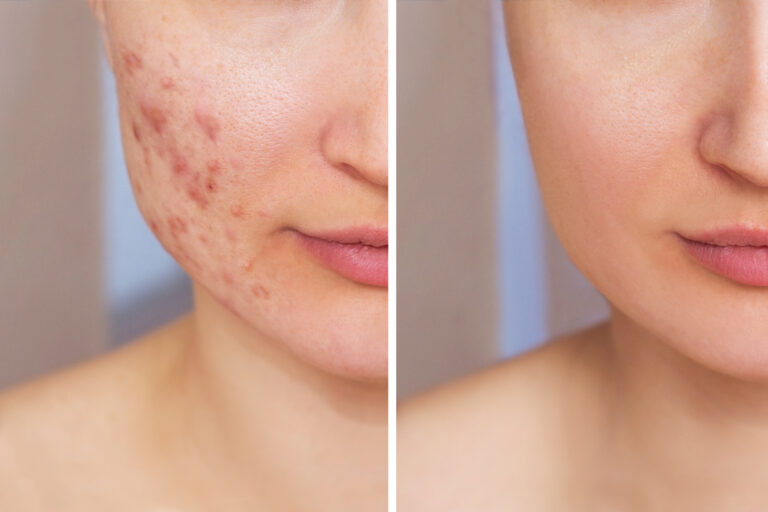
Acne-prone skin is typically oily or combination, with a tendency for clogged pores, breakouts (whiteheads, blackheads, pimples, cysts), and inflammation due to excess sebum, bacteria (Cutibacterium acnes), dead skin buildup, and sometimes hormones or diet. The good news: consistent, gentle care and proven ingredients can significantly improve it. Results often take 4–12 weeks, and seeing a professional is best for moderate-to-severe or persistent acne.
Basic Daily Skincare Routine for Acne-Prone Skin
Keep it simple—overdoing it irritates skin and worsens breakouts. Aim for twice-daily (morning and night), using non-comedogenic (won’t clog pores), fragrance-free, and gentle products. Introduce one new product at a time.
Morning Routine:
- Cleanse — Gently wash with a mild cleanser (e.g., one with salicylic acid or benzoyl peroxide) to remove oil and dirt without stripping skin.
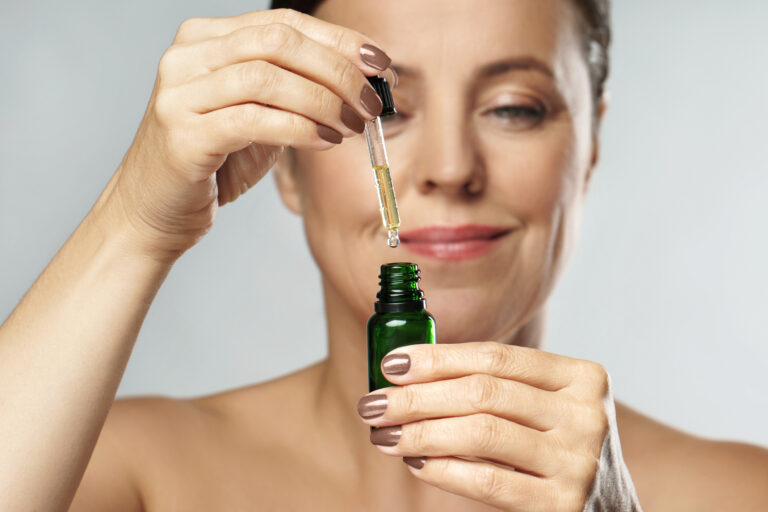
- Treat — Apply a lightweight serum or treatment with active ingredients.
- Moisturize — Use a lightweight, oil-free, non-comedogenic moisturizer (even oily skin needs hydration to avoid overproducing oil).
- Protect — Apply broad-spectrum SPF 30+ (mineral-based like zinc oxide is often better tolerated).
Night Routine:
- Cleanse (same as morning; double-cleanse if wearing makeup/sunscreen).
- Treat — Use acne actives like retinoids here.
- Moisturize — Same as morning or a slightly richer one if needed.
Key Effective Ingredients (Professional-Recommended)
- Benzoyl peroxide (2.5–10%): Kills acne bacteria, reduces oil and inflammation. Start low to avoid dryness.
- Salicylic acid (0.5–2%): Beta-hydroxy acid that exfoliates inside pores, unclogs them, and reduces oil. Great for blackheads/whiteheads.
- Adapalene/Retinoids (retinoid like Differin 0.1%): Unclogs pores, prevents new breakouts, improves texture and scars. Use at night; start slowly (2–3x/week). Not for pregnancy.
- Niacinamide: Calms inflammation, regulates oil, strengthens barrier, minimizes pores.
- Azelaic acid: Gentle antibacterial, anti-inflammatory, helps with redness and dark marks.
Popular Product Recommendations (2025–2026)
(See also: Top Rated Products for Acne Prone Skin)
- Cleansers: CeraVe Acne Foaming Cream Cleanser (benzoyl peroxide or SA), La Roche-Posay Effaclar.
- Treatments: Differin Gel (adapalene), CeraVe SA or Acne Control products, Paula’s Choice 2% BHA.
- Moisturizers: La Roche-Posay Toleriane Double Repair, Neutrogena Hydro Boost (gel).
- Sunscreens: EltaMD UV Clear, La Roche-Posay Anthelios
Other helpers: Glycolic/lactic acids (AHAs for surface exfoliation), sulfur (drying for oil control). Patch-test and build tolerance.
Top spa and medspa treatments for acne-prone skin focus on deep cleansing, unclogging pores, reducing inflammation and bacteria, controlling oil production, and improving texture/scarring with minimal irritation. Always consult a licensed esthetician or dermatologist for personalized advice, as results vary by skin type, acne severity, and any active breakouts (avoid aggressive treatments on very inflamed skin).
1. Chemical Peels (especially Salicylic Acid or Customized Acne Peels)
These apply a solution (like salicylic, glycolic, or TCA) to exfoliate the top skin layers, unclog pores, reduce oil, kill bacteria, and fade scars/post-inflammatory marks. Milder peels suit active acne; deeper ones target scarring. Multiple sessions are often needed, with some downtime (peeling/flaking) depending on strength.
Great for: Clogged pores, blackheads, mild-moderate acne, and uneven texture.
2. HydraFacial (or Similar Extraction + Infusion Facials)
This multi-step treatment cleanses, exfoliates gently with suction for extractions, extracts debris from pores, and infuses hydrating/antioxidant serums. It’s non-invasive with no downtime and uses salicylic acid or acne-specific boosters.
Great for: Congested, oily skin; quick refresh with immediate glow.
3. LED Light Therapy (Blue Light + Red Light)
Blue light targets and kills acne-causing bacteria (P. acnes) while reducing inflammation; red light calms skin, promotes healing, and reduces redness. It’s painless, no downtime, and often combined with other treatments.
Great for: Active inflammatory acne, sensitive skin, and maintenance.
4. Microdermabrasion or DiamondGlow/Micropeels
These use gentle abrasion (crystals or diamond tip) or combined light peel + exfoliation to remove dead skin, unclog pores, and smooth texture. They’re milder than traditional peels.
Great for: Mild acne, dullness, and early scarring.
5. Microneedling (Collagen Induction Therapy, sometimes with RF or PRP)
Tiny needles create micro-injuries to boost collagen, reduce scars, improve texture, and help with active acne by enhancing product absorption. Avoid on fully active, open acne lesions.
Great for: Acne scars, pitted skin, and long-term improvement.
6. Laser or IPL/BBL Treatments (e.g., Forever Clear)
These target bacteria, reduce oil glands, calm inflammation, and address redness/scarring. Broadband Light (BBL) or specific acne lasers are common.
Great for: Persistent acne, redness, and scarring.
Other Supportive Options
Deep-cleansing acne facials (European-style with extractions, masks, and calming ingredients like tea tree or niacinamide) — ideal for maintenance.
Oxygen or enzyme facials — gentler for sensitive acne-prone skin.
Typical results timeline: Noticeable improvement in 3–6 sessions (spaced 2–4 weeks apart), with best outcomes from a series plus consistent home care (gentle cleanser, non-comedogenic products, sunscreen). Many treatments combine modalities for better results.
Tips for success:
- Patch test and disclose medications (e.g., retinoids, isotretinoin) as they affect suitability.
- Post-treatment: Avoid sun, harsh products, and picking; use soothing, hydrating care.
- Medspas often customize for acne (e.g., VI Peel, salicylic-focused protocols).
- Pair with professional skincare advice for lasting clear skin.
Lifestyle and Diet Tips
- Diet: Low-glycemic index foods (whole grains, veggies, lean proteins) may help reduce breakouts by stabilizing blood sugar/insulin. Some evidence links dairy (especially skim milk) and high-sugar/processed foods to worsening acne for certain people. Omega-3s (fish, nuts) can reduce inflammation. Some individuals report that excessive consumption of certain nuts can trigger breakouts. Track what triggers you.
- Lifestyle: Manage stress (it spikes hormones), change pillowcases often, avoid touching your face, and exercise (but shower after to remove sweat).
- Stay hydrated and get enough sleep.
Key Tips for Success
- Be patient: 4–12 weeks for noticeable results.
- Moisturize and use SPF daily—even oily skin needs this.
- Avoid scrubbing, popping, heavy/oily products, and frequent product changes.
- Lifestyle: Low-glycemic diet, stress management, clean pillowcases
When to See a Professional
If OTC options aren’t enough after 8–12 weeks, or if you have cysts, scarring, or emotional distress—dermatologists can prescribe stronger topicals (e.g., tretinoin), antibiotics, spironolactone (hormonal), or isotretinoin. In-office treatments like chemical peels or light therapy also help.
Consistency is key, and patience pays off—many people achieve clearer skin with the right approach. Always consult a professional for personalized advice.