
Blue Light Therapy Benefits and Uses

See also: Red Light Therapy Benefits and Uses | The Benefits of At-Home Red, Blue, and Green Light Therapy for Face
See also: Red & Blue Light Therapy Mask Picks
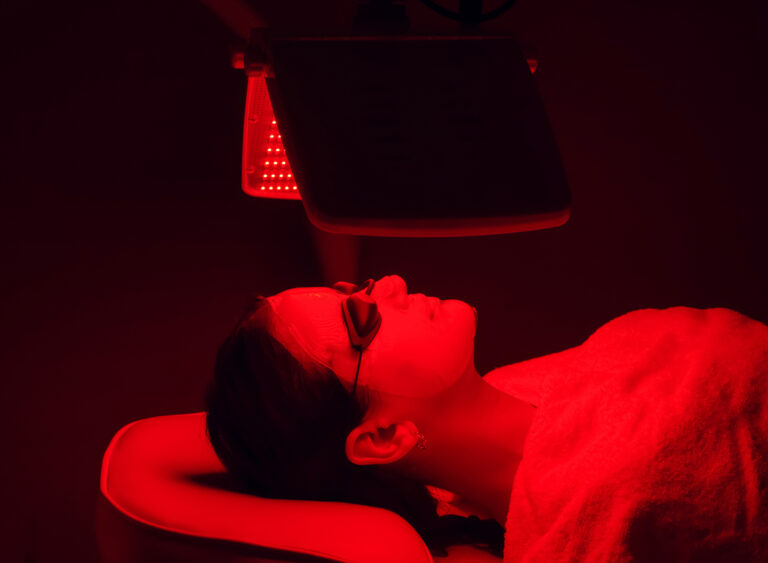
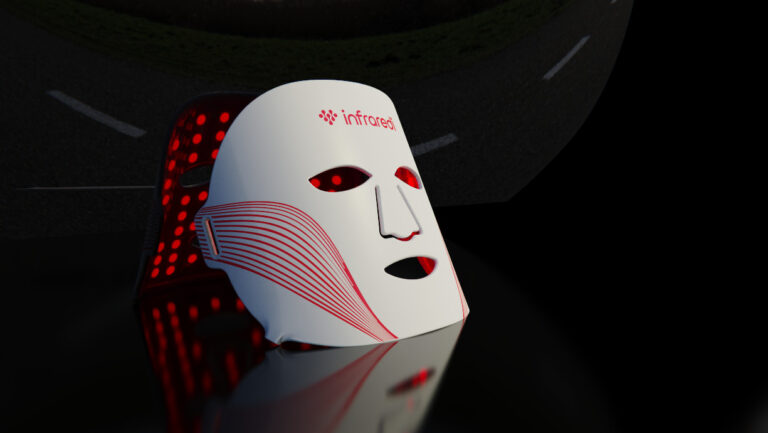
Blue light therapy uses visible light in the 400–495 nm wavelength range (typically 415–470 nm for therapeutic applications) to trigger biological effects, primarily via photoreceptors in the skin or eyes. It’s non-invasive, FDA-cleared for several indications, and delivered via lamps, masks, or in-office devices.
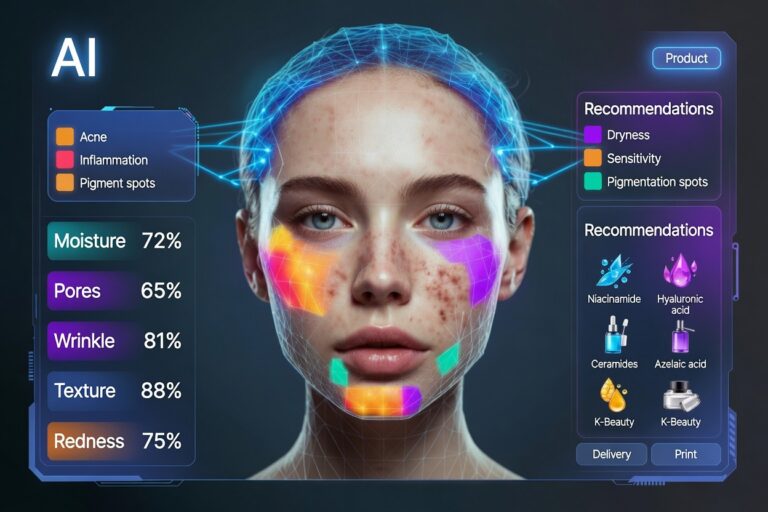
1. Acne Vulgaris (Strongest Evidence)
Mechanism: Blue light activates porphyrins produced by Cutibacterium acnes (formerly Propionibacterium acnes), generating reactive oxygen species that kill the bacteria.
Efficacy:
- Moderate inflammatory acne: 60–80% reduction in lesions after 4–8 weeks (twice-weekly 20-min sessions).
- FDA-cleared devices (e.g., Blu-U, Omnilux) show comparable results to low-dose benzoyl peroxide but with less irritation.
Best for: Mild-to-moderate acne; often combined with red light or topical photosensitizers (e.g., ALA in photodynamic therapy).
2. Actinic Keratoses & Precancerous Lesions (Photodynamic Therapy)
Mechanism: When combined with photosensitizing agents (aminolevulinic acid or methyl aminolevulinate), blue light activates the drug to destroy abnormal keratinocytes.
Efficacy: 75–90% clearance of thin actinic keratoses after 1–2 PDT sessions (Level 1 evidence).
Use case: Field treatment for sun-damaged skin on face/scalp.
3. Seasonal Affective Disorder (SAD) & Circadian Rhythm Disorders
Mechanism: High-intensity blue-enriched white light (10,000 lux) suppresses melatonin via ipRGCs in the retina, mimicking daylight.
Efficacy:
- SAD: 60–80% response rate with 30 min daily exposure (morning).
- Shift work/jet lag: Blue light boxes or goggles advance/delay circadian phase.
Devices: GoLite, Philips EnergyLight (blue LEDs more efficient than white light).
4. Neonatal Jaundice (Bili Lights)
Mechanism: Blue light (450–470 nm) isomerizes unconjugated bilirubin in skin to water-soluble forms excreted in urine/stool.
Efficacy: Standard of care; reduces need for exchange transfusion.
5. Emerging/Investigational Uses (Moderate–Weak Evidence)
- Psoriasis: Blue light (453 nm) may reduce keratinocyte proliferation; small RCTs show benefit.
Wound healing: Low-level blue light has antimicrobial effects; used in chronic ulcers.
Oral mucositis: In cancer patients post-chemo/radiation.
Brain health: Blue light via intranasal/ear canal devices for TBI/mood (very preliminary).
Not Effective For
- Sleep improvement at night: Blue light blocks melatonin; avoid screens 1–2 hrs before bed.
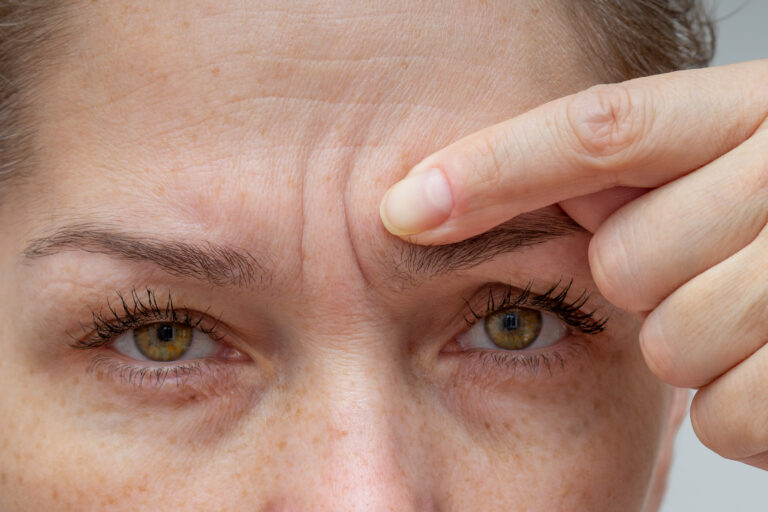
- Deep wrinkles/collagen: Red/NIR light is superior.
- Skin cancer treatment: Blue light is diagnostic (Wood’s lamp) but not therapeutic for melanoma/BCC.
Safety & Side Effects
- Generally safe; transient redness, dryness, or eye strain.
- Contraindications: Porphyria, lupus, photosensitizing drugs.
- Eye protection required for facial treatments.
Bottom line: Blue light therapy is a first-line option for inflammatory acne and actinic keratoses, and a proven tool for SAD and neonatal jaundice. For other uses, consult a dermatologist or sleep specialist for device-specific protocols.
We also offer Professional Red & Blue Light Therapy
See also: Red & Blue Light Therapy Mask Picks
See also: Red Light Therapy Benefits and Uses | The Benefits of At-Home Red, Blue, and Green Light Therapy for Face