Hyaluronic Acid Skin Benefits & Use

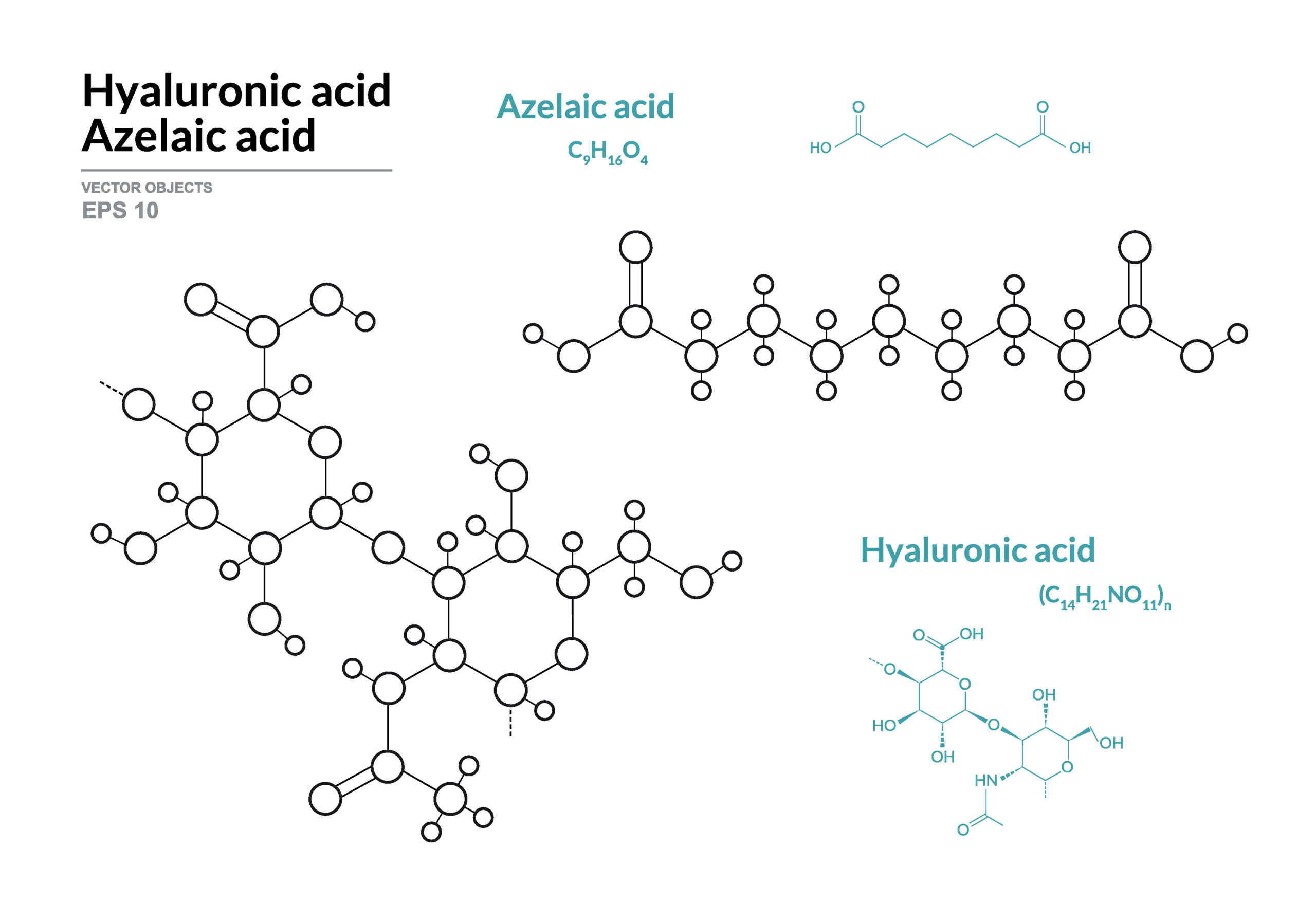
Hyaluronic acid (HA) is a naturally occurring glycosaminoglycan (a gooey, slippery substance) produced by the body, found in high concentrations in the skin (about one-third of the body’s total), eyes, and joints. It acts as a powerful humectant, capable of binding and retaining up to 1,000 times its weight in water—sometimes described as holding 1.5 gallons per quarter-teaspoon—making it a staple in skincare for hydration and anti-aging.
How It Works in Skincare
HA attracts water from deeper skin layers or the environment and holds it in the upper layers (epidermis), plumping the skin, improving elasticity, and reducing the appearance of fine lines and wrinkles. Different molecular weights are used: larger molecules sit on the surface for immediate hydration and a smoothing film, while smaller ones penetrate slightly deeper for longer-lasting effects. As we age, natural HA levels decline, contributing to drier, less elastic skin. Topical application helps replenish this.
It also supports wound healing, reduces inflammation, and can improve skin barrier function when combined with other ingredients like ceramides or antioxidants.
Key Benefits for Skin
- Intense hydration: Quickly boosts moisture levels, making skin look dewier, smoother, and more supple. Visible improvements in hydration can occur within 30 minutes to days.
- Plumps and reduces wrinkles: Hydrated skin makes fine lines and wrinkles less noticeable; long-term use improves elasticity and firmness.
- Soothing and barrier support: Helps calm irritated skin, supports healing, and is ideal for dry, dehydrated, or sensitive skin.
- Anti-aging: Studies show improvements in skin elasticity, tightness, tone, and texture, plus reduced scars or post-procedure recovery.
- Suitable for most skin types: Non-comedogenic (won’t clog pores), lightweight, and works well for oily, combination, dry, or mature skin.
Clinical evidence from reviews and trials supports its effectiveness for hydration, wrinkle reduction, and rejuvenation, often as a well-tolerated topical treatment. Oral supplements show some benefits too, but topical is the primary skincare use.
Forms in Skincare
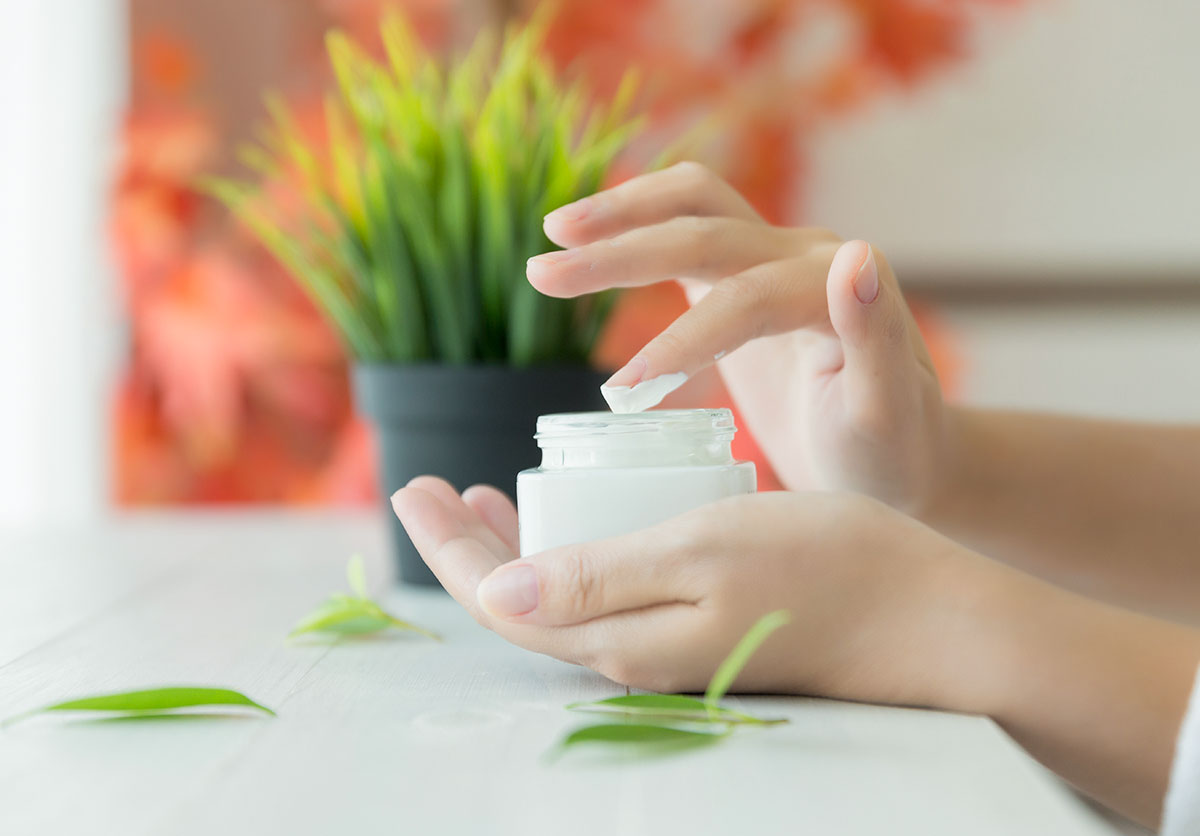
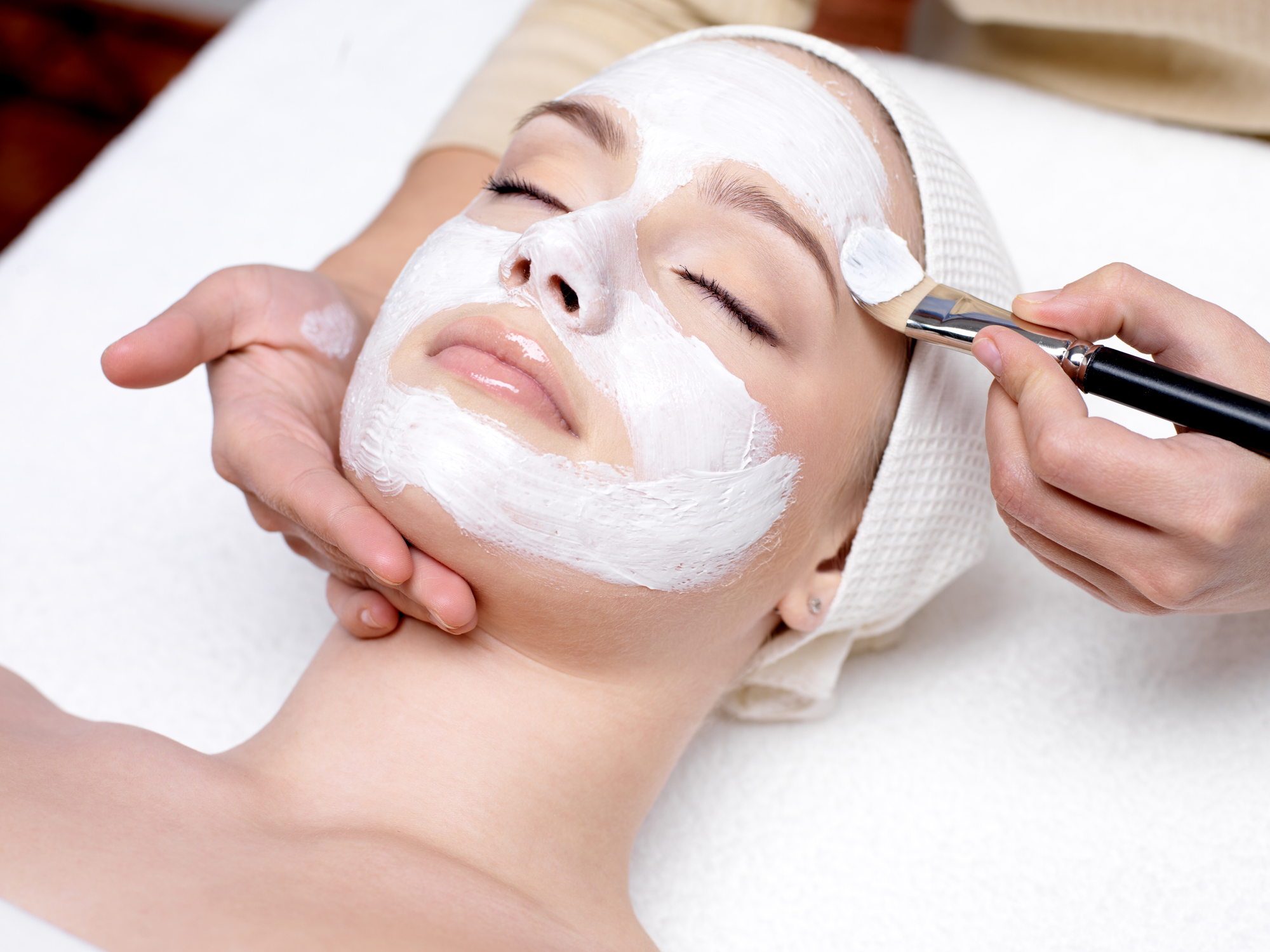
HA appears in serums (most concentrated and popular), moisturizers, creams, gels, masks, toners, and eye creams. Multi-weight or multi-molecular HA formulas (combining different sizes) are increasingly common for layered hydration. Concentrations typically range from 0.5–2%, with 1–2% often most effective.
How to use it:
- Apply to clean, damp skin (after cleansing, while skin is slightly wet) for best absorption—HA works by pulling in available moisture.
- Layer under a moisturizer to seal it in (humectants like HA pair well with occlusives).
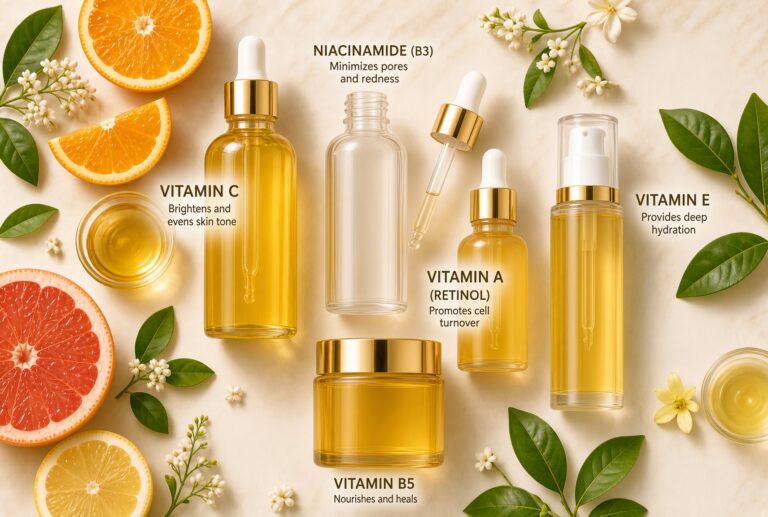
- Use morning and/or night; it’s gentle enough for daily use and compatible with most actives (e.g., vitamin C, niacinamide, retinol).
- Patch test new products, especially if sensitive.
Popular, professional-recommended options include:
- COSRX Hyaluronic Acid 3 Serum or The Ordinary Hyaluronic Acid 2% + B5 (affordable, effective multi-weight).
- CeraVe Hydrating Hyaluronic Acid Serum (with ceramides for barrier repair, great for sensitive skin).
- La Roche-Posay Hyalu B5 or premium ones like SkinCeuticals.
Side Effects and Safety
Topical HA is very safe and well-tolerated for most people, with rare allergic reactions or mild irritation. Since it’s naturally produced by the body, it’s non-irritating and suitable even for sensitive skin. Avoid if you have a specific allergy to a formulation. Injections (fillers) have more risks like swelling or bruising, but that’s not relevant to over-the-counter skincare.
In very dry or low-humidity environments, pure HA might draw moisture from the skin if not followed by a moisturizer—always layer properly.