Microdermabrasion vs Dermaplaning Comparison

Microdermabrasion and dermaplaning are both popular, non-invasive professional exfoliation treatments that remove dead skin cells to reveal smoother, brighter skin. They differ significantly in method, depth, additional benefits, and ideal uses.
| Aspect | Microdermabrasion | Dermaplaning |
|---|---|---|
| Method | Mechanical device sprays fine crystals (or uses diamond tip) + suction to abrade and vacuum dead skin/debris | Manual surgical scalpel (at ~45° angle) scrapes off top layer of dead skin + vellus hair (“peach fuzz”) |
| Depth | Slightly deeper physical exfoliation | Gentler, superficial exfoliation |
| Duration | 30–40 minutes (face) | 30–45 minutes |
| Downtime | Minimal (possible mild redness/swelling) | Minimal to none; immediate glow |
| Frequency | Every 4–6 weeks for maintenance | Every 3–4 weeks |
| Hair Removal | None | Removes fine facial hair (peach fuzz) |
| Best For | Texture, pores, mild acne, scars, pigmentation, fine lines | Smoothness, dullness, peach fuzz, makeup application, sensitive skin |
What is Microdermabrasion?
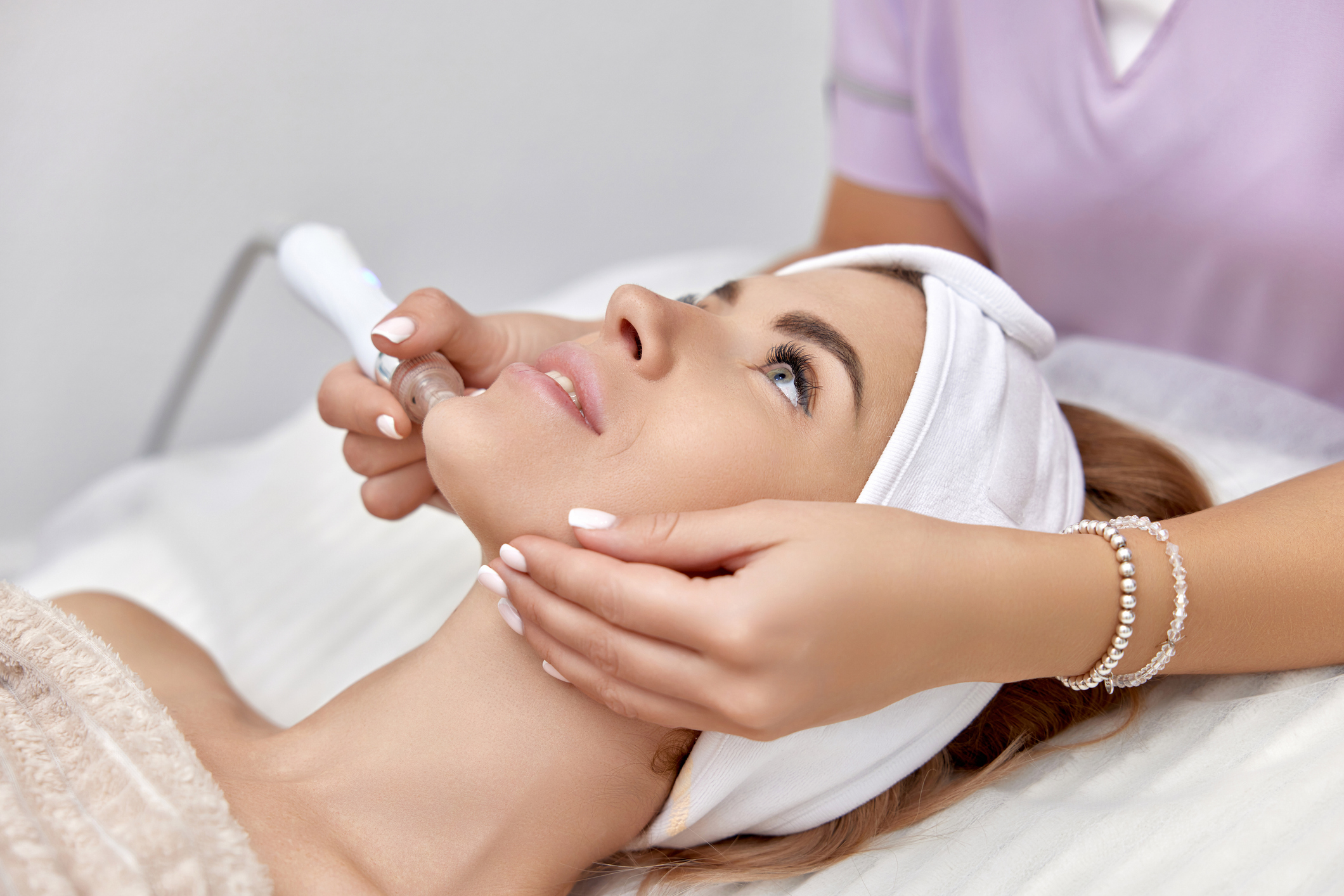
It uses a handheld wand to deliver tiny crystals (like aluminum oxide) or a diamond tip while applying suction. This sands away the outermost layer of skin (stratum corneum), cleans pores, and stimulates collagen production.
Benefits:
- Improves uneven texture, fine lines, wrinkles, acne scars, hyperpigmentation, and sun damage.
- Clears congested pores and reduces mild acne.
- Boosts collagen for firmer skin over time.
- Good for overall rejuvenation.
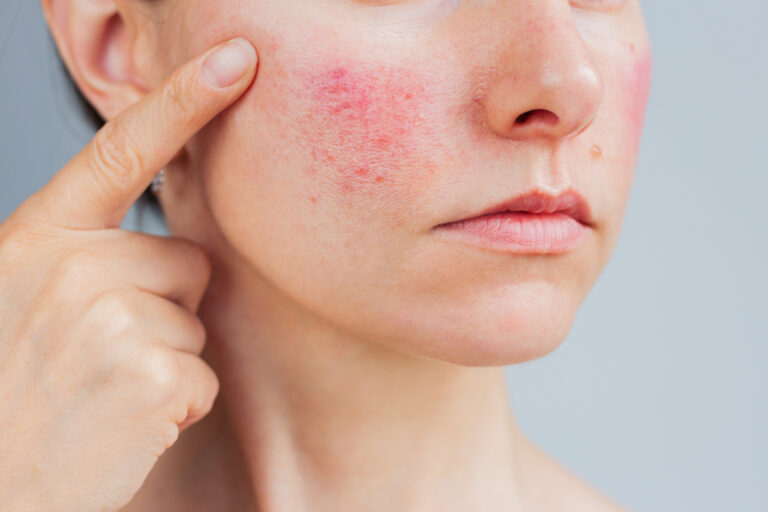
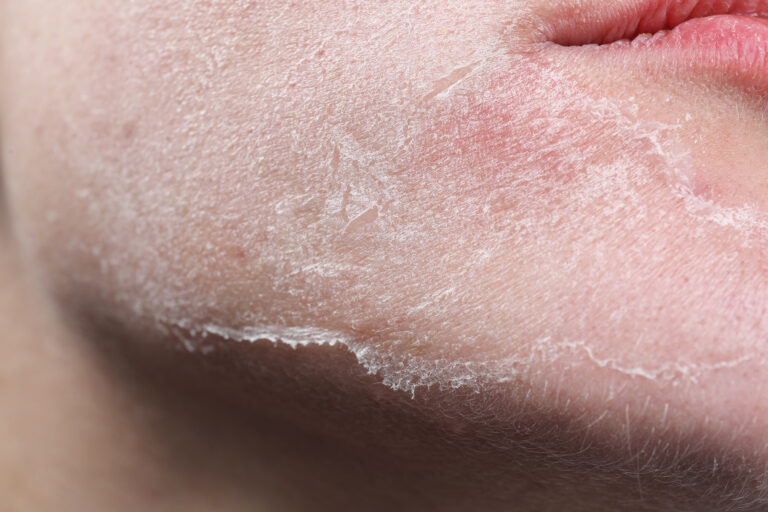
Risks/Side Effects: Temporary redness, dryness, flaking, sensitivity to sun, or mild bruising from suction. Rare risks include infection or pigmentation changes if not done properly. Not ideal for very sensitive skin, active acne, rosacea, eczema, or broken skin.
What is Dermaplaning?
A trained professional uses a sterile surgical blade to gently “shave” the surface, removing dead cells and fine vellus hair. It does not use abrasion or suction.
Benefits:
- Instantly smoother, brighter skin with a “glow.”
- Removes peach fuzz, which can make makeup apply better and reduce the look of clogged pores.
- Improves fine lines, dullness, and mild texture issues.
- Enhances absorption of skincare products.
- Gentler option overall.
Risks/Side Effects: Very low—possible mild redness, dryness, or sensitivity. Rare: nicks/cuts (if skin is not taut), irritation, or infection if not sterile. Avoid with active acne, inflammation, or very thin/sensitive skin. Safe for most skin types, including sensitive.
Key Differences and Which to Choose
Exfoliation Style: Microdermabrasion is more abrasive/mechanical with suction (better for deeper cleansing and collagen stimulation). Dermaplaning is a precise manual scrape (gentler, immediate smoothness + hair removal).
Hair: Dermaplaning removes peach fuzz; microdermabrasion does not.
Skin Concerns:
- Choose microdermabrasion for acne-prone/congested skin, scars, pigmentation, or wrinkles.
- Choose dermaplaning for sensitive skin, dullness, or wanting instant radiance and fuzz-free skin.
- Downtime & Sensitivity: Dermaplaning often has less redness and is preferred before events or for sensitive/pregnant skin.
- Many people combine them for optimal results (e.g., dermaplaning first, then microdermabrasion in separate sessions).
Neither is “better”—it depends on your skin type, concerns, and goals. Consult a dermatologist or licensed esthetician for personalized advice, especially if you have skin conditions. Always use sunscreen afterward, as both increase sun sensitivity.
For additional information and pricing, check out our Dermaplaning & Micro-dermabrasion pages.