Ceramides: Skin Barrier & Hydration Essentials

Ceramides are natural lipids (fats) that make up about 50% of the skin’s outer layer (stratum corneum) lipids, forming a critical part of the skin barrier.
They act like the “mortar” or “grout” between skin cells (the “bricks”), helping to hold everything together, lock in moisture, and keep out irritants, pollutants, bacteria, and allergens.
Why Ceramides Matter in Skincare
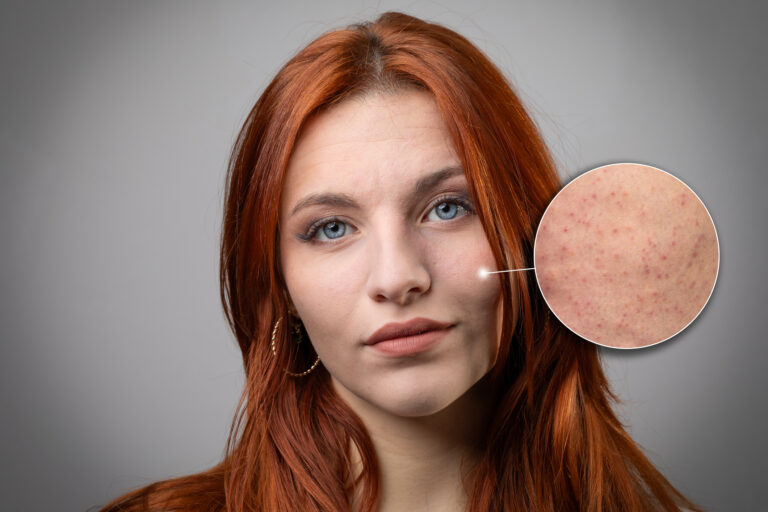
As we age, with environmental damage, harsh skincare routines, or conditions like eczema or psoriasis, natural ceramide levels decline. This leads to a weakened barrier, increased water loss (transepidermal water loss), dryness, irritation, roughness, and faster visible aging (fine lines, dullness).
Topical ceramides (synthetic or plant-derived, often called pseudoceramides) replenish these levels, restoring the barrier, improving hydration, and supporting overall skin health. They are especially beneficial for dry, sensitive, mature, or compromised skin but work for all skin types.
Key benefits include:
- Strengthening the skin barrier — Reduces irritation and protects against environmental stressors.
- Locking in moisture — Prevents dryness and improves hydration and plumpness.
- Reducing signs of aging — Helps maintain suppleness and minimize fine lines/wrinkles by retaining moisture.
- Calming inflammation and irritation — Helpful for eczema (atopic dermatitis), psoriasis, and dryness; often used medically for barrier repair.
- Complementing other treatments — Makes skin more tolerant to actives like retinoids, AHAs/BHAs, or acne treatments (e.g., benzoyl peroxide) by countering dryness they can cause.
Studies show ceramide-containing moisturizers improve hydration, barrier function, and skin appearance, with benefits visible in weeks of consistent use.
Types and Sources
Skin has multiple ceramide types (e.g., ceramide 1, 3, 6-II or NP, AP, EOP). Skincare products often include a blend of 3 essential ones to mimic the skin’s natural composition (common in CeraVe, for example).
They can be derived from plants (phytoceramides), animals, or synthesized. Oral supplements exist and show modest hydration benefits, but topical application is more direct and effective for the skin barrier.
How to Use Ceramides in Your Routine
Ceramides are gentle and compatible with most ingredients (hyaluronic acid, niacinamide, peptides, antioxidants). Use them morning and/or night.
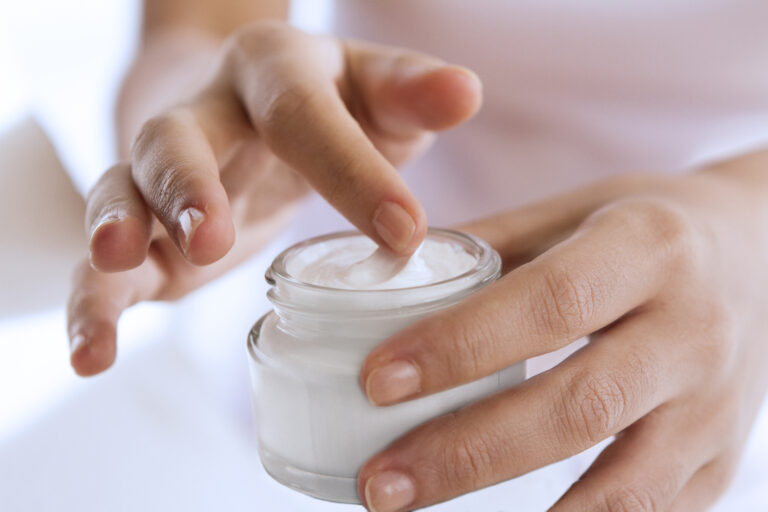
- Best formats: Moisturizers/creams (most common), serums, cleansers, toners, or masks. Apply to damp skin for better absorption after cleansing.
- Layering tips: After cleansing/toning/serums (e.g., hyaluronic acid for hydration, then ceramides to seal it in). Pair with SPF in the morning. Use after exfoliation or actives to repair.
- Frequency: Daily for maintenance; more for dry/irritated skin.
- Who benefits most: Dry, dehydrated, sensitive, mature, or eczema-prone skin. Also great during winter, after sun exposure, or with retinoid use.
They are safe for all ages and skin types, with no known major side effects or restrictions in cosmetics. Rare irritation is possible if combined with other harsh ingredients, but they’re generally non-irritating.
Popular Products
Look for products listing multiple ceramides (e.g., Ceramide NP, AP, EOP) plus cholesterol and fatty acids for optimal barrier repair. Popular options include:
- Drugstore/affordable: CeraVe Moisturizing Cream or PM Facial Moisturizing Lotion (widely recommended for barrier repair).
- Mid-range/premium: Dr. Jart+ Ceramidin Cream, La Roche-Posay Toleriane Double Repair, SkinCeuticals Triple Lipid Restore.
- Others: The Ordinary Natural Moisturizing Factors + HA, Aestura Atobarrier, or various K-beauty options.
Choose based on texture (lighter lotions/serums for oily/combo skin; richer creams for dry).
Ceramides are a foundational, evidence-backed ingredient rather than a trendy one. Consistent use leads to stronger, more resilient, hydrated skin.