Sensitive Skin Care Guide

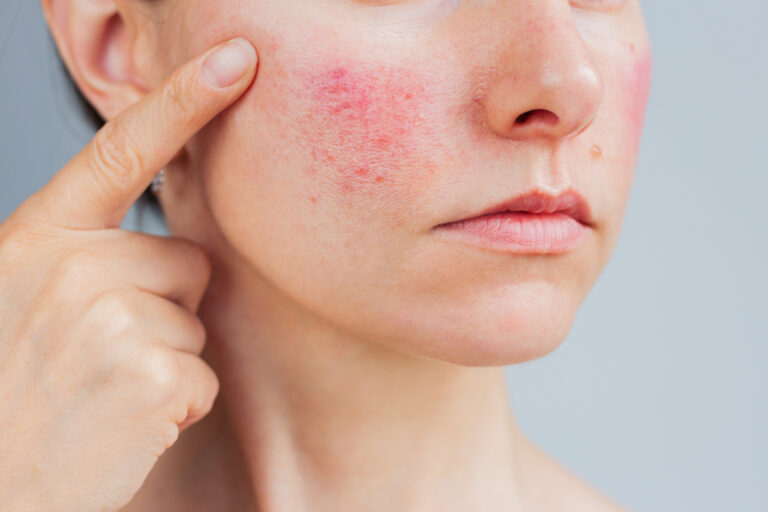
Sensitive skin is a common condition where your skin reacts more easily to products, weather, or environmental factors. It often feels tight, itchy, red, stinging, or burns easily, and can be prone to dryness, redness (rosacea-like), or breakouts.
Common Signs of Sensitive Skin
- Quick reactions to new skincare, makeup, or soaps
- Redness or flushing after washing or in wind/cold
- Dry, flaky patches
- Itching or burning sensation
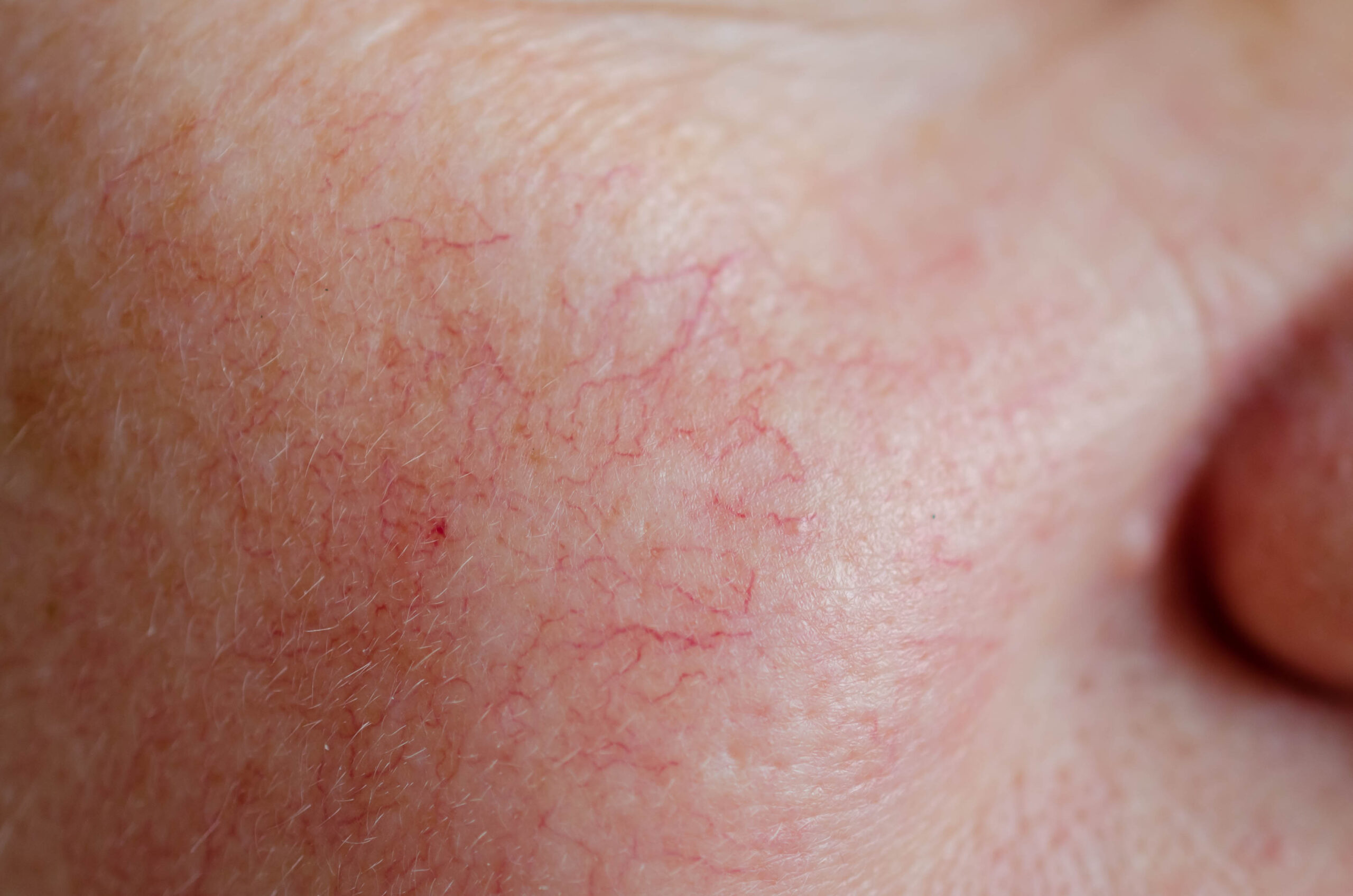
- Visible blood vessels or easy irritation
It can be genetic, triggered by conditions like eczema, rosacea, or allergies, or worsened by over-exfoliating, harsh climates, pollution, or stress.
Ingredients to Avoid
These are frequent irritants for sensitive skin:
- Fragrance (even “natural” ones)
- Alcohol (denatured/SD alcohol)
- Essential oils (especially citrus, peppermint, tea tree in high amounts)
- Strong acids (high % AHAs like glycolic, BHAs like salicylic if not tolerated)
- Sulfates (SLS/SLES in cleansers)
- Retinoids (start very slow/low strength if using)
- Parabens (for some people)
Gentle Skincare Routine Basics (Minimalist Approach)
- Cleanser: Cream or milky, non-foaming. Look for “for sensitive skin” or hydrating formulas (e.g., with ceramides, glycerin).
- Moisturizer: Thick cream with barrier-repairing ingredients like ceramides, cholesterol, fatty acids, hyaluronic acid, niacinamide (5% or lower), centella, or colloidal oatmeal.
- Sunscreen: Mineral (zinc oxide/titanium dioxide) preferred over chemical filters. Look for “sensitive skin” or “tinted” versions that don’t leave white cast.
- Extras (introduce one at a time): Gentle exfoliant like lactic acid (low %), soothing serums with aloe or green tea.
Patch test everything new on your inner arm for 3–7 days.
Recommended Ingredients That Usually Help
- Ceramides — restore skin barrier
- Niacinamide — calms inflammation, strengthens barrier
- Centella asiatica (cica) — soothing
- Panthenol (B5) — hydrating and healing
- Allantoin and bisabolol — anti-irritant
- Oat extract — anti-itch
Popular Gentle Brands/Products (2025–2026 favorites)
Many people with sensitive skin love:
- CeraVe — Hydrating Cleanser, PM Facial Moisturizing Lotion (affordable drugstore staple)
- La Roche-Posay — Toleriane line, Cicaplast Baume B5
- Avène — Cicalfate or Tolerance Control
- Vanicream — Extremely minimal, fragrance-free
- The Ordinary — Soothing & Barrier Support Serum, Natural Moisturizing Factors
- Dr. Jart+ — Ceramidin creams
- Skinfix or Eucerin for very dry sensitive skin
For rosacea-type sensitivity: look for azelaic acid (The Ordinary or prescription Finacea).
Lifestyle Tips
- Lukewarm water only (hot water strips skin)
- Pat dry, don’t rub
- Use a humidifier in dry weather
- Avoid physical scrubs and double cleansing if reactive
- Wear silk or soft cotton against skin
- Diet: some find reducing spicy food/alcohol helps flushing
Quick starter routine suggestion:
Morning: Gentle cleanser → Hydrating serum/moisturizer → Mineral sunscreen
Night: Gentle cleanser → Moisturizer (maybe with niacinamide or centella)
When to See a Professional
If over-the-counter isn’t enough, see a professional. They can test for allergies, prescribe barrier creams, low-dose steroids short-term, or treat underlying issues like rosacea/eczema.
Living with sensitive skin doesn’t mean you’re doomed to constant redness, tightness, or irritation. With patience, consistency, and a gentle, barrier-focused approach, most people see significant improvement and enjoy calmer, more resilient skin over time. The foundation is simple: strip back to the essentials, prioritize repair over perfection, and treat your skin with the kindness it needs rather than the latest trending actives.
Remember that sensitive skin thrives on minimalism—fewer products, fewer ingredients, and more protection. By consistently using fragrance-free, non-irritating cleansers, ceramide-rich moisturizers, soothing actives like niacinamide and centella, and reliable mineral sunscreen, you’re not just managing symptoms—you’re rebuilding your skin’s natural defenses. Triggers will still appear (weather, stress, hormones), but your skin will bounce back faster and react less dramatically.
The most important lesson? Listen to your skin. What works today might need slight adjustments tomorrow, and that’s okay. Progress is measured in fewer flare-ups, less redness, and that comfortable “my skin feels like mine again” feeling rather than dramatic overnight transformations.
Sensitive skin can become strong, healthy, and radiant skin. It just requires working with it instead of fighting against it. Be consistent, be gentle with yourself and your routine, and celebrate the small wins along the way. Your skin is worth the care.