Reactive Skin Care: Barrier Repair Guide

Reactive skin (also called hypersensitive or intolerant skin) is skin that overreacts quickly and intensely to triggers that most people tolerate without issue.
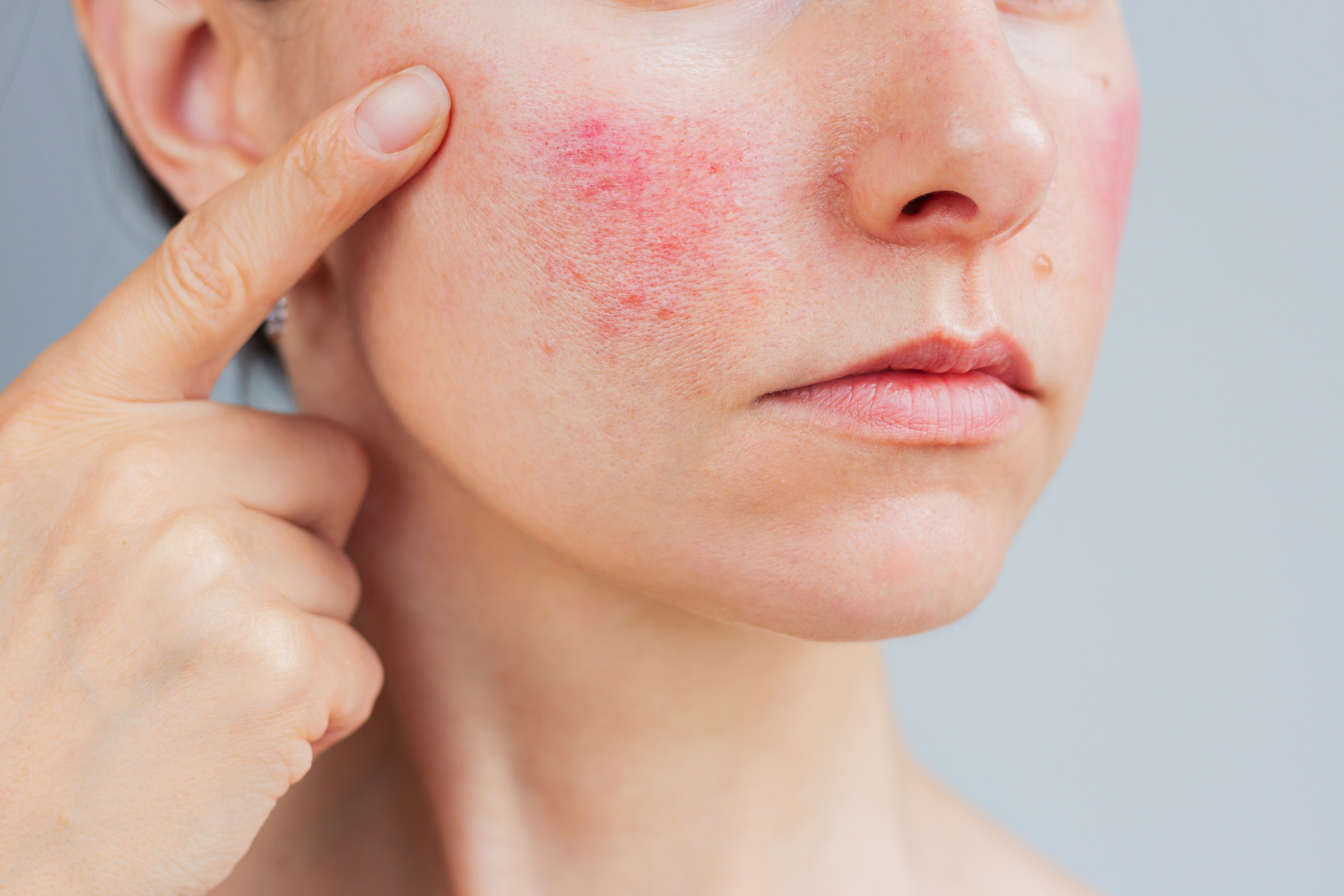
It often overlaps with sensitive skin but is typically more temporary and trigger-specific. Sensitive skin tends to be a more chronic baseline state of discomfort (stinging, tightness, dryness), while reactive skin usually feels normal until something sets it off, then shows sudden redness, flushing, burning, stinging, or irritation that settles once the trigger is removed.
Common Symptoms
- Redness or flushing
- Stinging, burning, itching, or tingling
- Dryness, tightness, or flaking
- Bumps, mild swelling, or contact dermatitis-like reactions
- Sometimes only sensations without much visible change
Typical Triggers
- Skincare ingredients (fragrances, essential oils, alcohols, harsh surfactants, strong acids/retinoids, preservatives)
- Over-exfoliation or too many actives at once
- Temperature changes, wind, heat, cold, or pollution
- Stress, hormones, spicy foods, or alcohol
- Certain fabrics, detergents, or hard water
A compromised skin barrier is usually the root issue—once the barrier is weakened, irritants penetrate more easily and the skin becomes hyper-reactive.
How to Care for Reactive Skin
Focus on calming, simplifying, and repairing the barrier:
- Strip the routine back — Use the fewest products possible (gentle cleanser + moisturizer + sunscreen). Pause actives (retinoids, strong AHAs/BHAs, vitamin C, etc.) until skin stabilizes (often 2–6+ weeks).
Key supportive ingredients:
- Ceramides, cholesterol, and fatty acids (barrier lipids)
- Niacinamide (calms and supports barrier)
- Panthenol (vitamin B5)
- Centella asiatica / madecassoside / cica
- Colloidal oatmeal, beta-glucan, or ectoin
- Hyaluronic acid or glycerin for hydration without irritation
Practical habits:
- Lukewarm (not hot) water; short showers
- Fragrance-free, hypoallergenic, minimal-ingredient products
- Pat dry gently; apply moisturizer to slightly damp skin
- Daily mineral or gentle chemical sunscreen
- Avoid scrubbing, washcloths, or layering multiple new products
Popular, well-tolerated options often recommended for reactive/barrier-compromised skin include ceramide-rich creams (e.g., CeraVe, La Roche-Posay Cicaplast Baume B5, similar barrier-repair formulas), gentle non-foaming cleansers, and centella or panthenol serums. For more see our full article: Top Rated & Bestselling Reactive Skin Products.
When to See a Professional
See a professional if reactions are severe, persistent, spreading, blistering, or accompanied by other symptoms. Patch testing can identify specific allergens if contact allergy is suspected. Underlying conditions (rosacea, eczema, etc.) can look similar and need targeted treatment.
Top spa treatments for reactive skin focus on calming inflammation, repairing the skin barrier, hydrating without irritation, and avoiding common triggers like heat, harsh exfoliation, fragrance, and aggressive actives. Reactive skin (often overlapping with sensitive, rosacea-prone, or compromised-barrier skin) benefits most from customized, low-stimulation protocols. Always consult a dermatologist or experienced esthetician, disclose your full skin history, and request modifications (no steam, lower intensity, calming serums only). Patch testing and starting gently are wise.
Top Recommended Treatments
Here are some of the most consistently recommended professional options, ranked roughly from gentlest to more active (when appropriately customized):
1. LED Light Therapy (especially red and yellow/amber wavelengths)
One of the safest and most effective choices. Non-contact, no chemicals, and actively anti-inflammatory. Red light helps calm redness, support barrier repair, and boost cellular energy/collagen; yellow light is particularly soothing for flushing and reactivity. Often used alone or as an add-on. Zero downtime and suitable even during mild flares for many people.
2. Dedicated Calming/Barrier-Repair or Redness-Relief Facials
Custom protocols designed for hypersensitive or rosacea-prone skin. These typically include gentle cleansing, calming serums (centella/cica, niacinamide, ceramides, hyaluronic acid, oat extract, aloe), anti-inflammatory masks, and barrier-supporting moisturizers—often without steam, aggressive massage, or strong exfoliation.
- Notable example: Repêchage Red-Out Facial — Uses seaweed extracts, silver, mirabilis jalapa, and bioflavonoids specifically for hypersensitive, irritated, and rosacea-prone skin. Plastic-surgeon approved and dermatologist-tested; focuses on reducing visible redness while nurturing the barrier. Other spas offer similar “sensitive skin,” “redness relief,” or “restorative calming” facials with comparable ingredients.
3. Oxygen Facial / Oxygen Infusion
Pressurized oxygen delivers hydrating and soothing serums deep into the skin. Non-irritating, provides instant plumpness and glow with very low risk of reaction. Excellent for dehydrated, reactive complexions seeking radiance without stimulation.
4. Modified HydraFacial (Sensitive Protocol)
Highly customizable: lower suction, gentler or skipped acid/peel step, calming/hydrating serums only, and optional red LED. Provides cleansing, light extraction, and infusion without harsh manual work. Skip or heavily modify if skin is actively flared. Many providers successfully adapt it for reactive skin when the focus shifts to hydration and barrier support.
5. Enzyme Facials or Very Mild Custom Peels
Enzymes (e.g., from fruit or pumpkin) offer gentle, non-abrasive exfoliation that is generally better tolerated than strong acids or physical scrubs. Mild lactic or mandelic acid peels (low concentration, short contact, few layers) can also work when carefully adjusted by an experienced provider. Avoid glycolic, high-strength, or multi-acid peels during reactivity.
6. Other Supportive Options
Cryo or cooling facials — Cold therapy helps reduce redness and inflammation.
Lymphatic drainage or gentle facial massage (no heat or pressure that triggers flushing).
In some medical spa settings: carefully calibrated low-energy light devices or very gentle microneedling (only when skin is stable and by an experienced clinician).
Key Ingredients & Approaches That Help
Look for treatments featuring: ceramides, niacinamide, centella asiatica (cica), hyaluronic acid, colloidal oatmeal, aloe, panthenol, silver (in some professional lines), and anti-inflammatory botanicals. Barrier repair and microbiome support are priorities over aggressive correction.
What to Avoid or Request Modifications For
- Steam, extreme heat, or prolonged saunas
- Aggressive physical scrubs, microdermabrasion, or strong chemical peels
High-concentration acids, retinoids, or fragrance-heavy products during the treatment - Aggressive extractions or intense suction
- Treatments during active flares, open irritation, or severe eczema/psoriasis patches (seek medical clearance first)
Practical Tips
- Book a consultation first and ask specifically for a “sensitive/reactive skin protocol.”
- Prepare by pausing strong actives (retinoids, AHAs/BHAs) several days beforehand.
- Aftercare: Keep it simple—gentle cleanser, barrier cream, mineral SPF; avoid heat, exercise that causes flushing, and actives for 24–48+ hours.
- Frequency: Often every 4–6 weeks once skin is stable; more frequent gentle LED sessions can be helpful for maintenance.
- Combine professional care with a minimalist at-home routine focused on barrier support for best long-term results.
Results vary by individual triggers and severity. Reactive skin often improves with consistent barrier-focused care rather than intensive “fixing.” If redness, burning, or sensitivity is significant or persistent, a dermatologist evaluation (to rule out rosacea, contact dermatitis, etc.) is recommended before or alongside spa treatments.
If this relates to a recent product reaction, over-exfoliation, or ongoing sensitivity with your usual concerns (acne-prone/combination skin), simplifying and focusing on barrier support is usually the fastest way to calm things down.