Inflammatory Acne Treatment Guide

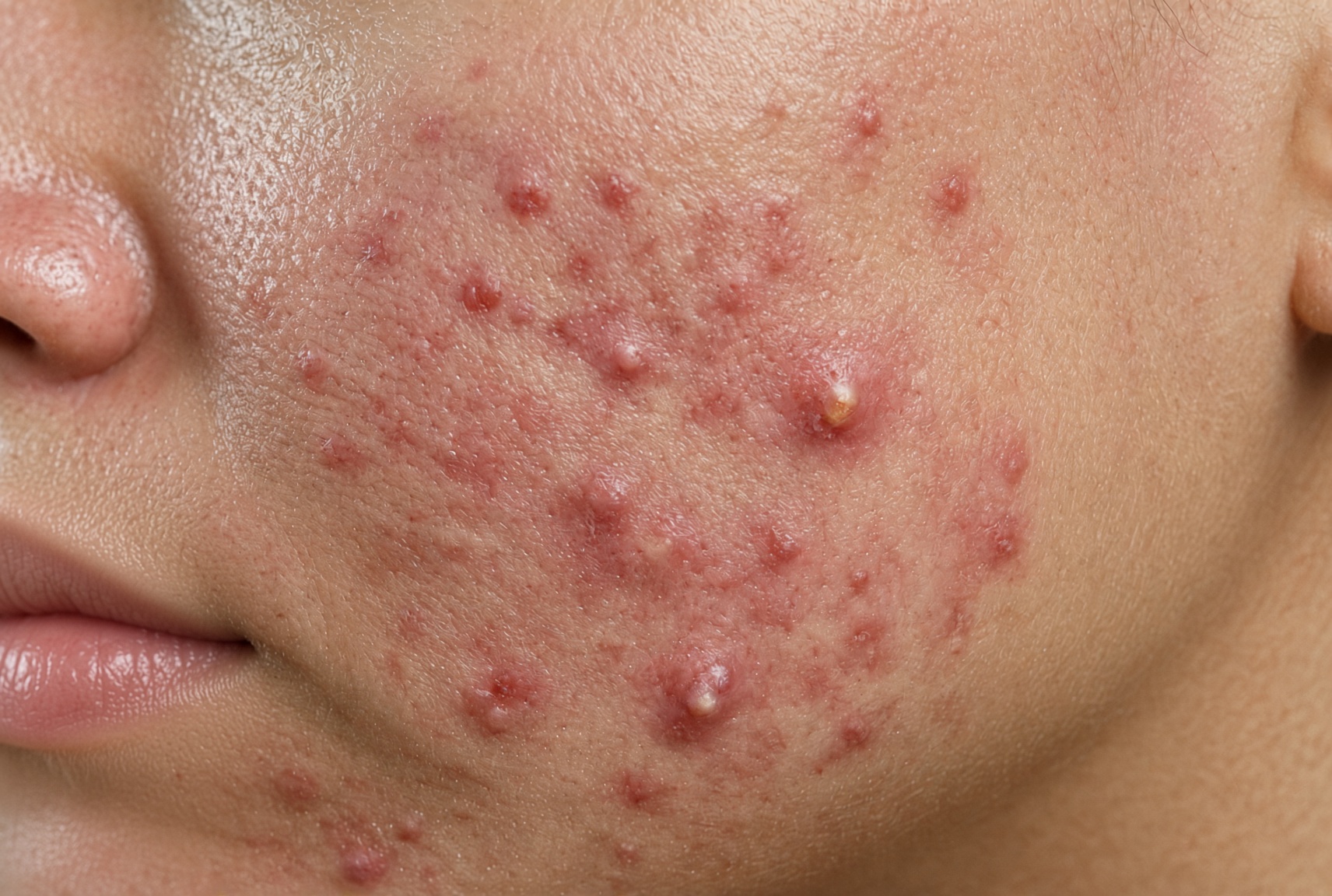
Inflammatory acne is the red, swollen, often tender form of acne — papules, pustules, nodules, and cysts — as opposed to non-inflammatory comedones (blackheads and whiteheads).
It starts when a follicle clogs with sebum and dead skin cells. Cutibacterium acnes multiplies, the follicle wall can rupture, and the immune system responds with inflammation. Androgens drive excess oil; genetics, hormones, high-glycemic diet, stress, and picking all worsen it. Modern research shows low-grade inflammation is present even before a lesion looks “inflammatory.”
Lesion types
- Papules — small, firm, red bumps without a pus head
- Pustules — red bumps with a white or yellow pus center
- Nodules — large, hard, painful lumps deep under the skin
- Cysts — deeper, softer, fluid-filled lesions that scar easily
Nodules and cysts carry the highest scarring and post-inflammatory hyperpigmentation risk.
Treatment approach
Match intensity to severity. Combination therapy works better than single agents.
First-line topicals (mild–moderate)
- Benzoyl peroxide (kills C. acnes, reduces resistance when used with antibiotics)
- Retinoids: adapalene (OTC), tretinoin, tazarotene, trifarotene — unclog pores and have anti-inflammatory effects
- Azelaic acid — antimicrobial + anti-inflammatory, useful for pigmentation
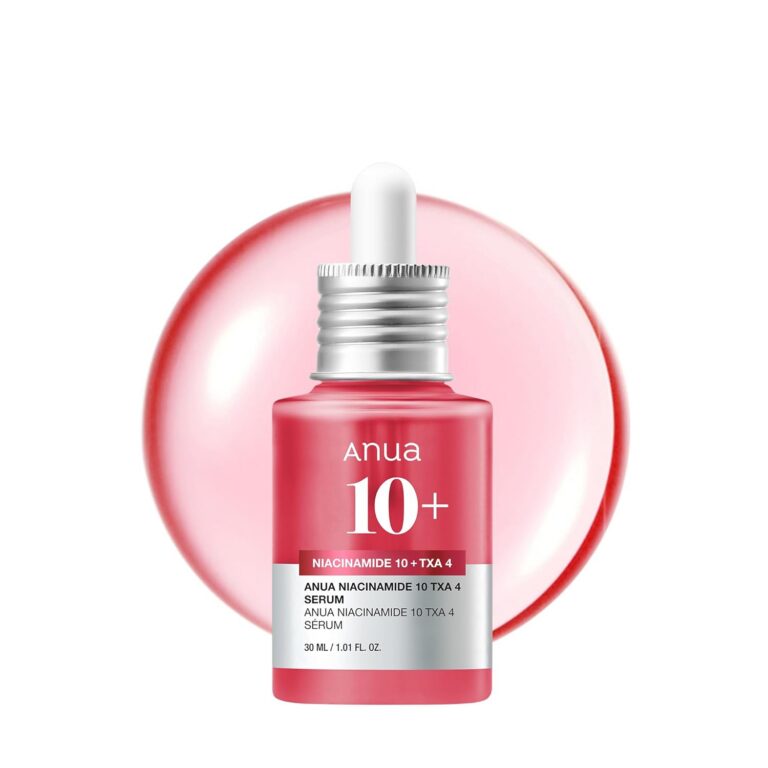
- Niacinamide — calms inflammation and helps barrier
- Clascoterone 1% (Winlevi) — topical androgen-receptor blocker that reduces sebum and inflammation; usable in both men and women
Fixed combinations (retinoid + BPO, or BPO + antibiotic) improve adherence. Always pair topical antibiotics with BPO.
Oral options (moderate–severe or widespread)
- Doxycycline or sarecycline (narrow-spectrum, less gut disruption) for limited courses, always with topical BPO
- Hormonal: combined oral contraceptives or spironolactone in appropriate women
- Isotretinoin for severe nodulocystic, scarring, or treatment-resistant acne — still the only therapy that reliably produces long-term clearance
Intralesional corticosteroid injections can rapidly flatten large, painful cysts and reduce scarring risk.
Top-rated and bestselling products for inflammatory acne (red, swollen papules, pustules, and cysts) consistently feature benzoyl peroxide, adapalene, niacinamide, azelaic acid, and hydrocolloid patches. These address bacteria, inflammation, clogged pores, and picking.
The Ordinary Niacinamide 10% + Zinc 1%
Often ranks #1 by monthly units (~100K). Lightweight serum that reduces redness, oil, and blemishes while supporting the barrier. ~$6, 4.7 stars from 60K+ reviews. Use after cleansing.
Hero Cosmetics Mighty Patch (Original Nighttime or Invisible+)
Hydrocolloid patches that flatten whiteheads and inflamed spots overnight while preventing picking. Frequently #2 with ~100K units/month, 4.6–4.8 stars, huge review volume. Affordable multi-packs.
PanOxyl 10% (or 4%) Benzoyl Peroxide Foaming Wash
Maximum-strength antibacterial cleanser for face and body. Kills C. acnes bacteria that drive inflammatory lesions. Very high sales (often 100K+ bought in recent months), 4.6 stars. Can be drying—follow with moisturizer. Also available as CeraVe 4% BP foaming cream cleanser for a gentler option with ceramides.
Professional-favorite treatments
OTC retinoid that normalizes cell turnover, unclogs pores, and reduces inflammation at the source. Strong ratings (4.6), frequently recommended for inflammatory and hormonal acne. Start 2–3 nights per week. Pump versions available.
Good Molecules 10% Azelaic Acid Treatment
Budget azelaic acid (~$12) that calms redness and inflammation, evens tone, and helps post-acne marks. Recent shopper favorite with strong reviews for inflammatory and hormonal breakouts.
Paula’s Choice 2% BHA Liquid Exfoliant
Salicylic acid leave-on that penetrates pores and reduces inflammation. High ratings and consistent bestseller status among acne-prone users.
Other strong performers
- COSRX or Rael hydrocolloid pimple patches (multi-size packs, high review counts).
- Proactiv 3-step kits (benzoyl peroxide-based, still high volume).
- Sulfur spot treatments or masks for extra anti-inflammatory/oil-absorbing action.
Pair any of these with a gentle, non-comedogenic moisturizer and daily SPF. Consistency over 6–12 weeks matters more than any single product.
Spa treatments can support mild-to-moderate inflammatory acne (papules and pustules). They are adjuncts, not a replacement for a medical plan when lesions are nodular or cystic. The useful treatments calm bacteria and inflammation without grinding or stretching already-inflamed follicles.
Best spa-level options
This is the safest, most evidence-backed add-on for red, tender breakouts. Blue light (~415 nm) targets C. acnes via porphyrins. Red light (~630–660 nm) reduces inflammation and supports healing. Combination protocols perform best. Results come from a series (often 2–3× weekly for 4–8+ weeks), not one session. Easy to add at the end of a facial with no downtime.
2. High-frequency
The glass electrode ozonates the surface, which can reduce bacteria and help a pustule settle. Best used as a short spot or full-face pass after cleansing, not as a standalone “cure.” Well tolerated on inflamed skin when the skin is not already raw.
3. Conservative chemical peels (salicylic or mandelic)
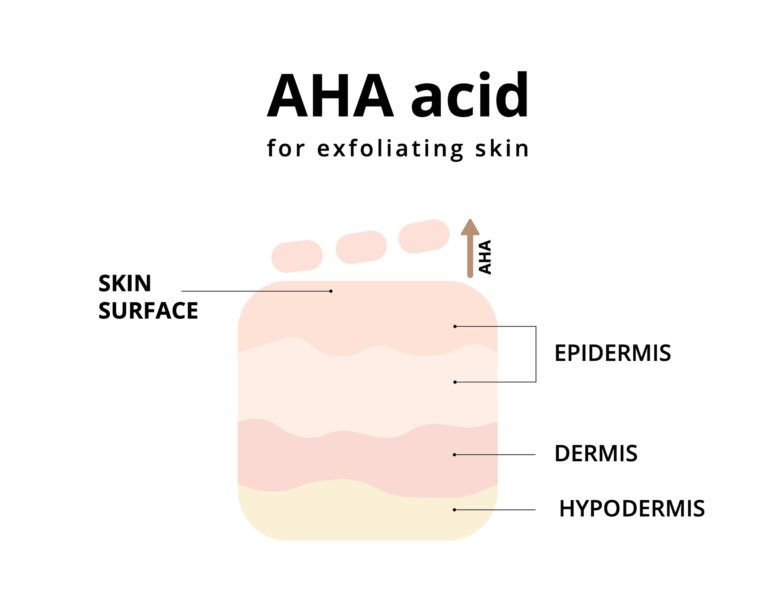
Salicylic acid is oil-soluble, so it works inside the follicle and has mild anti-inflammatory activity. Mandelic is gentler and often better for darker skin or reactive barriers. Strength should stay superficial. Aggressive glycolic or TCA on a face full of papules/pustules often flares redness and PIH. Jessner’s and mid-depth TCA are higher-risk for pigment, especially in skin of color.
4. A true acne facial (not a glow facial)
A good protocol looks like:
- Gentle cleanse
- Brief, mild steam only if congestion needs it
- Extractions only of mature comedones — skip red papules, pustules, nodules, and cysts
- Calming actives: niacinamide, azelaic, centella, tea tree in measured amounts
- High-frequency and/or LED
- Non-comedogenic, barrier-supportive finish + SPF
The goal is decongestion + calm, not “get everything out.” Extracting inflamed lesions ruptures the follicle and increases scarring.
5. HydraFacial-style hydradermabrasion with acne boosters
Useful for oily, congested skin with some inflammatory lesions if suction and serums stay conservative (salicylic, antibacterial, anti-inflammatory boosters). Aggressive vacuum on hot, swollen papules can worsen them. Better as maintenance between medical treatments than as the primary fix for a flare.
6. Barrier-repair / “calm first” facial
When the client is over-exfoliated, stinging, or on retinoids/BPO, skip acids and extractions. Focus on soothing masks, LED (red more than blue if the barrier is compromised), and barrier lipids. Inflamed acne often looks worse because the barrier is wrecked.
What to skip for inflammatory acne
- Microdermabrasion and grainy scrubs
- Deep tissue or lymphatic massage over active lesions
- Hot, prolonged steam
- Heavy oil or occlusive “luxury” masks
- Extracting cysts and nodules (esthetic scope + scarring risk)
- Stacking strong peels on already irritated, peeling skin
Medical-spa upgrades (when available)
These sit above a classic spa menu: photodynamic therapy, certain IPL protocols, 1726-nm sebaceous-targeting lasers, and RF microneedling. They can reduce inflammatory lesions more than a standard facial, but they belong in a supervised medical plan, especially if scarring is already forming.
How to position a series
Inflammatory acne responds to consistency: monthly acne facials plus weekly or biweekly LED, paired with home BPO/retinoid/azelaic and daily SPF. Refer out if lesions are deep, painful, scarring, or not improving after several well-executed sessions — that is prescription or injection territory, not another extraction appointment.