Cystic Acne: Causes, Symptoms & Treatments

Cystic acne is the most severe form of acne vulgaris. It involves deep, painful, inflamed cysts or nodules that form under the skin, often leading to scarring if untreated.
Unlike surface pimples or whiteheads, cystic acne develops deep in the dermis when pores clog with excess oil (sebum), dead skin cells, and bacteria (Cutibacterium acnes), triggering a strong inflammatory response.
What It Looks Like
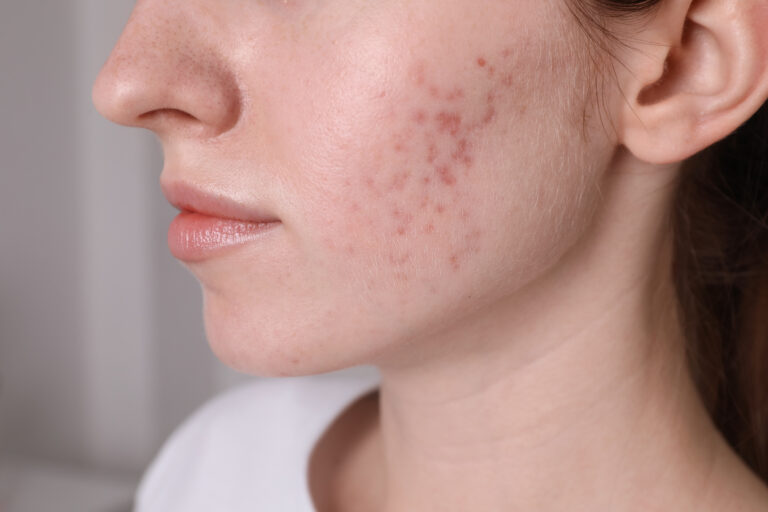
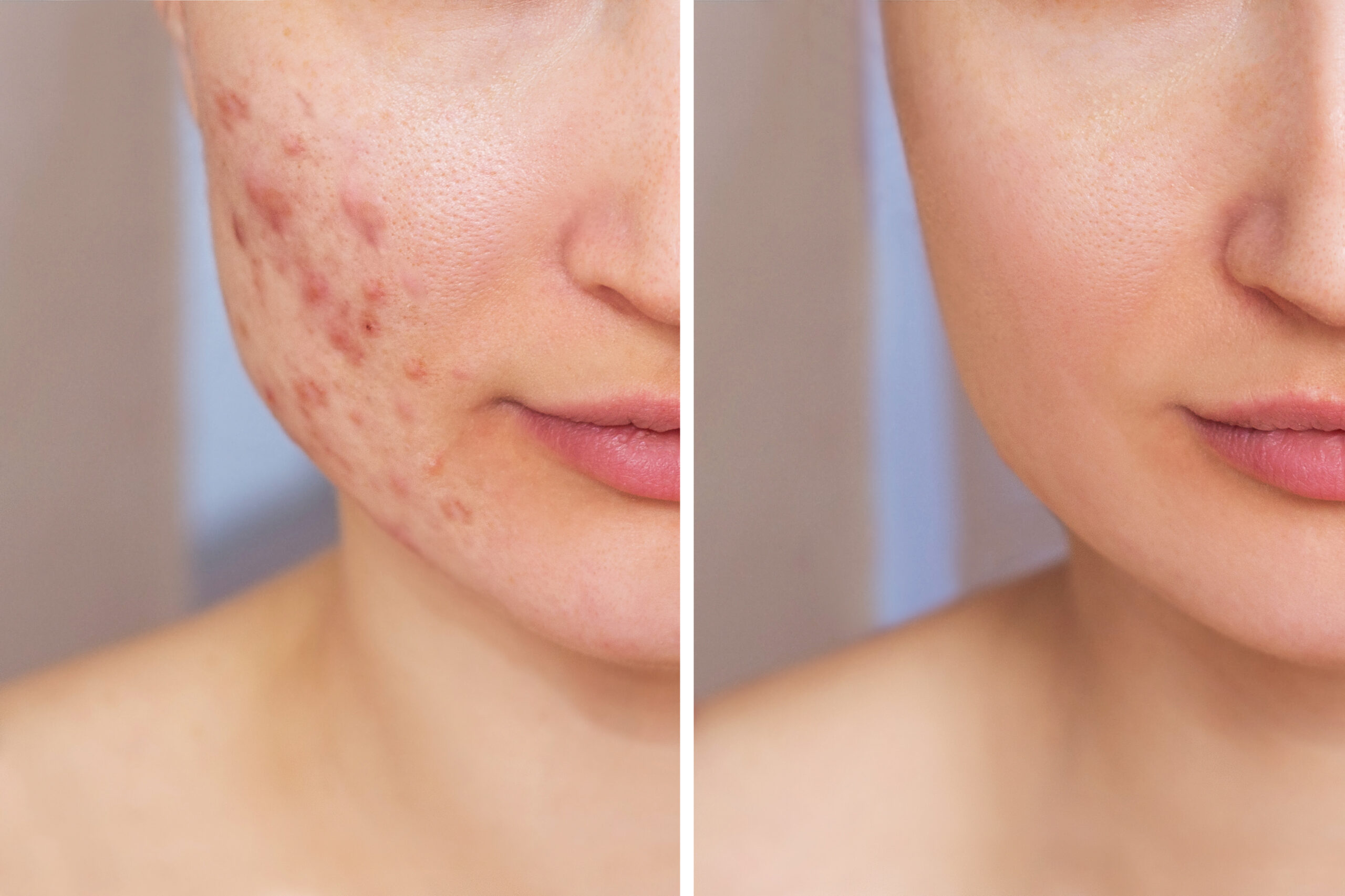
Cystic acne appears as large (often 5mm+), red, swollen, tender or painful bumps filled with pus or fluid. They feel hard or soft, last weeks to months, and commonly affect the face (jawline, chin, cheeks), back, chest, shoulders, or buttocks. They have a high risk of scarring or post-inflammatory hyperpigmentation.
Causes and Risk Factors
- Hormonal changes — Puberty, menstrual cycles, pregnancy, menopause, or conditions like PCOS increase oil production.
- Genetics — Family history raises risk.
- Excess oil and bacteria — Combined with clogged pores.
- Other triggers — Stress, certain medications, oily skincare/makeup, high-glycemic diets, or friction.
Treatment Options
Cystic acne often doesn’t respond well to over-the-counter products alone because it’s deep and inflammatory. See a professional promptly to avoid scarring. Treatments may combine approaches and take weeks to months for results.
Professional/Prescription Treatments:
- Cortisone injections — Quick relief for individual cysts (reduces size and pain in days).
- Oral isotretinoin (Accutane) — Highly effective for severe cases; shrinks oil glands, often provides long-term remission (requires monitoring for side effects).
- Oral antibiotics (e.g., doxycycline) — Short-term to reduce bacteria and inflammation.
- Hormonal therapies — Birth control pills or spironolactone (for women with hormonal triggers).
- Topical prescriptions — Stronger retinoids (tretinoin), benzoyl peroxide, or azelaic acid.
- Procedures — Chemical peels, laser/light therapy, or drainage for persistent cases.
At-Home Support and Mild Relief (Supportive, Not a Cure):
- Gentle cleansing twice daily with non-comedogenic, fragrance-free products.
- Ice or warm compresses for pain/swelling.
- OTC benzoyl peroxide or salicylic acid (limited effect on deep cysts).
- Avoid picking/squeezing (worsens scarring and spread).
- Non-comedogenic moisturizer and sunscreen.
Lifestyle tips: Manage stress, eat a lower-glycemic diet, and keep hair/products off the face.
When to See a Doctor
See a dermatologist if you have painful deep bumps, scarring, or if OTC treatments fail after a few weeks. Early intervention is key to preventing permanent scars.
Important: This is general information, not personalized medical advice. Treatments like isotretinoin have risks (e.g., birth defects), so professional evaluation is essential. A board-certified dermatologist or skincare professional can tailor a plan to your skin type, age, and health. If you have persistent cystic acne, consult one soon for the best outcome.