Nodular Acne Treatment Guide

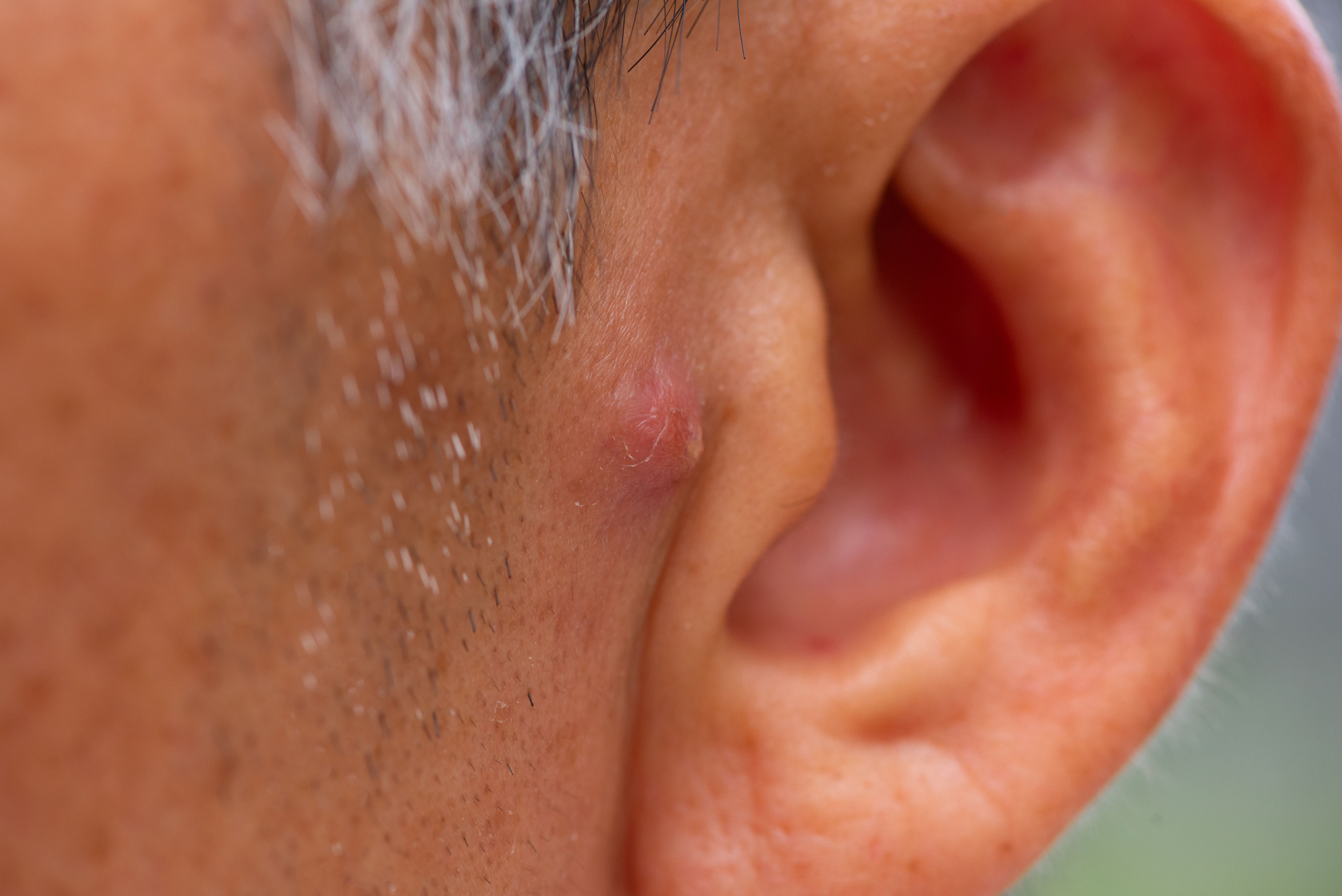
Nodular acne is a severe, deep form of inflammatory acne: hard, tender lumps that sit under the skin rather than coming to a head. They form when a clogged follicle ruptures deeper in the dermis, triggering a strong inflammatory response. They are distinct from cysts, which are softer and fluid-filled. Both carry a high scarring risk if untreated.
Over-the-counter spot treatments usually cannot reach them. Topical benzoyl peroxide, salicylic acid, and even adapalene help surface comedones and milder inflammation, but nodules sit too deep for those ingredients to resolve the lesion itself.
What actually works
See a board-certified dermatologist rather than relying on DIY routines. Standard approaches include:
- Oral isotretinoin — the most effective option for widespread or scarring nodular acne. It shrinks oil glands, normalizes keratinization, and reduces inflammation. A course typically lasts several months and requires monitoring (and iPLEDGE enrollment in the US).
- Oral antibiotics (often doxycycline) plus benzoyl peroxide to limit resistance, used for a limited period.
- Hormonal options for many women: spironolactone or combined oral contraceptives.
- Intralesional corticosteroid injections — a quick way to flatten a single large, painful nodule and reduce scarring risk. These are done in-office.
- Prescription topicals (retinoids, antibiotic + benzoyl peroxide combinations) used alongside orals.
Recent AAD guidance strongly recommends isotretinoin for severe nodular acne, acne that is scarring, or acne that has failed standard oral/topical therapy. Newer research is also looking at dissolvable microneedles to deliver antibiotics like clindamycin more directly into sebaceous glands.
Supportive daily skincare
While waiting for or using prescription treatment:
- Cleanse twice daily with a gentle, non-comedogenic cleanser. Avoid scrubs and harsh physical exfoliants on active nodules.
- Use a lightweight, non-comedogenic moisturizer to support the barrier (especially if you start a retinoid or isotretinoin).
- Apply broad-spectrum sunscreen every day; many acne medications increase photosensitivity.
- Ice wrapped in cloth for 5–10 minutes can temporarily ease pain and swelling.
- Do not pick, squeeze, or attempt to extract nodules. That increases inflammation and scarring.
If you already use retinoids, niacinamide, or barrier-repair products for other acne or texture concerns, keep the routine simple and non-irritating around active nodules so you do not compound inflammation.
Book a dermatologist visit promptly if nodules are painful, lasting weeks, multiplying, or leaving marks. Early treatment is the best way to limit scarring.
Most useful spa / medical-spa treatments
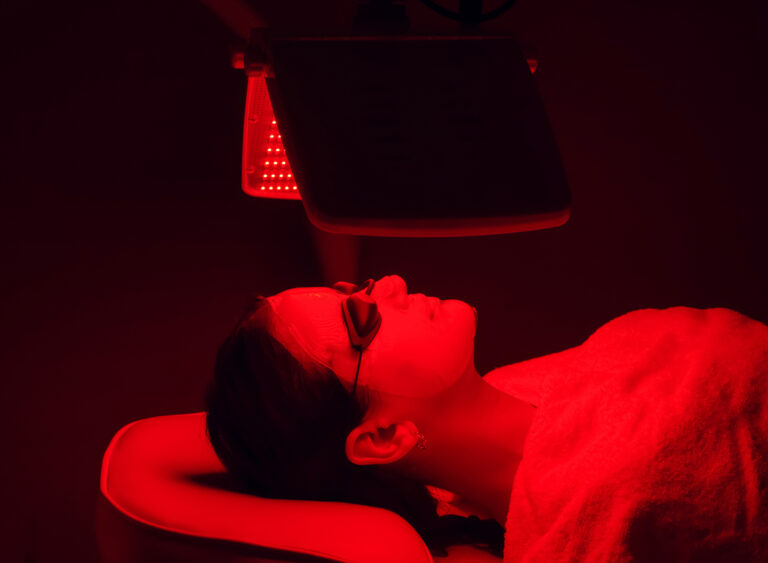
LED light therapy (blue + red)
This is one of the safest and most commonly used options. Blue light (~415 nm) targets C. acnes bacteria. Red light (~630–660 nm) reduces inflammation and supports healing. It has no downtime and can be added to almost any facial. Series of sessions (often 8–12) are typically needed. It is especially helpful around active nodules without touching or squeezing them.
Salicylic acid (BHA) chemical peels
Oil-soluble salicylic acid peels penetrate pores, reduce oil, and have anti-inflammatory effects. Superficial-to-medium peels are used for congestion and surrounding inflammatory lesions. They are generally more suitable than glycolic or deeper TCA/Jessner peels when nodules are present. Results are modest for the nodules themselves but help prevent new clogs and improve overall texture. Multiple sessions spaced weeks apart are standard.
HydraFacial (or similar multi-step vacuum + infusion facials) with acne boosters
These combine gentle exfoliation, suction, and customized serums (often salicylic acid or antibacterial boosters). They can clear surface debris and hydrate stressed skin. Providers usually skip or go very lightly over active nodules. Useful as maintenance once inflammation is under better medical control.
High-frequency or calming anti-inflammatory protocols
High-frequency (UVC-type) devices can reduce bacteria and inflammation on the surface. Follow-up masks with sulfur, ichthammol, or soothing ingredients help calm redness after any work. These are low-risk additions when the skin is already inflamed.
Light-based and laser options in medical spas
- IPL or certain Nd:YAG lasers can reduce inflammation and redness.
- Newer 1726 nm lasers (AviClear, Accure) specifically target sebaceous glands and have data for inflammatory acne, including more severe cases. These are typically offered in physician-supervised medical spas rather than traditional day spas. Photodynamic therapy (PDT) is another option in some clinics but has more downtime and discomfort.
Cortisone (triamcinolone) injections into individual painful nodules shrink them quickly (often 24–48 hours) and lower scarring risk. These are usually performed by a dermatologist or trained medical provider, not a standard esthetician.
What to avoid during active nodular acne
- Aggressive extractions or lancing of nodules or cysts (this spreads inflammation and increases scarring). Estheticians should only extract mature surface pustules or comedones.
- Microdermabrasion, harsh physical scrubs, or deep mechanical exfoliation.
- Deep microneedling or RF microneedling while lesions are actively inflamed (better reserved for later scar work).
- Strong peels or energy treatments if you are on or recently finished isotretinoin (skin is more fragile).
- Picking, squeezing, or at-home “popping.”
Practical approach
See a professional first for diagnosis and a medical plan, especially if nodules are frequent, large, or scarring. Then add spa treatments for support: LED plus a gentle BHA peel or customized HydraFacial series is a common, well-tolerated combination. Consistency (a series rather than one-off visits) plus daily non-comedogenic, barrier-supportive skincare matters more than any single spa visit.
Here are three of the most consistently high-rated, frequently recommended Amazon options that reviewers and dermatologists mention for stubborn, cystic, and nodular-type breakouts.
1. Differin Gel (0.1% Adapalene)
The standout retinoid for treating acne at the source. It is one of the most-reviewed acne products on Amazon (typically 4.5 stars with 70,000+ ratings) and is frequently listed as a top pick by dermatologists and testers.
Adapalene normalizes skin cell turnover, unclogs pores deep down, and reduces inflammation. Reviewers with long-standing cystic and nodular acne often report fewer new deep lesions after consistent use (expect a possible 4–8 week purge first). Use a pea-sized amount at night, pair with a bland moisturizer, and wear sunscreen daily.
2. PanOxyl 10% Benzoyl Peroxide Foaming Wash
The highest-strength OTC benzoyl peroxide wash available. It regularly sits at 4.6 stars with 80,000+ ratings and very high monthly sales. It is widely used on both face and body.
10% BPO kills acne-causing bacteria quickly and helps shrink existing inflamed lesions. Many reviewers specifically mention improvement in cystic and hormonal breakouts on the face, chest, and back. Start with short contact time (15–60 seconds) a few times a week to avoid irritation, then increase as tolerated. Follow immediately with moisturizer.
3. Peach Slices Deep Blemish Microdarts
Targeted patches designed for early-stage and below-the-surface (deep/cystic-style) blemishes. These use dissolving microdarts to deliver salicylic acid, niacinamide, tea tree, and soothing ingredients deeper than standard hydrocolloid patches. They appear frequently in searches and reviews for stubborn or nodular-feeling spots.
Apply at the first sign of a deep bump and leave on overnight. Users often report reduced size, redness, and pain within 1–2 nights. They are not a daily treatment for widespread nodular acne but work well as a spot tool alongside a retinoid or BPO routine.
How to use these together (if your skin tolerates it):
Wash with PanOxyl (or a gentler cleanser on off days) → treat with Differin at night → use a microdart patch on any emerging deep spot. Always moisturize and use SPF 30+. Introduce one product at a time.
These are among the best-rated, most-purchased options currently available on Amazon for people dealing with deeper inflammatory acne. Results vary, and consistency plus professional medical advice matter more than any single product. If nodules persist or worsen, see a professional promptly.