
Radiofrequency (RF) Facial Device Home Tips

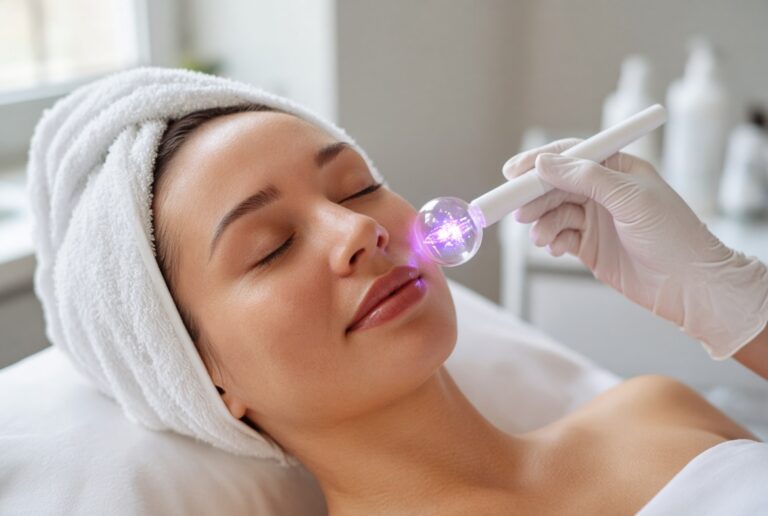
Here are top practical tips for safely and effectively using at-home radiofrequency (RF) skin devices. These non-invasive tools heat the deeper layers of skin to stimulate collagen and elastin production, helping with firmness, fine lines, and mild sagging—primarily on the face, neck, and jawline.
Results are gradual (often visible after 4–12 weeks of consistent use) and subtler than professional treatments. Always prioritize safety, as improper use can cause redness, burns, or (rarely) other issues.
1. Choose a Reputable, Safety-Certified Device
(See also: Top Rated Radiofrequency (RF) Devices for Skin Tightening, Collagen Stimulation, Wrinkle Reduction & Firming)
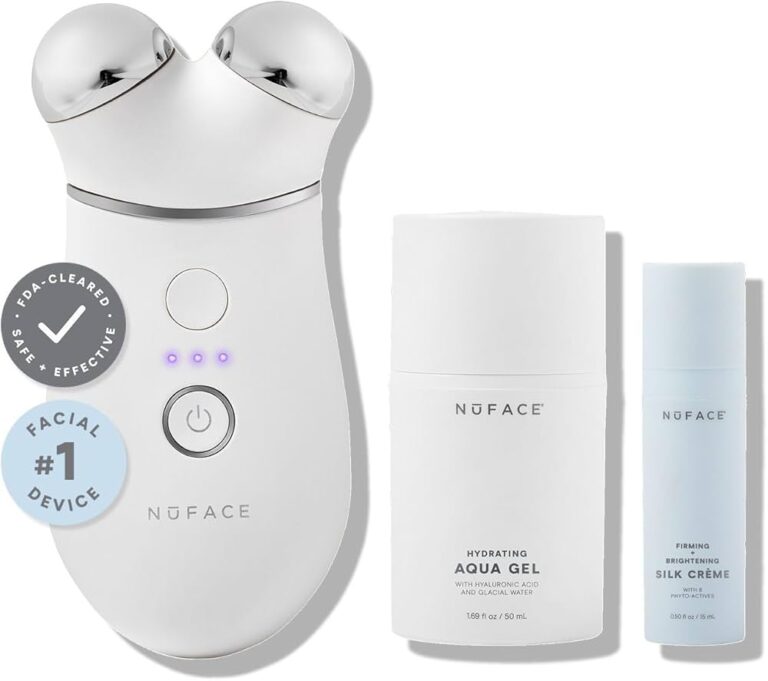
- Opt for FDA-cleared or CE-marked devices designed specifically for home use (e.g., models with temperature sensors, auto shut-off, or adjustable levels).
- Avoid professional-grade or RF microneedling devices—these are not for at-home use and carry higher risks like burns, scarring, or fat loss per FDA warnings.
- Read reviews and check for built-in safety features like cooling or even energy distribution.
2. Prepare Your Skin Properly
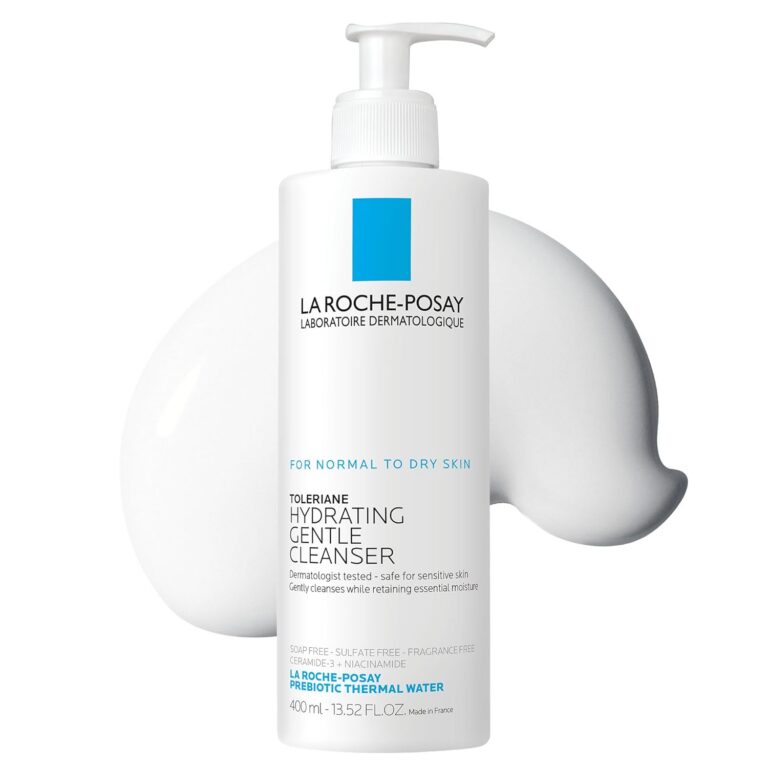
- Cleanse thoroughly: Start with a gentle, oil-free cleanser to remove makeup, dirt, or residue. Dry skin completely—oils or products can interfere with conductivity or cause uneven heating.
- Apply conductive gel: This is essential (not optional). Use a generous, even layer of the gel provided with your device (or a compatible one). It protects the skin, ensures smooth gliding, and helps deliver energy evenly. Some users layer a hyaluronic acid serum underneath first and let it absorb.
3. Start Low and Go Slow with Intensity
- Begin on the lowest energy setting for your first few sessions to test tolerance. You should feel gentle warmth (like a hot stone massage), not burning or pain. Gradually increase only as your skin adapts.
- Stop immediately if you feel discomfort, stinging, or excessive heat—overheating is a common cause of issues.
4. Master the Technique
- Move slowly: Use small, overlapping circular motions or gentle upward glides. Fast movements reduce effectiveness because heat needs time to penetrate. Keep the device in full, flat contact with the skin (all prongs or heads touching).
- Lift and support: On areas like cheeks or jawline, gently push or lift the skin/flesh upward with your free hand while treating for better contouring.
- Treat in sections: e.g., 5–10 minutes per area (forehead, eyes, cheeks). Full face sessions often take 20–40 minutes total—follow your device’s manual for exact times.
- Avoid bony areas (like eye sockets or thyroid/neck if advised), broken skin, active acne, or areas with fillers/implants.
5. Follow a Consistent Schedule and Frequency
- Typical protocol: 2–3 times per week for the face (not daily, to allow skin recovery). Some devices recommend 1–2x weekly initially.
- Space heat-based treatments (including RF) at least 12–24 hours apart if combining with other devices like microcurrent or LED.
- Commit to 8–12 weeks minimum for noticeable collagen-building results—consistency beats intensity. Maintenance might drop to 1x weekly.
6. Aftercare Is Key
- Gently remove excess gel and apply a soothing, hydrating serum (aloe, hyaluronic acid) or moisturizer right away to calm skin and lock in benefits.
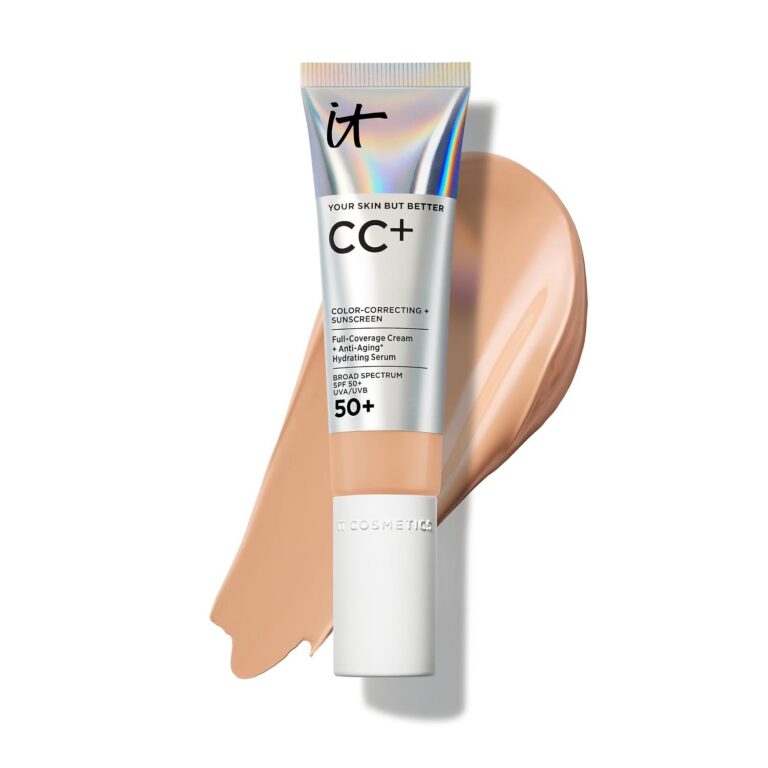
- Use broad-spectrum SPF 30+ daily—stimulated skin can be more sun-sensitive.
- Stay hydrated and support collagen with a good skincare routine (retinoids, peptides, vitamin C) on non-treatment days.
7. Safety Precautions and When to Skip
- Contraindications: Avoid if pregnant, have metal implants/pacemakers in the area, active skin conditions (eczema, rosacea flares), or recent sun exposure/burns. Consult a doctor for any medical concerns.
- Patch test first. Monitor for prolonged redness, swelling, or blistering—seek medical advice if needed.
- Do not use over eyelids or directly on the thyroid (cover if treating neck).
- Common side effects: Mild temporary redness or warmth (normal). Serious issues like burns or fat loss are rare with proper home devices but can occur from overheating or poor technique.
Bonus Tips for Better Results
- Combine thoughtfully: RF pairs well with LED light therapy (for calming) or microcurrent (for toning), but follow spacing rules and device order guidelines.
- Track progress with photos in consistent lighting every 4 weeks.
- Be realistic: At-home RF excels at prevention and mild tightening, not dramatic lifts or deep wrinkles.
If results plateau or you’re unsure about your device, consult a dermatologist. Individual results vary based on age, skin type, and consistency. Start slow, listen to your skin, and enjoy the at-home convenience!