Retin-A vs Retinol vs Retinal vs Adapalene vs Azelaic Acid: What’s Best for Anti-Aging?

If you’ve ever stood in the skincare aisle (or scrolled endlessly online) trying to figure out the difference between retinol, Retin-A, or newer options like adapalene and azelaic acid—you’re not alone. These ingredients are some of the most powerful tools in modern skincare, but they’re often misunderstood.
Let’s break down what each one does, how they compare, and which might be right for your anti-aging goals.
Why These Ingredients Matter for Aging Skin
As we age, our skin naturally slows down its cell turnover. This leads to:
- Fine lines and wrinkles
- Uneven texture
- Hyperpigmentation
- Loss of collagen
The ingredients in this guide work in different ways to stimulate renewal, boost collagen, and improve overall skin quality.
Retin-A (Tretinoin): The Gold Standard
Tretinoin
Often referred to by the brand name Retin-A, tretinoin is a prescription-strength retinoid and widely considered the gold standard for anti-aging.
What it does:
- Speeds up cell turnover dramatically
- Stimulates collagen production
- Reduces fine lines, wrinkles, and sun damage
- Improves skin texture and tone
Pros:
- Most clinically proven anti-aging ingredient
- Delivers faster, more dramatic results
Cons:
- Can cause irritation, peeling, and dryness
- Requires a prescription
- Not ideal for sensitive skin beginners
Best for: Moderate to advanced aging concerns and experienced skincare users.
Retinol: The Beginner-Friendly Classic
Retinol
Retinol is an over-the-counter derivative of vitamin A and one of the most popular anti-aging ingredients available.
What it does:
- Converts into retinoic acid in the skin (the active form)
- Boosts collagen and cell turnover more gently
Pros:
- Widely available without prescription
- Less irritating than tretinoin
- Great entry point into retinoids
Cons:
- Slower results compared to prescription options
- Still may cause mild irritation
Best for: Beginners, sensitive skin types, and maintenance anti-aging.
Retinal (Retinaldehyde): The Middle Ground
Retinaldehyde
Retinal (also called retinaldehyde) sits between retinol and tretinoin in strength.
What it does:
- Converts to retinoic acid in one step (faster than retinol)
- Improves wrinkles, texture, and pigmentation
Pros:
- More potent than retinol
- Less irritating than tretinoin
- Often better tolerated with faster results
Cons:
- Slightly more expensive
- Still may cause dryness/peeling
Best for: Users ready to level up from retinol without jumping to prescription strength.
Adapalene: The Acne-Fighting Retinoid with Anti-Aging Benefits
Adapalene
Originally developed for acne, adapalene (commonly found in OTC treatments) also offers anti-aging benefits.
What it does:
- Normalizes cell turnover
- Reduces inflammation
- Helps prevent clogged pores
Pros:
- Less irritating than tretinoin
- Stable in light and oxygen
- Good for acne-prone aging skin
Cons:
- Not as strong for wrinkles as tretinoin
- Anti-aging results are more subtle
Best for: Adult acne + early signs of aging.
Azelaic Acid: The Gentle Multitasker
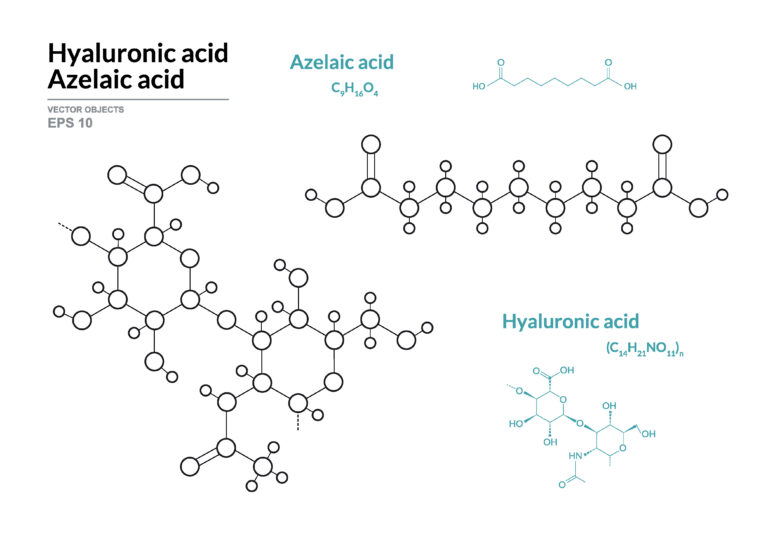
Azelaic acid
Azelaic acid isn’t a retinoid, but it’s a powerhouse in its own right—especially for sensitive or reactive skin.
What it does:
- Brightens skin and reduces hyperpigmentation
- Fights acne-causing bacteria
- Calms inflammation and redness
Pros:
- Safe for sensitive skin and rosacea
- Helps with dark spots and uneven tone
- Minimal irritation
Cons:
- Doesn’t stimulate collagen as strongly as retinoids
- Slower anti-aging effects
Best for: Redness, pigmentation, and sensitive skin types.
| Ingredient | Strength | Irritation Risk | Best For |
|---|---|---|---|
| Tretinoin | High | High | Deep wrinkles, advanced aging |
| Retinal | Medium-High | Medium | Faster results with less irritation |
| Retinol | Medium | Low-Medium | Beginners and maintenance |
| Adapalene | Medium | Low | Acne + early aging |
| Azelaic Acid | Low | Very Low | Sensitive skin, pigmentation |
How to Choose the Right One
- New to anti-aging? Start with retinol
- Want faster results without prescription? Try retinal
- Ready for serious results? Consider tretinoin
- Struggling with breakouts too? Adapalene is a great option
- Dealing with redness or dark spots? Add azelaic acid
Pro Tips for Using These Ingredients
- Start slow (2–3 times per week)
- Use a pea-sized amount
- Always apply sunscreen daily
- Expect an adjustment period (“retinization”)
- Moisturize generously to support your skin barrier
Final Thoughts
There’s no one-size-fits-all answer when it comes to anti-aging skincare. The best ingredient is the one your skin can tolerate consistently. Whether you start with a gentle retinol or go all-in with tretinoin, consistency is what truly transforms your skin over time.