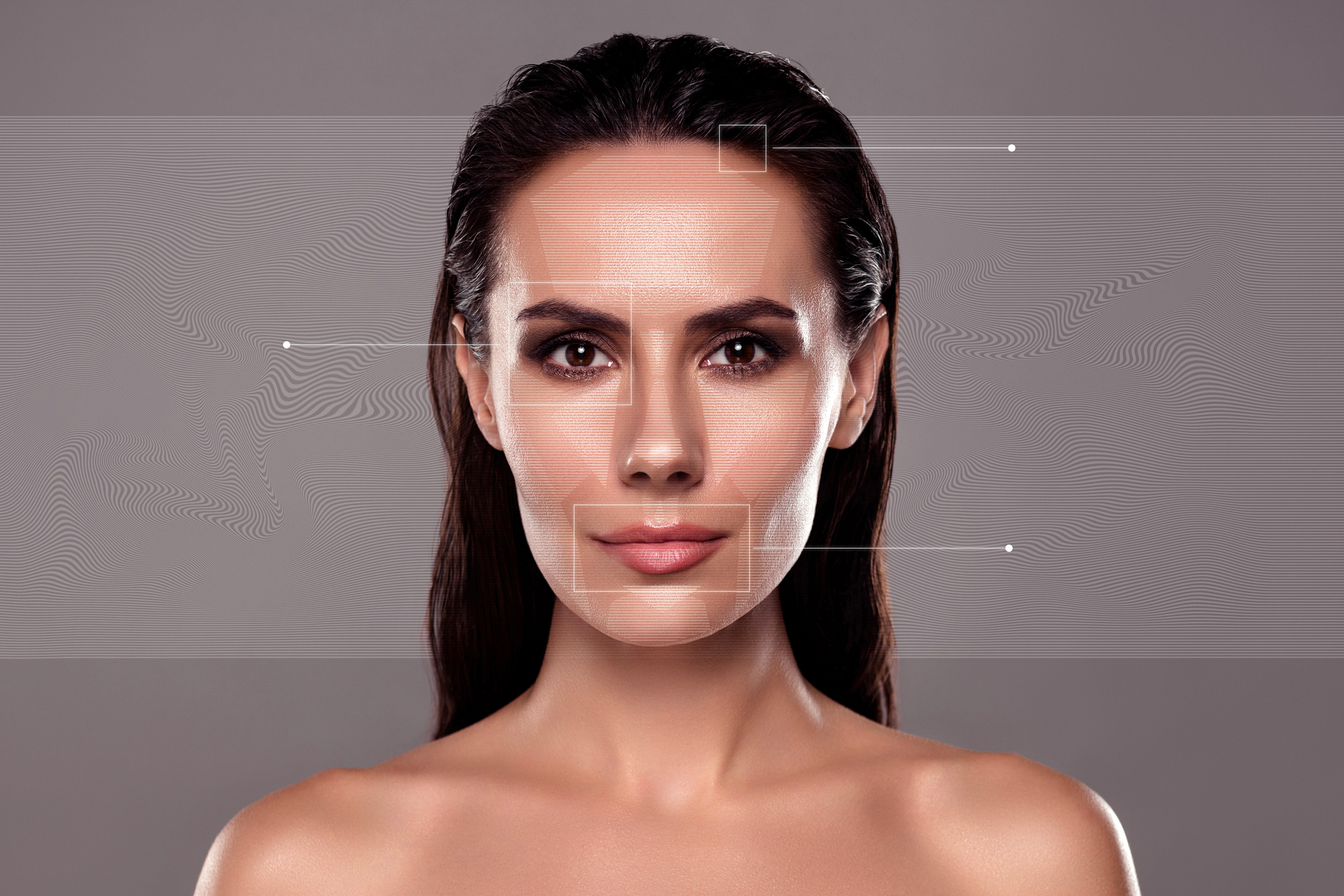
AI Revolution in Skincare

AI is transforming skincare by enabling hyper-personalized diagnostics, product recommendations, ingredient development, and at-home monitoring—moving far beyond generic routines.
Key Applications of AI in Skincare
1. Skin Analysis and Diagnostics
AI tools analyze selfies or scans to assess metrics like wrinkles, pigmentation, hydration, pores, redness, texture, sensitivity, and even “skin age” compared to biological age. They provide clinical-grade insights in seconds, often validated by dermatologists.
2. Personalized Recommendations
Based on analysis (plus quizzes on lifestyle, concerns, and preferences), AI suggests tailored routines, products, or routines. This boosts purchase confidence and reduces trial-and-error.
3. Virtual Try-Ons and Simulations
AR combined with AI lets users preview how products or ingredients might affect their skin in real time.
4. Product Formulation and R&D
AI accelerates ingredient discovery, predicts efficacy, and creates custom formulations by analyzing vast datasets (including genomics).
5. Devices and Continuous Monitoring
Smart mirrors, patches, and handheld tools use AI for ongoing tracking and real-time advice.
Popular AI Skincare Tools and Platforms (as of 2026)
- Haut.AI: Analyzes 20+ skin metrics from selfies with clinical precision (trained on millions of images). Offers personalized recommendations and expands into hair analysis.
- Perfect Corp (YouCam AI Agent): Conversational AI beauty assistant. Uses a selfie + dialogue for skin analysis, preferences, and dynamic product/routine suggestions. Strong in retail integration.
- Revieve: Provides detailed skin age diagnostics and 200+ metrics for personalized routines.
- IlluminateAI: Excels at accurate skin tone, undertone, and condition matching via phone camera—used by brands like e.l.f. Beauty for better online/in-store conversions.
- Brand-Specific Tools: Cetaphil’s MySkin, La Roche-Posay’s MyRoutine, Vichy’s SkinConsult AI, L’Oréal, and others offer free analysis tied to their products.
Other notable apps include Skinive (risk detection), Cureskin (dermatologist-backed), and GlamAR.
Hardware and Beauty Tech Innovations
CES 2026 highlighted several standout devices:
- Samsung AI Beauty Mirror (with Amorepacific): Camera-based analysis of pores, redness, pigmentation, wrinkles → links to recommendations and compatible devices.
- Amorepacific Skinsight: Wearable sensor patch tracks moisture, temperature, etc., in real time; AI delivers personalized advice.
- Kiehl’s Derma-Reader 2.0: In-store AI imaging device for dermatologist-level insights.
Other devices include AI-powered showers, rejuvenation pods, and professional analyzers.
Market Growth and Impact
The AI skincare/analysis segment is booming:
- AI in skincare market: ~$1.37B in 2025, projected to reach ~$4.28B by 2035 (CAGR ~12%).
- Broader beauty tech (heavily AI-driven): Expected to grow rapidly toward $170B+ by 2030.
- AI beauty personalization platforms: From ~$2.3B in 2026 to $16.4B by 2036.
Benefits include greater accuracy (reducing misdiagnosis), accessibility (no need for in-person derm visits for basics), inclusivity across skin tones, and better outcomes through data-driven personalization. Limitations: Accuracy varies by lighting/skin diversity in training data; it’s best as a complement to professional advice, not a replacement for serious conditions.
Future Outlook
Expect more generative AI for fully custom formulas, on-device processing for privacy, integration with wearables/genomics, and seamless in-store + online experiences. Brands like L’Oréal, Estée Lauder, and Amorepacific are heavily investing.
Try it yourself: Search for free tools from trusted brands (e.g., Haut.AI, Perfect Corp integrations, or Cetaphil) and upload a clear, well-lit selfie. For best results, combine AI insights with a dermatologist visit. AI makes skincare smarter and more effective than ever.