Dry Skin: Causes, Symptoms & Treatments

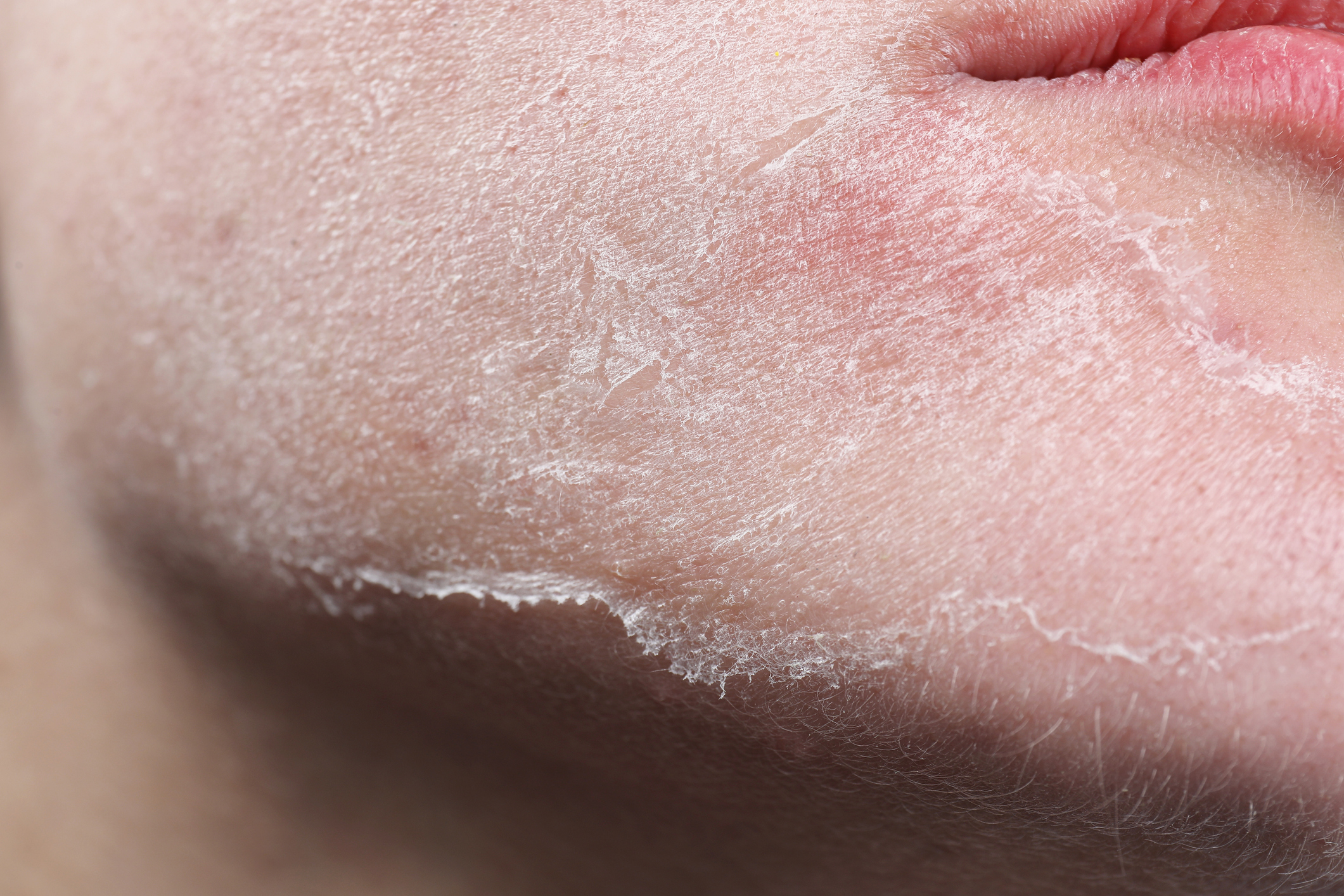
Dry skin (also called xerosis) happens when your skin loses too much moisture or doesn’t produce enough natural oils to stay hydrated and protected. It’s super common, especially in colder, drier weather like Chicago winters (or with indoor heating), and it can affect your face, hands, legs, arms, or body.
Quick Symptoms
- Rough, flaky, or scaly patches
- Tightness (especially after washing)
- Itching or redness
- Cracking or peeling in more severe cases
Dry Skin vs. Dehydrated Skin
People often mix these up, but they’re different:
- Dry skin is a skin type — your skin naturally produces less oil (sebum/lipids), so it feels rough and flaky long-term. It often runs in families or worsens with age.
- Dehydrated skin is a temporary condition — your skin lacks water (not oil), so it can feel tight, dull, or show fine lines even if you have oily or normal skin. Causes include harsh products, low humidity, caffeine/alcohol, or not drinking enough water.
Simple test: Pinch your cheek gently. If it stays “tented” or wrinkles slowly, dehydration may be playing a role. Dry skin tends to feel consistently rough/flaky regardless.
Common Causes
- Cold/dry air or low indoor humidity
- Hot showers/baths or frequent washing
- Harsh soaps, fragranced products, or over-exfoliating
- Aging (skin produces less oil over time)
- Medications, medical conditions (e.g., eczema, thyroid issues), or genetics
- Windy Chicago weather can make it worse year-round.
How to Treat and Soothe Dry Skin
Most cases improve quickly with simple changes. Focus on gentle care and locking in moisture.
Daily Habits (Professional-Recommended)
- Short, lukewarm showers/baths — Limit to 5–10 minutes. Hot water strips oils.
- Gentle cleansing — Use fragrance-free, hydrating cleansers (avoid bar soaps if possible).
- Moisturize immediately — Pat skin dry (don’t rub) and apply within 3 minutes of bathing while skin is damp. Reapply 2–3 times a day.
- Use a humidifier — Especially in winter; aim for 40–60% indoor humidity.
- Drink water and eat healthy fats — Omega-3s (fish, nuts) and overall hydration help from the inside.
- Wear breathable fabrics — Cotton over wool/synthetics that irritate.
Best Ingredients to Look For
- Occlusives (seal moisture): Petrolatum (petroleum jelly), shea butter, ceramides
- Humectants (draw in water): Glycerin, hyaluronic acid
- Emollients (soften skin): Squalane, fatty acids
Popular Moisturizers for Dry Skin (2026 Recommendations)
Drugstore favorites that consistently rank high:
- CeraVe Moisturizing Cream — Thick, ceramide-rich, unscented, great for face and body. Often called a professional favorite for creating a barrier.
- La Roche-Posay Toleriane Double Repair or Cicaplast Balm B5 — Lightweight yet very hydrating, barrier-repairing, fragrance-free.
- Vanicream — Ultra-gentle for sensitive skin.
For face-specific: Clinique Moisture Surge or richer options like First Aid Beauty Ultra Repair Cream.
Apply thicker ointments/creams at night for extra repair.
Top spa treatments for dry skin focus on gentle exfoliation, deep hydration, barrier repair, and moisture retention using ingredients like hyaluronic acid (HA), ceramides, antioxidants, oils, and nourishing masks. These are especially beneficial in winter or dry climates, as they combat tightness, flakiness, dullness, and roughness
Here are the most recommended professional spa and med-spa options based on current expert insights:
HydraFacial (or Similar Hydro-Dermabrasion/Dermal Infusion)
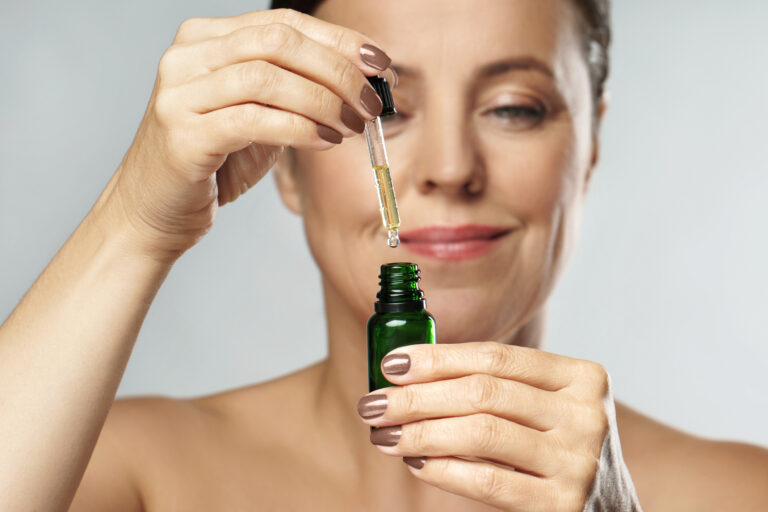
This multi-step treatment cleanses, exfoliates gently, extracts impurities, and infuses hydrating serums (often with HA, antioxidants, and peptides) via vortex technology. It provides instant glow, plumpness, and moisture without irritation or downtime. Ideal for dry, dehydrated skin; results are immediate and improve with regular sessions (e.g., monthly).
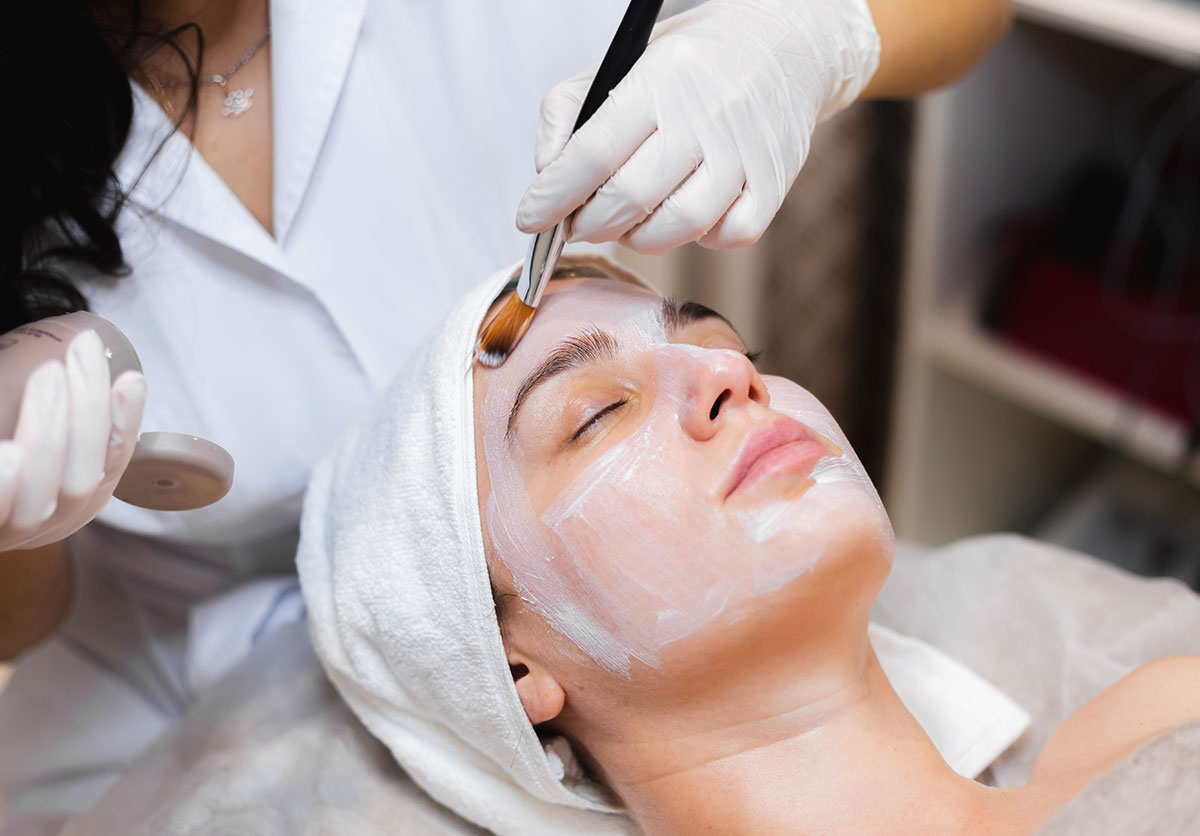
Hydrating or Moisture-Drench Facials (Custom/Cream-Based)
These include thorough cleansing with cream cleansers (not stripping gels), gentle exfoliation, hydrating masks/serums (HA, aloe, glycerin, vitamins E/C), and rich moisturizers or balms. Often combined with massage for better absorption. They soothe tightness, restore the skin barrier, and leave skin soft and dewy. Look for versions with LED light therapy for added calming and healing.
Oxygen Facials / Oxygen Infusion Treatments
Pure oxygen and nutrient-rich serums (with HA, green tea, vitamins, aloe) are infused into the skin to boost circulation, cell regeneration, and hydration while strengthening the barrier. Great for instant plumpness and glow on dehydrated skin.
Advanced Options (Med-Spa Level): Microneedling with PRP, Dermaplaning, or Gentle Chemical Peels
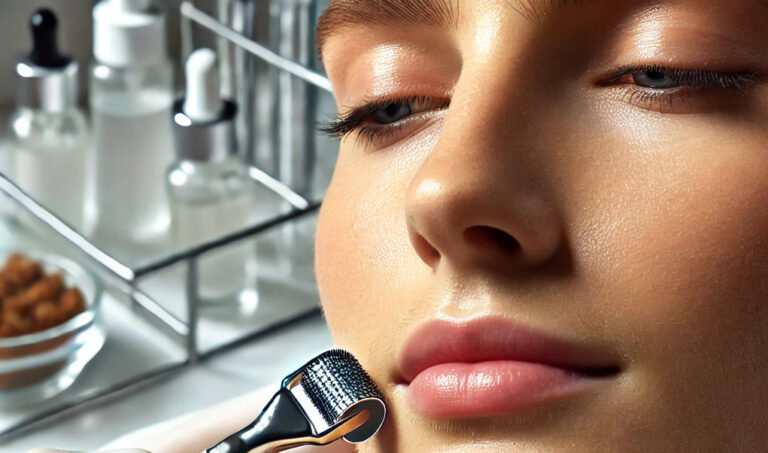
Microneedling with PRP: Creates micro-channels to boost collagen and improve long-term moisture retention (multiple sessions recommended).
Dermaplaning: Removes dead cells and fine hair for better product absorption, paired with hydration.
Lactic Acid Peels (mild): Provide gentle exfoliation and hydration without harsh dryness.
Other supportive treatments include LED light therapy facials and aromatherapy massages tailored for sensitive/dry skin.
Tips for Best Results
Consult a professional esthetician for customization, especially if skin is sensitive.
Frequency: Monthly for maintenance; more often in dry seasons.
At-home follow-up: Use HA serums, ceramide moisturizers, gentle cleansers, and avoid hot showers or harsh exfoliants.
Simple Home Remedies
- Petroleum jelly or coconut oil — Apply as a final occlusive layer.
- Colloidal oatmeal bath — Soothes itch; grind plain oats and add to lukewarm bath.
- Aloe vera gel (pure) — Cooling and hydrating.
- Sunflower seed oil or jojoba oil — Gentle natural emollients.
These can help mildly but aren’t substitutes for a good moisturizer routine.
When to See a Professional
Try self-care for 1–2 weeks. Get professional help if:
- Itching disrupts sleep or daily life
- Skin cracks, bleeds, or gets infected (red, swollen, warm)
- No improvement despite consistent moisturizing
- Large scaly patches, rash, or pain
- Possible underlying issue (eczema, psoriasis, etc.)
A derm can prescribe stronger creams (like with steroids) or check for other causes.
Dry skin is usually easy to manage once you adjust your routine—start with shorter showers, a thick unscented moisturizer right after, and a humidifier if you’re in a dry environment like Chicago. If it’s persistent or bothering you a lot, a quick pro visit can make a big difference.