Hormonal Acne: Causes, Symptoms & Treatments

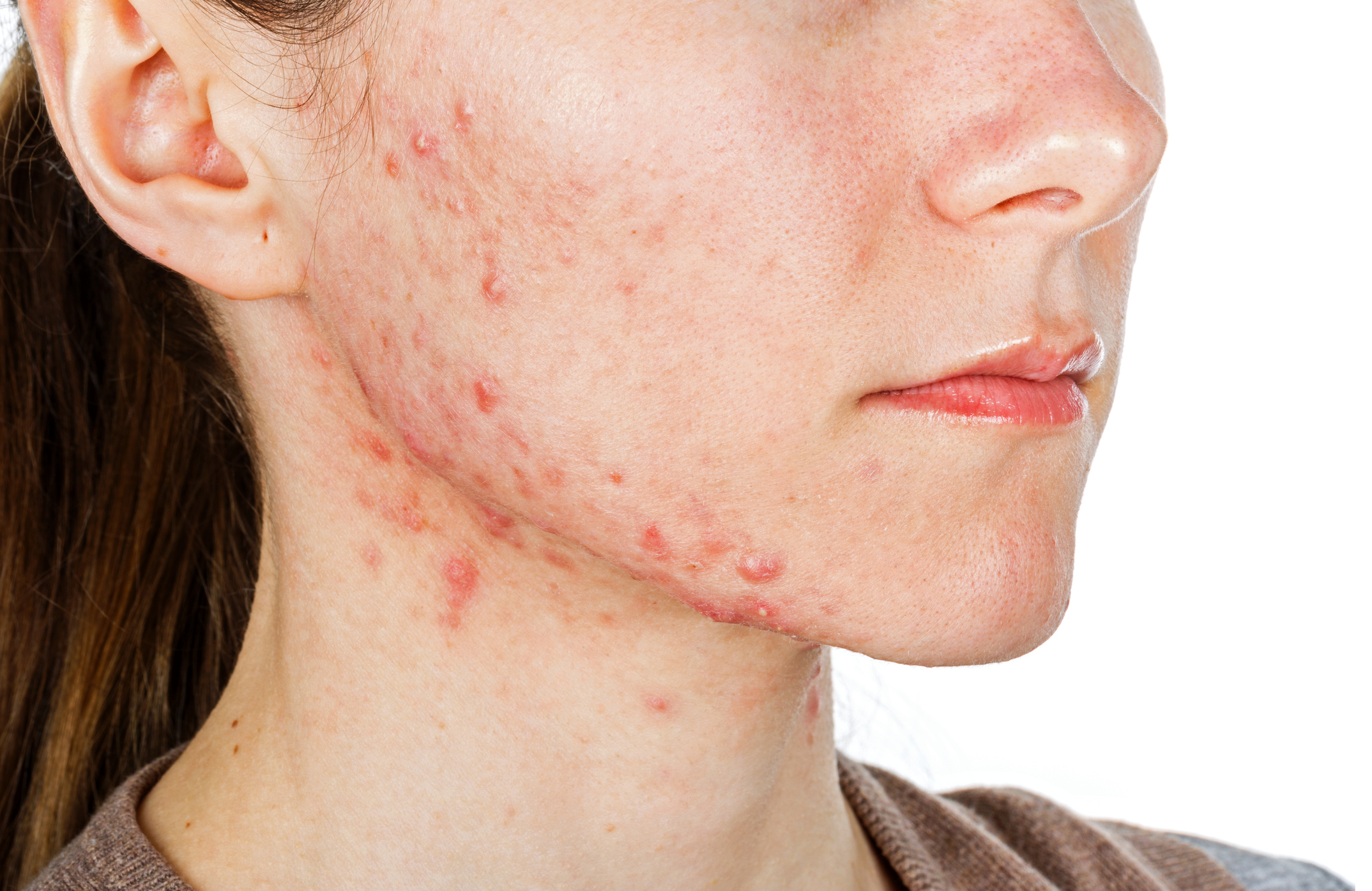
Hormonal acne is acne triggered primarily by fluctuations in hormones, especially androgens like testosterone. These hormones increase sebum (oil) production, which clogs pores, promotes bacterial growth (e.g., Cutibacterium acnes), and leads to inflammation.
It’s common in adults (often called adult acne), affecting women more frequently than men—about 50% of women in their 20s and 25% in their 40s experience it. It can also occur in teens during puberty, during pregnancy, perimenopause/menopause, or with conditions like PCOS.
| Feature | Hormonal Acne | Regular/Teen Acne |
|---|---|---|
| Location | Jawline, chin, lower cheeks, neck (“U-zone”) | Forehead, nose, upper cheeks (“T-zone”) |
| Appearance | Deep, painful cysts/nodules; often doesn’t come to a head | More surface-level: blackheads, whiteheads, pustules |
| Timing | Cyclical (e.g., before periods, stress, menopause) | More constant or random |
| Response | Often resists OTC treatments alone | Better response to basic topicals |
Common Causes and Triggers
- Hormonal shifts — Menstrual cycle (especially premenstrual), pregnancy, postpartum, menopause, or stopping birth control.
- Androgen sensitivity — Even normal levels of testosterone/DHT can overstimulate oil glands in sensitive skin.
- Other factors — PCOS, thyroid issues, stress (cortisol), certain medications (steroids, testosterone therapy), or high-glycemic diets.
Symptoms
- Painful, inflamed cysts or nodules (deeper than typical pimples).
- Oily skin, especially in flare-prone areas.
- Breakouts that recur in the same spots and may scar or cause dark spots (post-inflammatory hyperpigmentation).
Treatment Options
Treatment often combines addressing the root hormonal cause with skincare to clear pores and reduce inflammation. Always consult a professional, especially for persistent or severe cases, as they can test for underlying issues like PCOS.
Over-the-Counter (OTC) Basics (start here for mild cases):
- Benzoyl peroxide (2.5–10%) — Kills bacteria, reduces oil.
- Adapalene (e.g., Differin 0.1% gel) — Retinoid that unclogs pores.
- Salicylic acid — Exfoliates inside pores.
- Niacinamide or azelaic acid — Calm inflammation and oil production.
Use gently to avoid irritation, and always pair with a non-comedogenic moisturizer and sunscreen.
Prescription Treatments:
- Topicals — Stronger retinoids (tretinoin), topical antibiotics, or clascoterone (Winlevi, a topical anti-androgen).
Oral medications:
- Combined oral contraceptives (for women) — Regulate hormones.
- Spironolactone — Anti-androgen, very effective for jawline acne in adult women.
- Short courses of oral antibiotics (for inflammatory cases).
- Isotretinoin (Accutane) — For severe, scarring cases (highly effective but requires monitoring).
- Procedures — Chemical peels, laser/light therapy (e.g., BBL), or extractions for stubborn spots.
Lifestyle Support:
- Consistent skincare routine (gentle cleanser, actives, moisturizer, SPF).
- Stress management, balanced diet (lower dairy/sugar if it triggers you), adequate sleep.
- Some find supplements like DIM or spearmint tea helpful for mild hormone balance, but evidence varies.
Results take 8–12 weeks or longer. Hormonal acne can be stubborn and may recur if the underlying trigger (e.g., cycle or PCOS) isn’t managed.
Important Note: This is general information, not personalized medical advice. See a dermatologist or endocrinologist for tailored recommendations, especially if you have irregular periods, excess hair growth, or other symptoms. They can rule out underlying conditions and prescribe what’s safest for you.
Here are some of the top-rated and frequently recommended Amazon products for hormonal acne (especially jawline/chin cystic types). These focus on proven ingredients like retinoids, salicylic acid (BHA), sulfur, azelaic acid, and hydrocolloid patches. Results vary—hormonal acne often needs consistency (8–12+ weeks) and pairing with a gentle routine.
Always patch-test, use sunscreen daily (retinoids increase sun sensitivity), and consult a professional for persistent/severe cases.
1. Differin Adapalene Gel 0.1% (Best Overall Retinoid)
- Prescription-strength OTC retinoid that unclogs pores, reduces inflammation, and prevents new breakouts deep in the skin—ideal for hormonal/cystic acne.
- Highly praised by derms and users for jawline acne.
- Sizes: 15g (30-day), 45g, etc. Affordable and effective long-term.
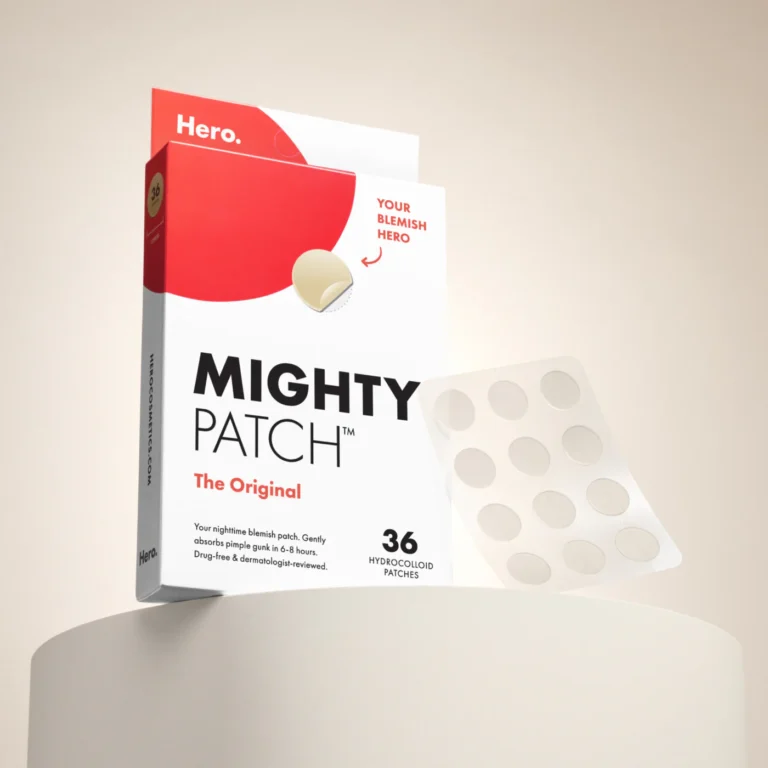
2. Hero Cosmetics Mighty Patch Original (Best Pimple Patches)
- Hydrocolloid patches that absorb pus/oil overnight, protect from picking, and speed healing—great for surfaced hormonal pimples (less effective on deep cysts but prevents worsening).
- Transparent, discreet; a staple for adult/hormonal acne sufferers.
- Variety packs available.
3. CeraVe Renewing SA Cleanser or Acne Control Cleanser (Best Daily Cleanser)
- 2% salicylic acid + ceramides/niacinamide to gently exfoliate, clear pores, and control oil without stripping skin.
- Excellent for acne-prone, sensitive, or hormonal skin; non-comedogenic.
4. De La Cruz 10% Sulfur Ointment (Best for Cystic/Hormonal Spots)
- Affordable, effective for deep, painful cysts and hormonal breakouts. Use as a short mask (10 mins) or spot treatment.
- Dries out stubborn acne without excessive irritation for many users.
5. Naturium Azelaic Topical Acid 10% (Best Multi-Tasker)
- Azelaic acid calms inflammation, reduces oil, fades dark spots, and helps with redness—gentle yet powerful for hormonal acne and sensitive skin.
- Often paired with niacinamide/vitamin C.
Other Strong Contenders
- La Roche-Posay Effaclar Medicated Gel Cleanser — Salicylic acid for oil control.
- Murad Deep Relief Acne Spot Treatment (2% salicylic) — Targeted for deep hormonal pimples.
- Earth’s Care or similar 10% Sulfur Creams — Budget cystic spot treatment.
Quick Routine Suggestion for Hormonal Acne
- Gentle cleanser (e.g., CeraVe SA).
- Treatment (Differin at night, azelaic in morning).
- Moisturizer (non-comedogenic, like CeraVe).
- Patches on active spots.
- Sunscreen daily.
Tips: Start slow with actives to avoid purging/irritation. Track breakouts with your cycle. For internal support, some use DIM supplements, but evidence is mixed—focus on skincare first.
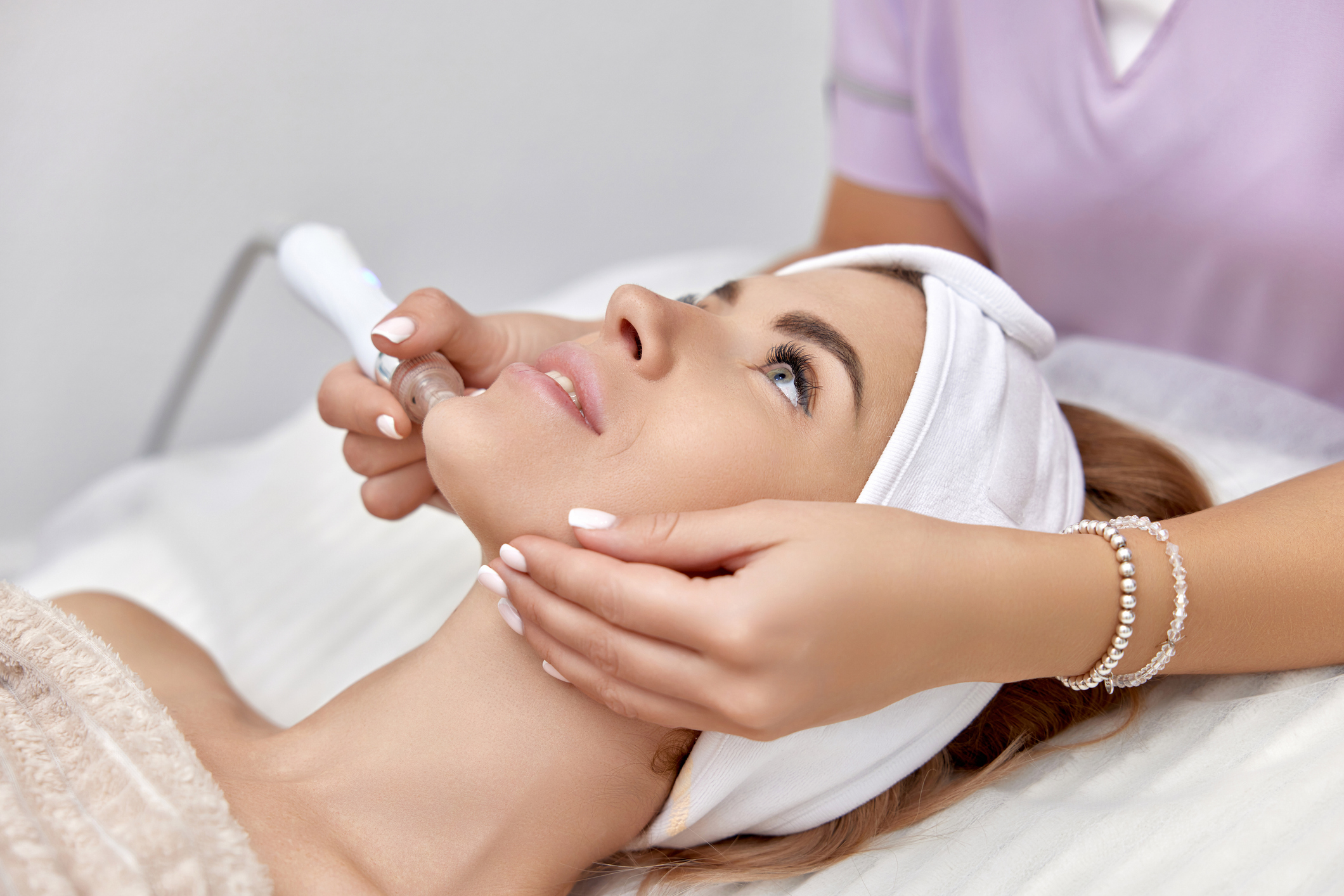
Top spa and medspa treatments for hormonal acne focus on reducing oil production, unclogging pores, killing bacteria, calming inflammation, and addressing scarring or dark spots. Hormonal acne (often deep, cystic, and along the jawline/chin) responds well to these, but they work best alongside a consistent skincare routine, possible prescriptions (like spironolactone), and lifestyle adjustments.
Results vary by skin type and severity—expect a series of sessions (4–6+) spaced weeks apart, with some downtime. Always consult a professional first for a skin assessment.
1. Chemical Peels (Top Recommendation for Hormonal Acne)
- Salicylic acid (BHA), mandelic acid, or glycolic acid peels are especially effective. They exfoliate deep into pores, dissolve oil, reduce inflammation, and prevent new breakouts—ideal for cystic/jawline acne.
- Benefits: Unclogs pores, fades post-acne marks, improves texture. Customizable strength (light to medium).
- Frequency: Every 4–6 weeks. Mild peeling or redness for a few days.
- Great for active acne and prevention.
2. LED Light Therapy / Blue + Red Light
- Non-invasive: Blue light kills acne-causing bacteria; red light reduces inflammation and promotes healing. Often added to facials.
- Excellent for hormonal flares—gentle, no downtime, and calming for sensitive skin.
- Can be done weekly or as an add-on.
3. Laser & Light Therapies (e.g., IPL, BBL, Laser Genesis)
- Targets bacteria, reduces sebum (oil) production from overactive glands, and treats redness/scarring. Broadband Light (BBL) or fractional lasers help with hormonal acne and post-inflammatory marks.
- Benefits: Longer-term reduction in breakouts; improves skin tone.
- Some warmth or mild redness post-treatment; multiple sessions needed.
4. HydraFacial or Deep Cleansing/Acne Facials
- Combines exfoliation, extraction, and infusion of serums (often with salicylic acid or antioxidants). Clears congestion without aggressive irritation.
- Custom versions (e.g., signature acne facials or Biologique Recherche) suit hormonal skin well—hydrating yet clarifying.
- Low downtime; great maintenance treatment.
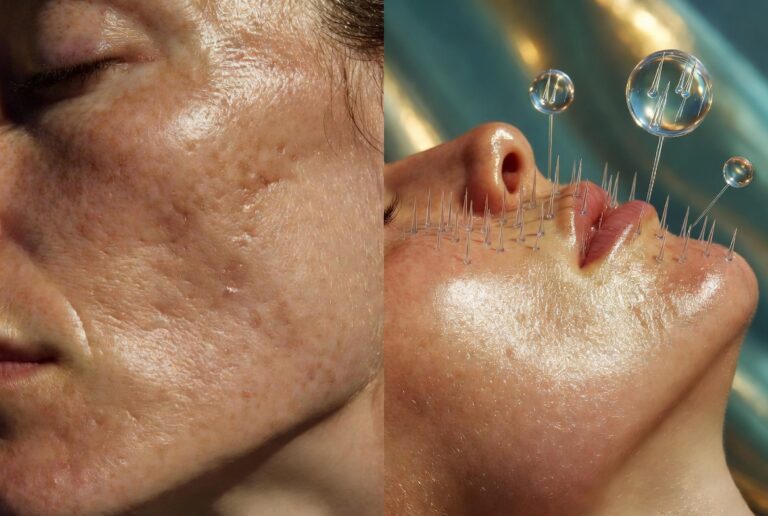
5. Microneedling (with or without RF)
- Creates micro-injuries to boost collagen, reduce scars, and improve product absorption. Often combined with serums for acne-prone skin.
- Helpful for the aftermath of hormonal cysts (scarring, texture). Mild redness for 1–3 days.
Other Notable Options
- Microdermabrasion — Gentle exfoliation to unclog pores and smooth skin.
- High-Frequency Treatments — Antibacterial add-on during facials for active spots.
- Infrared Sauna or Holistic Add-Ons — Support detox and reduce inflammation (paired with facials).
Quick Tips for Best Results
- Pair with at-home care (e.g., retinoids, niacinamide, gentle cleansing).
- Avoid aggressive extractions on deep cysts to prevent scarring.
- Use broad-spectrum sunscreen daily—treatments increase sun sensitivity.
- Maintenance: Monthly facials/peels once cleared.
These are professional treatments—not a cure for the hormonal root cause. For severe or persistent acne, combine with medical management. See a professional for personalized recommendations.