PCOS Skin Effects: Acne, Hirsutism, Alopecia

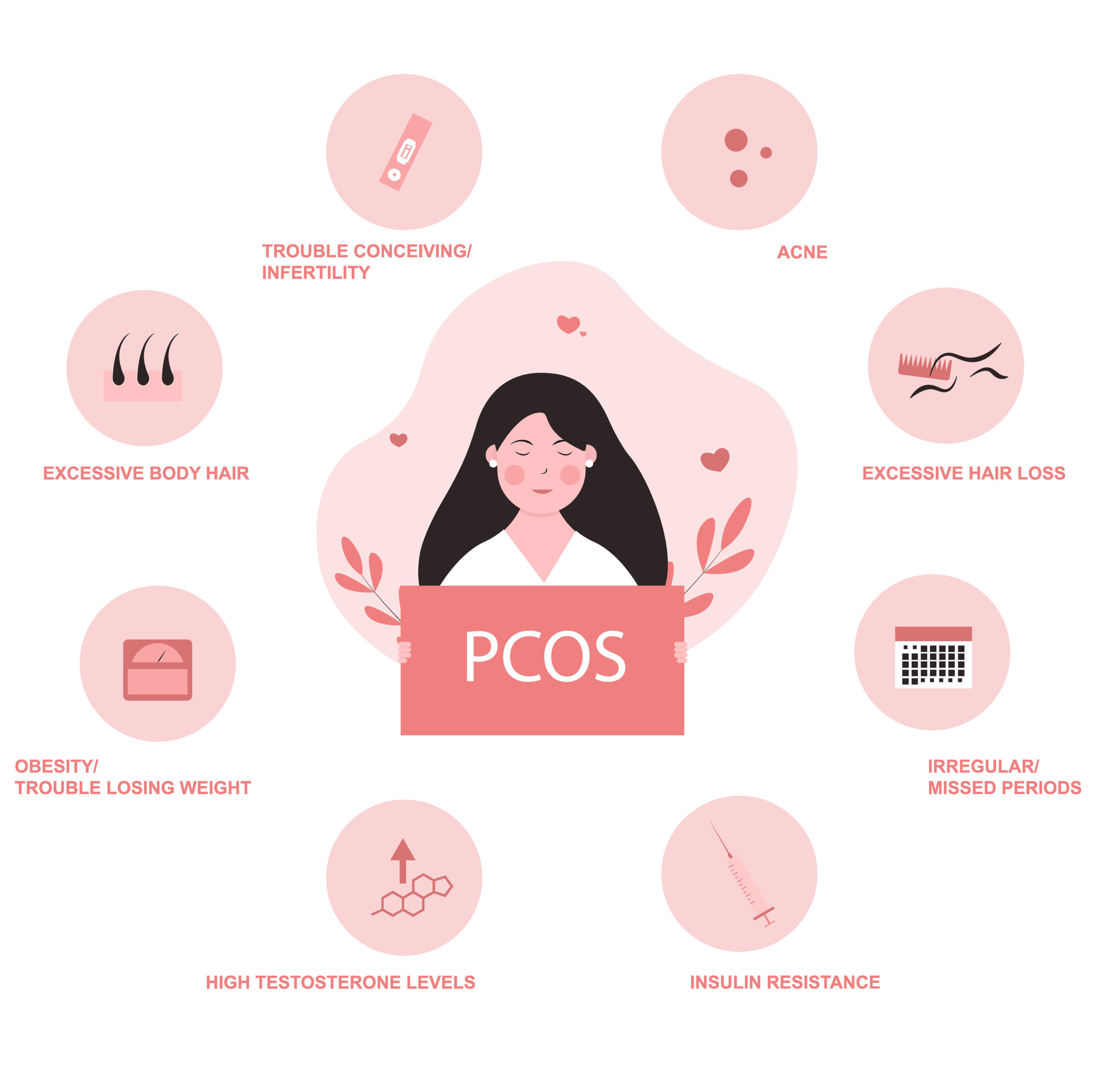
PCOS significantly impacts the skin primarily due to elevated androgens (like testosterone) and insulin resistance, which increase oil production, stimulate hair follicles, and cause other changes. These dermatological signs are among the most visible symptoms and affect 70-80% of women with PCOS.
Main Skin Effects of PCOS
1. Acne (Often Hormonal and Persistent)
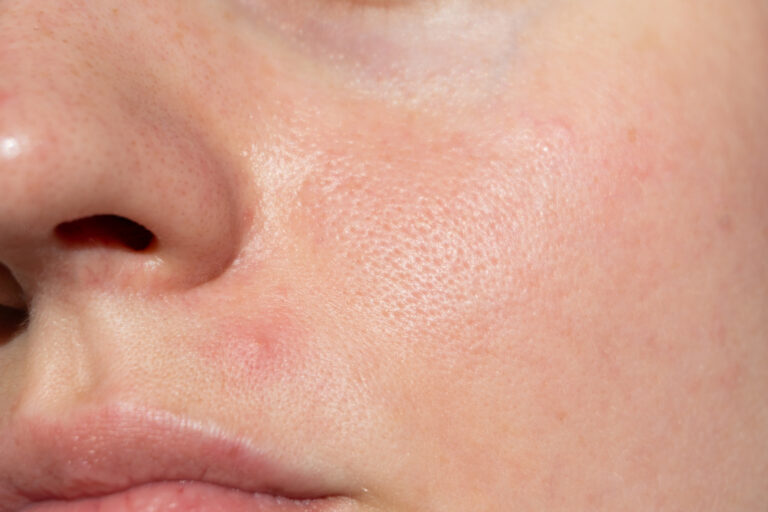
- Excess androgens boost sebum (oil) production, clogging pores and leading to inflammation.
- Typical pattern: Jawline, chin, lower face, neck, chest, and back. Lesions are often deeper, cystic, larger, and slower to heal than typical acne. It frequently flares around periods.
- Can be treatment-resistant and lead to scarring or post-inflammatory hyperpigmentation (especially in darker skin tones).
2. Hirsutism (Excessive Hair Growth)
- Androgens cause coarse, dark hair in male-pattern areas: upper lip, chin, chest, back, abdomen, and inner thighs.
- Affects up to 60-70% of women with PCOS. It can be distressing and often requires ongoing management.
3. Androgenic Alopecia (Hair Thinning on Scalp)
- Male-pattern baldness: Thinning at the crown, temples, or widening part.
- Driven by the same androgen excess.
4. Acanthosis Nigricans
- Dark, velvety, thickened patches of skin, usually in body folds (neck, armpits, groin, under breasts).
- Strongly linked to insulin resistance (common in PCOS). It’s a marker for higher diabetes risk.
5. Other Skin Changes
- Oily skin (seborrhea): Shiny complexion and increased breakouts.
- Skin tags: Small, benign growths in skin folds.
- Increased risk of hidradenitis suppurativa: Painful boils/abscesses in armpits/groin.
- Possible keratosis pilaris or uneven skin tone.
Why Does This Happen?
High androgens overstimulate sebaceous glands and hair follicles. Insulin resistance amplifies androgen production and contributes to acanthosis nigricans. Genetics and inflammation play roles too.
Management and Treatment
Treatment targets the root causes (hormones, insulin) and symptoms. A combined approach works best:
Lifestyle First — Weight loss (even 5-10%), low-glycemic diet, exercise, and stress management improve insulin sensitivity and reduce androgens, often clearing skin noticeably.
For Acne:
- Topical: Retinoids, benzoyl peroxide, azelaic acid.
- Oral: Combined birth control pills (lower androgens), spironolactone (anti-androgen), or short-term antibiotics/isotretinoin for severe cases.
For Hirsutism:
- Anti-androgens (spironolactone).
- Hair removal: Laser, electrolysis (most effective long-term).
- Topical eflornithine cream to slow growth.
For Acanthosis Nigricans — Focus on weight and insulin control (metformin often helps); topical creams for appearance.
Scalp Hair Loss — Minoxidil, anti-androgens, or other therapies.
See a dermatologist alongside your gynecologist or endocrinologist for personalized care. Many skin improvements take 3–6+ months.
This is general information, not medical advice. PCOS skin symptoms vary widely—professional evaluation is key, especially to rule out other conditions. If you have specific concerns (e.g., your skin type, current treatments, or photos/descriptions), share more for tailored suggestions! Reliable sources include Harvard Health, Cleveland Clinic, and dermatology guidelines.