
Salicylic Acid Benefits & Uses

Salicylic acid is a beta hydroxy acid (BHA). Unlike AHAs such as mandelic, lactic, or glycolic — which are water-soluble and work mainly on the surface — salicylic is oil-soluble. It dissolves into sebum and travels into the follicle, which is why it is the standard OTC ingredient for blackheads, whiteheads, and oily congestion.
It is also related to aspirin, so it has mild anti-inflammatory activity. FDA-recognized OTC acne use is 0.5–2%. That range is not “weak.” Contact time and pH matter more than chasing a higher number.
What it is good for
- Comedonal acne: blackheads and whiteheads. This is its strongest use. It loosens the keratin–sebum plug inside the pore instead of only polishing the surface.
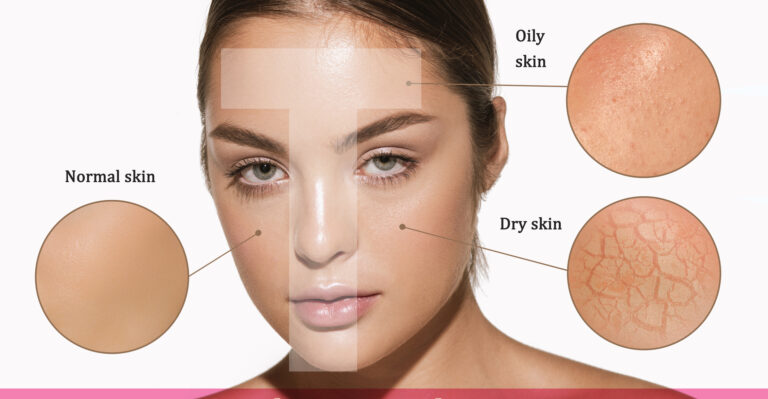
- Oily, congested, combination skin: can thin sticky sebum and keep the follicle lining from over-keratinizing.
- Mild inflammatory acne: helps some papules/pustules via anti-inflammatory and keratolytic effects, but it is usually weaker here than benzoyl peroxide. Expect more from clogs than from deep cysts.
- Texture and “pores looking smaller”: pores do not shrink, but cleared plugs and smoother lining make them look less obvious.
- Body: bacne, chest/back congestion, keratosis pilaris, ingrowns. A 2% wash with 30–60 seconds of contact is often more useful than another face serum.
It is not a pigment corrector the way mandelic or azelaic can be, and it is not a collagen AHA. Surface glow is a side effect of unclogging and light exfoliation, not the main job.
How it compares
| Salicylic | Mandelic | Azelaic | Benzoyl peroxide | |
|---|---|---|---|---|
| Type | BHA | AHA | Dicarboxylic acid | Peroxide |
| Where it works | Inside oily pores | Surface, slower AHA | Follicle + pigment + inflammation | Kills C. acnes |
| Best for | Blackheads, congestion | Sensitive skin, PIH, inflammatory acne | Inflammatory acne + marks + rosacea | Red, pus-filled pimples |
| Irritation | Drying if overused | Usually gentler | Often well tolerated | Dryness, bleaching fabric |
| Pregnancy (typical OTC) | ≤2% topical often accepted; skip peels | Generally preferred AHA | Often first-line | Often accepted |
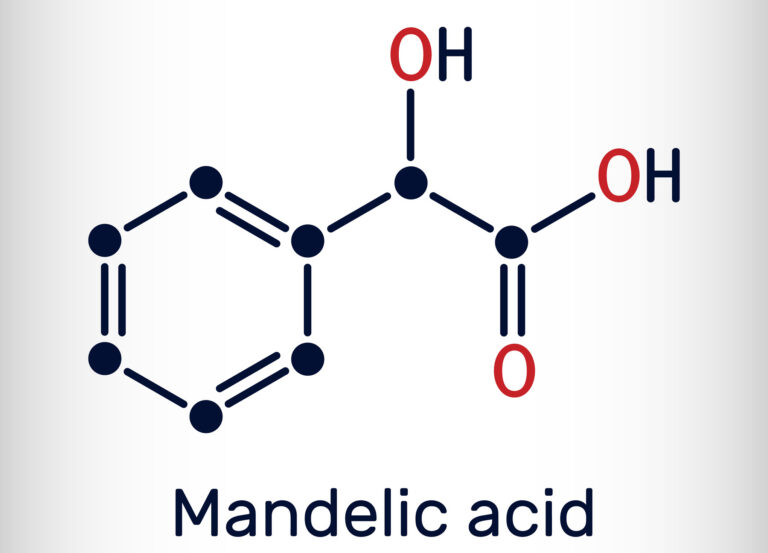
Salicylic vs mandelic in one line: salicylic clears the plug; mandelic is the gentler surface acid with extra antibacterial/PIH usefulness. They pair well because they are not doing the same job.
Strength, pH, and format
OTC leave-on products: 0.5–2%, most effective around pH 3–4. Above ~pH 4.5 it ionizes more and penetrates oil less well.
Format matters more than the label percentage:
- Cleanser (rinse-off): short contact. 1–2% is fine for daily use. Good with retinoids because it does not sit all night. A 2% wash is not equal to a 2% leave-on.
- Toner / liquid exfoliant / serum (leave-on): this is the real treatment. Paula’s Choice 2% BHA Liquid (pH ~3.2) is the classic benchmark.
- Spot treatment / pads / masks: short-contact or targeted. Useful, easy to overdo.
- Professional peels (15–30%): clinic only. Different risk profile from a 2% toner.
Betaine salicylate (common in some K-beauty liquids) is a milder BHA derivative, not a 1:1 swap for 2% free salicylic acid.
How to use it
- Start every other night with a leave-on, or daily with a cleanser if the barrier is solid.
- Apply on clean, dry skin. Wait a minute, then moisturize. Dryness is the usual limiter — do not skip cream.
- Do not stack a leave-on BHA the same night as a retinoid, another AHA, or strong vitamin C until tolerance is proven. Safer splits:
BHA cleanser PM → retinoid
Leave-on BHA on alternate nights from tret/adapalene
BHA AM, retinoid PM only if the barrier is quiet - Azelaic after a rinsed BHA cleanser is usually fine; two leave-ons in one routine is more load.
- SPF in the morning. Less photosensitizing than glycolic, still not a free pass.
Timeline: less oil/shine in days; blackheads and bumpiness over 4–12 weeks. A short “purge” of existing microcomedones can look like more breakouts for 1–3 weeks.
Side effects and cautions
Common: tightness, flaking, dryness, mild sting. That is barrier stress, not proof it is “working harder.”
Stop or cut back for burning that lasts, rawness, or a spreading rash. Aspirin/salicylate allergy is a real reason to avoid it. Do not use on broken skin, and do not cover large body areas with high-strength leave-ons.
Pregnancy: ACOG/AAD generally accept topical ≤2%, especially rinse-off and small-area use. Avoid high-strength peels, wart removers, and slathering leave-on BHA over large body surface. Azelaic is the usual swap if you want to be conservative. Confirm with your clinician.
Product types that make sense
- Leave-on liquids: Paula’s Choice 2% BHA Liquid Exfoliant; Cosrx BHA Blackhead Power Liquid (betaine salicylate, milder).
- Simple 2% serums: The Inkey List BHA Serum.
- Cleansers for stacking with retinoids: CeraVe Acne Foaming Cream Cleanser, Inkey Salicylic Acid Cleanser.
- Body: 2% SA washes left on 30–60 seconds.
If the main problem is red inflamed pimples, add benzoyl peroxide or azelaic rather than just raising the BHA percentage. If the main problem is marks after acne, mandelic or azelaic does more than salicylic alone.