Glycolic Acid Skincare Benefits Explained

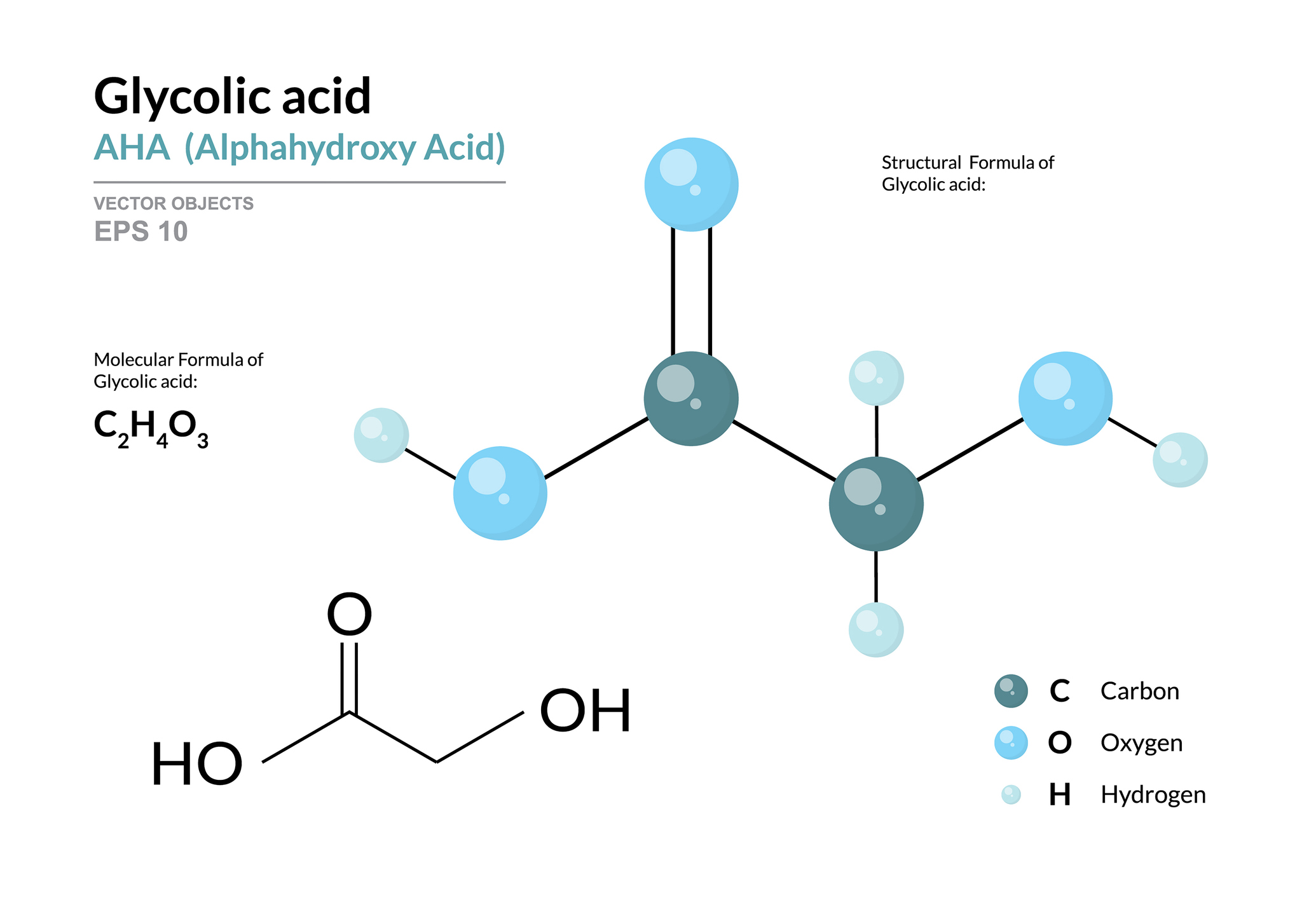
Glycolic acid is one of the most popular and effective alpha hydroxy acids (AHAs) used in skincare. Derived primarily from sugarcane, it has the smallest molecular size among AHAs, allowing it to penetrate the skin deeply and work efficiently as a chemical exfoliant.
How Glycolic Acid Works
It loosens the bonds between dead skin cells in the outermost layer (stratum corneum), promoting their shedding. This accelerates cell turnover, revealing brighter, smoother skin underneath. It also stimulates collagen production, which helps with firmness and reduces signs of aging.
Key Benefits
- Exfoliation and brightening — Removes dullness for a more radiant complexion.
- Anti-aging — Reduces fine lines, wrinkles, and sun damage by boosting collagen.
- Acne and acne scars — Helps unclog pores and fade post-acne marks (effective for mild to moderate acne).
- Hyperpigmentation and dark spots — Evens skin tone and fades discoloration.
- Improved texture and absorption — Smoother skin that better absorbs other skincare products.
It is particularly useful for photoaged skin, uneven texture, and dullness.
How to Use It
Concentrations:
- <5-8%: Beginner-friendly or sensitive skin (toners, daily use).
- 8-10%: Good for most users targeting texture/aging.
- >10%: Professional peels only (use under dermatologist supervision).
- Frequency: Start 2–3 times per week at night (on clean, dry skin). Build tolerance gradually. Many can use it daily once adjusted.
- Forms: Toners, serums, creams, masks, or peels.
- Patch test first and introduce slowly.
Essential tip: Always wear broad-spectrum SPF 30+ daily (reapply as needed). Glycolic acid increases sun sensitivity.
Potential Side Effects and Precautions
Common side effects include redness, stinging, dryness, peeling, itching, or increased sensitivity. These are more likely with high concentrations, overuse, or sensitive/dry skin.
Rarely: swelling, rash, or burns if misused. Avoid combining with strong retinoids, other exfoliants (like high-strength salicylic acid), or vitamin C initially to prevent irritation. Not ideal for very sensitive, compromised, or eczema-prone skin without guidance. Pregnant/breastfeeding individuals should consult a doctor.
Glycolic vs. Other Acids
- Vs. Lactic Acid (another AHA): Lactic acid is larger, gentler, and more hydrating—better for beginners or dry/sensitive skin. Glycolic penetrates deeper and works faster but can irritate more.
- Vs. Salicylic Acid (BHA): Salicylic is oil-soluble and better for acne-prone/oily skin (penetrates pores deeply). Glycolic excels at surface exfoliation, brightening, and anti-aging.
Many routines combine them carefully (e.g., glycolic at night a few times a week, salicylic as needed).
Here are some of the top-rated and best-selling glycolic acid products on Amazon. Glycolic acid (an AHA) excels at chemical exfoliation, improving texture, brightness, reducing fine lines, dark spots, and acne. Concentrations typically range from 5–10% for daily use (higher for peels, used less often).
| Rank/Product | Key Ingredients & % | Rating / Reviews | Price Range (approx.) | Highlights | Best For |
|---|---|---|---|---|---|
| The Ordinary Glycolic Acid 7% Exfoliating Toner | 7% Glycolic Acid | 4.7 stars (50K+ reviews) | ~$10–15 | Top best-seller; daily toner for smoothing & brightening | All skin types, beginners, texture & dullness; very affordable |
| L’Oréal Paris Revitalift 10% Pure Glycolic Acid Serum | 10% Pure Glycolic Acid + Aloe | 4.5 stars (9K+ reviews) | ~$20–30 | Dermatologist-validated; fragrance-free, soothing formula | Dark spots, wrinkles, even tone; daily use, sensitive skin |
| Drunk Elephant T.L.C. Framboos Glycolic Night Serum | 10% AHA (Glycolic) + 1% BHA | 4.5–4.6 stars (high volume) | ~$80–90 | Premium gel with fruit extracts & antioxidants | Congested skin, pores, fine lines; nighttime resurfacing |
| Pixi Glow Tonic | 5% Glycolic Acid + Ginseng, Aloe | 4.6–4.7 stars (thousands) | ~$15–25 | Cult-favorite toner; gentle daily exfoliation | Brightening, glow, all skin types; lightweight |
Other Notable Mentions
- Good Molecules Glycolic Toner or Advanced Clinicals 10% Glycolic Serum — Budget-friendly with solid reviews for exfoliation and pores.
- La Roche-Posay Glycolic B5 Serum — Often paired with kojic acid/tranexamic for dark spots; great for sensitive skin.
- Paula’s Choice Skin Perfecting 8% AHA Gel — Effective, pH-balanced option for texture.
- Pads/peels like Skincare Company Glycolic Acid Pads for occasional stronger treatment.
Quick Buying Tips
- Concentration & pH — 5–10% for daily serums/toners. Start low (e.g., 2–3x/week) to avoid irritation; always follow with moisturizer and SPF 30+ (glycolic increases sun sensitivity).
- Form — Toners for gentle daily use; serums for targeted treatment; night formulas often include soothing ingredients.
- Skin Type — Most suit normal/oily/combo; sensitive skin should choose buffered formulas with aloe or hyaluronic acid. Patch test!
- Results — Smoother, brighter skin in 1–4 weeks; full benefits (faded spots, reduced lines) in 4–8 weeks with consistency.
Safety note: Use sunscreen daily. Avoid combining with strong retinoids initially. Consult a dermatologist for severe concerns, high concentrations, or if pregnant.
Look for formulas with soothing ingredients like niacinamide or hyaluronic acid to buffer irritation.
Consult a professional for personalized advice, especially for higher strengths or if you have skin conditions. Results typically appear in 4–12 weeks with consistent use. Start low and slow for best results!