Oily Skin: Causes & Skincare Routine

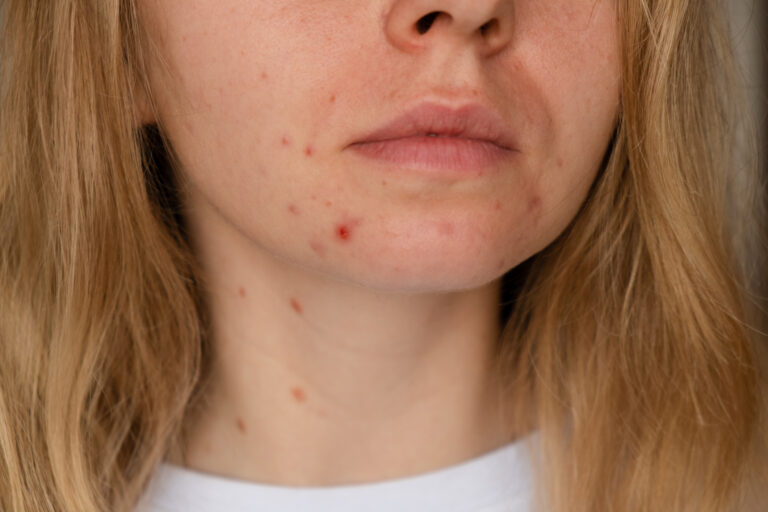
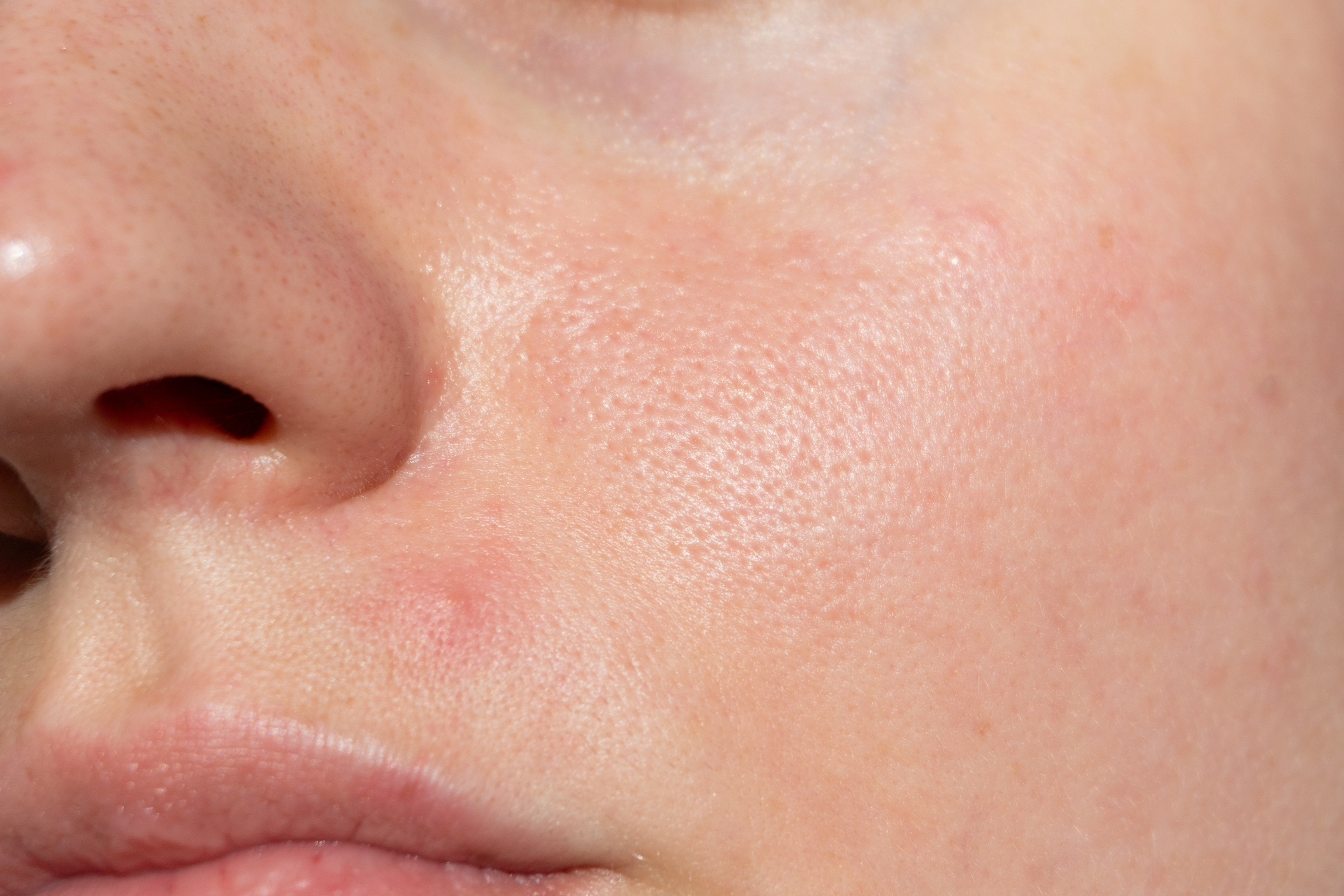
Oily skin happens when your sebaceous glands produce excess sebum (natural oil), leading to a shiny or greasy appearance, enlarged pores, and a higher chance of blackheads, whiteheads, or breakouts. It often feels slick, especially in the T-zone (forehead, nose, chin), and can affect the whole face.
Common Causes
- Genetics: Overactive oil glands can run in families.
- Hormones: Fluctuations (puberty, menstrual cycle, stress) ramp up production.
- Environment/lifestyle: Hot/humid weather, stress, or even over-cleansing (which strips skin and triggers rebound oil).
- Other factors: Diet high in high-glycemic foods or dehydration can play a role indirectly.
Note: True oily skin shines across the face. If only the T-zone is oily and cheeks feel drier, you might have combination skin instead.
Key Skincare Routine for Oily Skin
The goal is to control shine and unclog pores without over-drying your skin — harsh stripping actually makes oil production worse. Professionals recommend a simple, consistent routine with oil-free, non-comedogenic (won’t clog pores) products. Cleanse gently (no scrubbing) up to twice a day and after sweating.
Morning Routine
- Gentle cleanser — Use a foaming or gel-based one (look for salicylic acid or glycolic acid for mild exfoliation).
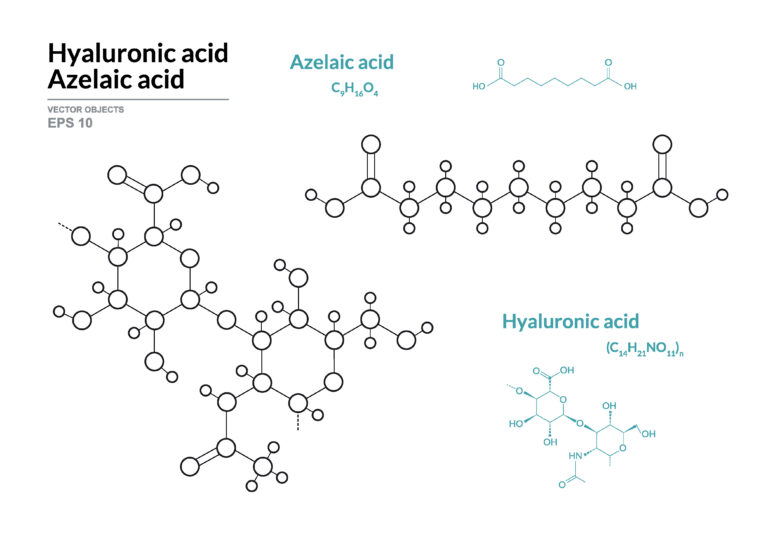
- Lightweight treatment (optional) — Niacinamide, hyaluronic acid serum, or vitamin C to help regulate oil and brighten.
- Oil-free moisturizer — Yes, even oily skin needs hydration to prevent rebound oil. Choose gel or lightweight formulas.
- Broad-spectrum sunscreen (SPF 30+) — Oil-free, matte-finish, non-comedogenic (mineral or chemical, whichever suits you).
Evening Routine
- Gentle cleanser — Remove the day’s oil, dirt, and makeup.
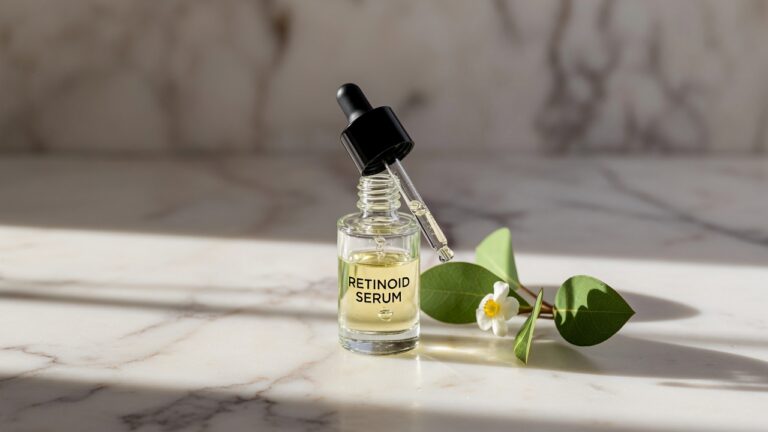
- Exfoliating treatment — Salicylic acid (BHA) toner or serum to penetrate pores and reduce oil/blackheads. Or introduce a retinoid/retinol (start slow, 2–3x/week) for oil regulation and anti-aging.
- Light moisturizer — Same as morning, or a slightly richer nighttime version if skin feels tight.
- Spot treatments (if needed) — Benzoyl peroxide or sulfur for breakouts.
Weekly add-ons: Clay or charcoal masks (1–2x/week) to absorb excess oil. Avoid daily masks.
Helpful Ingredients
- Salicylic acid (BHA): Dissolves oil in pores.
- Niacinamide: Balances oil, minimizes pores, calms skin.
Retinoids/retinol: Long-term oil control and cell turnover (use sunscreen daily with these). - Glycolic/lactic acid: Gentle exfoliation.
- Benzoyl peroxide: For acne-prone oily skin.
- Avoid: Heavy oils, alcohol-based products, or harsh soaps.
Quick Tips to Manage Oily Skin
- Pat dry gently — never rub.
- Use blotting papers midday if needed, but don’t rely on them as a fix.
- Drink plenty of water and eat a balanced, lower-glycemic diet (less processed sugar/refined carbs).
- Manage stress (it spikes hormones).
- Don’t skip moisturizer or sunscreen — dehydration worsens oiliness.
- Change pillowcases often and keep hands off your face.
- If you wear makeup, choose oil-free, non-comedogenic formulas.
Popular Product Recommendations (2026)
Many professional-favored options include:
- Cleansers: Gentle foaming ones like La Roche-Posay Effaclar or CeraVe Foaming Facial Cleanser.
- Moisturizers: Lightweight gels with niacinamide (e.g., from CeraVe, Neutrogena Hydro Boost gel-cream, or Paula’s Choice).
- Sunscreens: Matte, oil-free formulas from La Roche-Posay or EltaMD.
- Treatments: The Ordinary Niacinamide, salicylic acid serums, or gentle retinoids.
Start simple — introduce one new product at a time to avoid irritation. Results take consistency (4–6 weeks for noticeable changes).
Top spa treatments for oily skin focus on controlling excess sebum, unclogging pores, reducing shine, and preventing breakouts without over-drying the skin. These are typically customized facials, peels, or advanced therapies offered at spas and medspas. Oily skin (often acne-prone or combination) benefits from oil-absorbing, exfoliating, and balancing ingredients like salicylic acid (BHA), clay, niacinamide, and gentle AHAs.
Here are the most recommended professional treatments, based on esthetician and dermatologist insights:
Deep Cleansing or Purifying Facials (with Extractions)
These are classics for oily, congested skin. They involve thorough cleansing, steam (or gentle alternatives), exfoliation, manual extractions of blackheads/whiteheads, and oil-absorbing masks.
Benefits: Clears pores, reduces oil buildup, minimizes breakouts, and leaves skin matte.
Often includes clay or charcoal masks for detoxifying. Great as a regular maintenance treatment.
Clay/Charcoal Masks or Detox Facials
Clay masks (kaolin, bentonite, or green clay) or charcoal-based treatments absorb excess oil, draw out impurities, and refine pores. Often combined with a full facial.
Benefits: Immediate mattifying effect, reduces shine, soothes inflammation, and prevents congestion. Excellent for quick results before events.
Salicylic Acid or Chemical Peels (e.g., Fruit Acid, TCA, Mandelic, or Glycolic)
Light to medium chemical peels using salicylic acid (oil-soluble, penetrates pores deeply), glycolic acid, or similar. Salicylic peels are especially ideal for oily/acne-prone skin.
Benefits: Exfoliates inside pores, controls oil production, reduces blackheads, smooths texture, and fades post-acne marks. Minimal to moderate downtime depending on strength.
HydraFacial (or Hydrodermabrasion/Vortex Facials)
A multi-step, non-invasive treatment using vortex technology for gentle exfoliation, extraction, and infusion of serums (often with salicylic acid or antioxidants).
Benefits: Deeply cleanses without irritation, removes oil/debris, hydrates lightly to balance skin (preventing rebound oiliness), and improves clarity with little to no downtime. Very popular for oily skin.
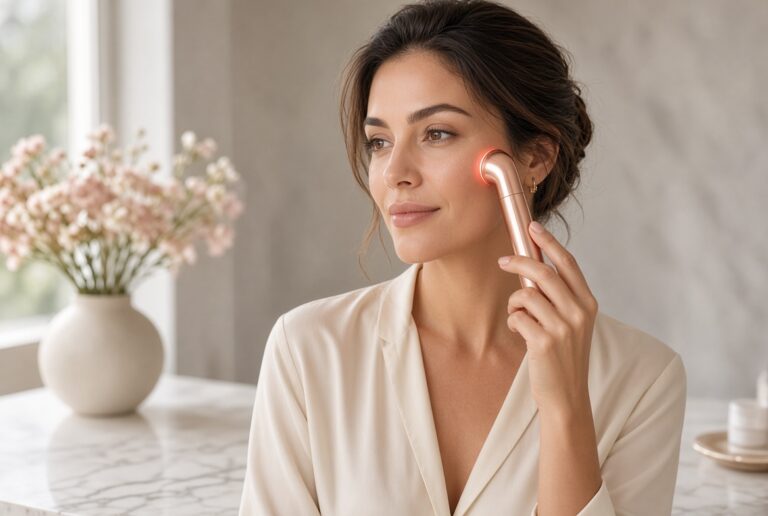
LED Light Therapy (Blue/Red Light) Facials
Often added to facials or done as a standalone/add-on. Blue light targets acne bacteria; red light reduces inflammation.
Benefits: Kills bacteria causing breakouts, regulates oil, calms skin, and improves overall tone without physical exfoliation. Gentle and relaxing.
Other Effective Options
Microdermabrasion: Mechanical exfoliation to remove dead skin and control oil with minimal downtime.
Enzyme or Clarifying Facials: Use fruit enzymes for gentle exfoliation and oil control, ideal for sensitive oily skin.
Acne-Specific or Mandelic Peel Facials: Targeted for breakouts and oil regulation.
Quick Tips for Best Results
- Frequency: Every 4–6 weeks for maintenance; consult an esthetician or dermatologist for customization, especially if you have acne or sensitivity.
- Post-treatment: Use oil-free, non-comedogenic products at home and always wear sunscreen (mattifying formulas are best).
Results improve with a consistent routine; professional treatments work best alongside proper daily care.
If oily skin comes with persistent acne, large cysts, or doesn’t improve with basic care, see a professional. They can prescribe stronger options like topical retinoids, spironolactone (for hormonal cases), or other treatments.
Oily skin has upsides too — it often ages more slowly with fewer fine lines thanks to natural lubrication. With the right routine, you can keep the shine in check and enjoy clearer skin.