Tranexamic Acid for Skin Hyperpigmentation

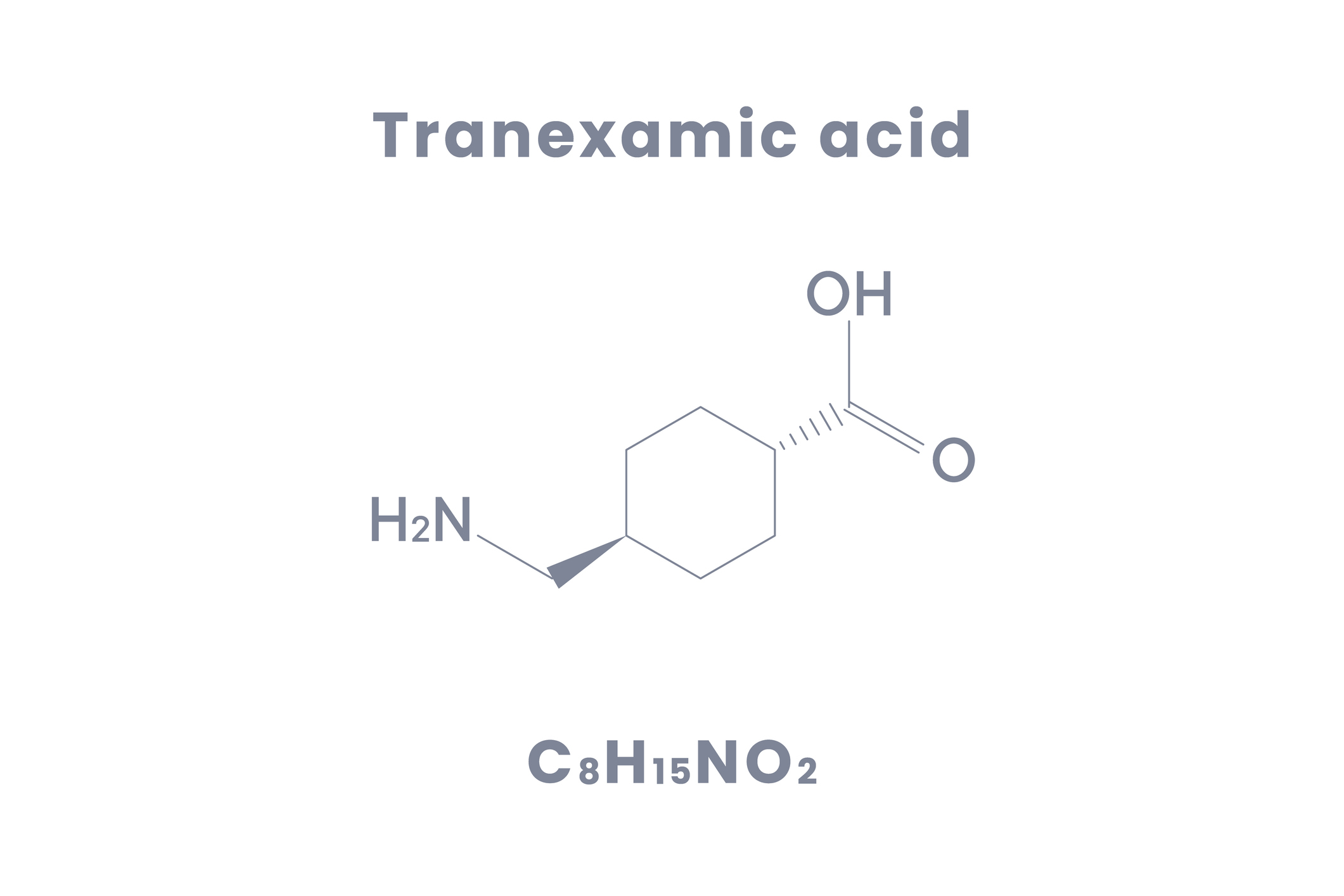
Tranexamic acid (TXA) is a synthetic derivative of the amino acid lysine. It’s gaining popularity in skincare for treating hyperpigmentation, especially melasma, dark spots, post-acne marks, and sun-induced discoloration. It originated as a medication to control bleeding (antifibrinolytic) but works well topically or orally for skin concerns.
How It Works for Skin
Tranexamic acid interrupts the plasminogen/plasmin pathway, which reduces melanin production by blocking interactions between melanocytes (pigment-producing cells) and keratinocytes. It also has anti-inflammatory effects that help calm skin and prevent UV-triggered pigmentation. This makes it effective for stubborn discoloration without strong exfoliation (unlike AHAs/BHAs).
Key Benefits
- Fades hyperpigmentation and melasma — Often rivals or complements ingredients like hydroquinone, vitamin C, or niacinamide. Studies show noticeable improvement in 8–12 weeks.
- Evens skin tone and brightens — Reduces dark spots and post-inflammatory hyperpigmentation (PIH) from acne or irritation.
- Gentle on skin — Suitable for most skin types, including sensitive and those prone to irritation. It can strengthen the skin barrier and reduce redness.
- Compatible with other actives — Pairs well with vitamin C, niacinamide, retinol, and kojic acid.
Results vary by individual and severity. Oral forms often show stronger effects for melasma, while topical works well for maintenance or milder issues.
Topical vs. Oral Use
| Form | Typical Concentration/Dose | Pros | Cons | Best For |
|---|---|---|---|---|
| Topical (serums, creams) | 2–5% | Easy to use, minimal systemic absorption, few side effects | Slower/milder results than oral | Daily maintenance, sensitive skin, mild pigmentation |
| Oral (pills, prescription) | 250 mg 1–2x daily | Faster, more significant improvement in melasma | Potential GI upset, requires doctor monitoring (e.g., clotting risk) | Moderate-severe/refractory melasma |
Topical is available over-the-counter in many serums (e.g., from The Inkey List, Paula’s Choice, Naturium). Oral is off-label for skin and should only be used under dermatologist supervision. See also: top-rated and best-selling tranexamic acid (TXA) products.
Side Effects and Safety
- Topical: Generally very safe. Mild irritation, dryness, redness, or flaking can occur (rare). No major systemic risks.
- Oral: More effective but can cause nausea, headache, or (rarely) menstrual changes. There’s a theoretical clotting risk, so it’s contraindicated for those with clotting disorders, on certain meds, or with history of thrombosis—always get medical clearance.
- Safe for most skin types and often used during pregnancy (topical), but consult a doctor. Patch test topical products.
How to Use It
- Start with a topical serum (2–5%) once daily, building to twice if tolerated. Apply after cleansing, before moisturizer.
- Always use broad-spectrum sunscreen (SPF 30+) daily—pigmentation worsens with UV exposure.
- Combine with gentle routines; avoid over-exfoliating initially.
- Expect gradual results over 8+ weeks. For best outcomes, pair with other brighteners or professional treatments like chemical peels/microneedling.
Consult a professional for persistent melasma, especially before oral use or if you have underlying conditions. It’s not a cure but an excellent long-term management tool. Many users see significant fading of dark spots with consistent use.