Korean Skin Boosters A Rapidly Growing Trend

Yes — Korean skin boosters are a major and rapidly growing trend, both domestically in South Korea and internationally as part of the broader K-beauty/medical aesthetics wave.
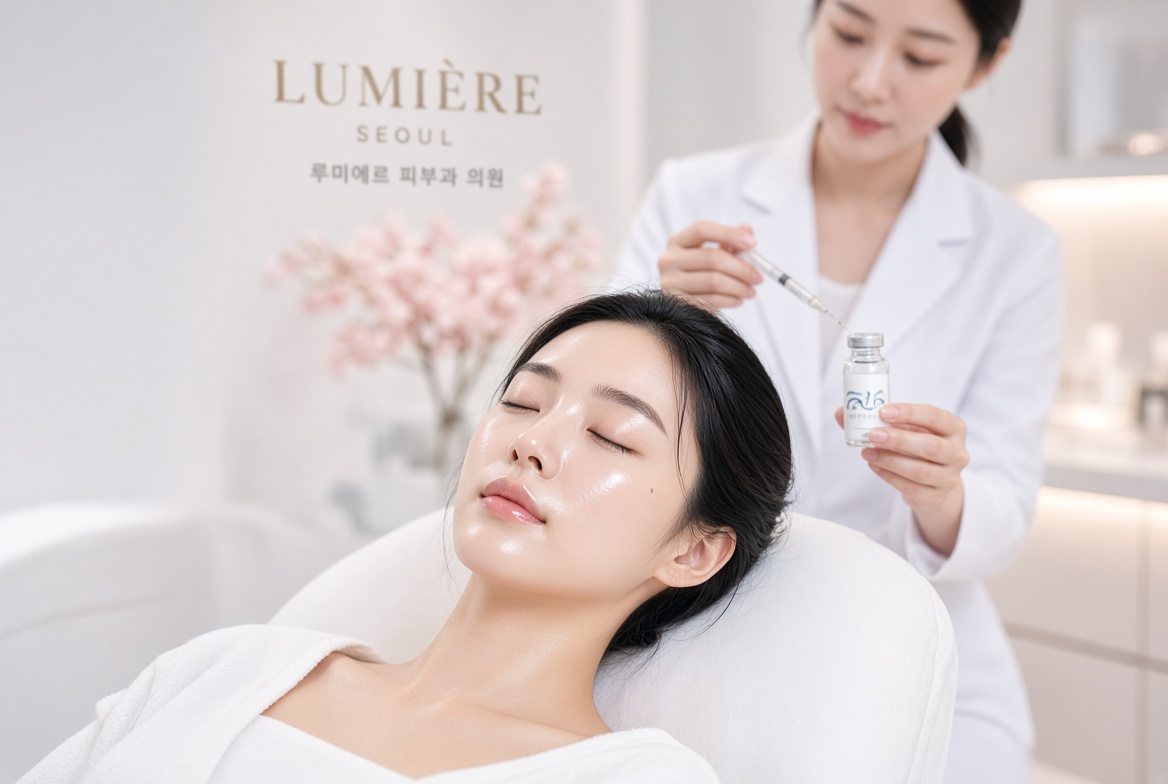
Skin boosters are injectable treatments that improve skin quality (hydration, texture, fine lines, glow, elasticity, and repair) rather than adding volume or changing facial shape the way traditional dermal fillers do. They are typically given as a series of micro-injections (often 2–4 sessions spaced weeks apart) across the face or targeted areas, with minimal downtime.
Main Types Popular in Korea
| Type | Key Ingredient/Example | Best For | Notes |
|---|---|---|---|
| Hyaluronic Acid (HA) boosters | Non- or lightly cross-linked HA (e.g., Skinvive, various “Chanel-style” or mesotherapy cocktails) | Dehydration, dullness, fine lines, quick glow | Immediate hydration effect; results more temporary |
| Polynucleotide (PN) / PDRN | Salmon-derived DNA fragments (e.g., Rejuran Healer, Eye, etc.) | Thin/sensitive skin, pores, redness, under-eyes, barrier repair | “Salmon DNA” treatment; signals repair via pathways like adenosine A2A; gradual improvement |
| Collagen-stimulating hybrids | PDLLA + HA (e.g., Juvelook Skin/Volume) | Texture, pores, shallow acne scars, crepey skin, mild laxity | Immediate HA hydration + gradual collagen build over weeks/months; longer-lasting results |
| Exosomes & combination cocktails | Various growth-factor or nutrient mixes | Overall glow, recovery support | Often combined with other treatments |
| Emerging ECM / human-derived | Acellular dermal matrix from processed human tissue (e.g., Elravie Re2O / Rituo and similar) | Regenerative claims for structure & quality | Fast-growing niche with strong marketing, but thinner clinical evidence and regulatory questions |
Rejuran (launched by PharmaResearch around 2014) remains a market leader (often cited with a large share of the Korean booster category), while Juvelook has risen quickly as a hybrid option. Clinics frequently combine them or pair them with lasers, microneedling, or other devices.
Injectable skin boosters deliver stronger, more targeted results than topical versions, but topicals still have a practical role.
The core difference is delivery depth and concentration.
Key Differences
| Aspect | Injectable Skin Boosters | Topical Products (serums, ampoules, creams) |
|---|---|---|
| Delivery | Placed directly into the dermis via micro-injections or devices | Applied to the surface; must cross the skin barrier |
| Depth | Mid-to-deep dermis (where fibroblasts live) | Primarily epidermis / upper layers |
| Typical ingredients | Higher-dose PN/PDRN (e.g., Rejuran), HA, PDLLA hybrids (Juvelook), exosomes, etc. | Lower-concentration or modified PDRN/PN (e.g., c-PDRN), HA, supporting actives |
| Evidence | Stronger clinical data for texture, elasticity, pores, fine lines, and repair | More limited; mostly surface hydration, soothing, and barrier support |
| Results timeline | Noticeable after a course of 2–4 sessions | Gradual with consistent daily use (weeks to months) |
| Intensity | Higher local dose and more structural/repair effect | Milder, cumulative surface benefits |
| Downtime & access | Mild redness/bumps for 1–3 days; clinic-only | None; at-home use |
| Cost | Higher per session (often hundreds of USD in Korea) | Lower ongoing product cost |
Why Injectables Are More Effective for “Skin Booster” Goals
Large DNA fragments (PDRN/PN) and many other active materials do not penetrate the intact stratum corneum in meaningful amounts when applied topically. Injectables bypass the barrier and place the material where collagen-producing fibroblasts and the extracellular matrix are active.
Most of the published clinical improvements in skin quality, elasticity, fine lines, and texture come from intradermal (injectable) protocols, not pure topicals. One practical summary from clinic guides estimates well-formulated topicals may achieve roughly 15–30% of the biological effect of injections—useful, but not equivalent.
Where Topicals Still Matter
- Daily maintenance and barrier support between or after injectable sessions
- Mild hydration, soothing, and glow
- Post-procedure recovery (lasers, microneedling, peels)
- Entry point or alternative for people who prefer no needles
- Better formulations (smaller fragments, delivery enhancers, or use with microneedling) can improve results somewhat
Korean clinics often treat the two as complementary: injectables for the main regenerative work and topical PDRN/PN products for ongoing home care.
Bottom line: If the goal is measurable improvement in skin quality, texture, or repair (the classic skin-booster effect), injectables are the more effective option. Topicals are better viewed as supportive skincare rather than a true substitute.
In United States spas and medspas, the situation is more limited than in Korea, mainly due to FDA regulation.
Injectable Options
- Skinvive by Juvéderm is the only FDA-approved hyaluronic acid skin booster in the US. It is indicated for improving cheek skin smoothness (approved 2023) and, more recently, for neck lines. It is available in medspas and clinics and works via microdroplet intradermal injection for hydration and texture.
- Korean injectables like Rejuran (PN/PDRN), Juvelook (PDLLA + HA), and similar polynucleotide or biostimulator skin boosters are not FDA-approved for injection in the United States. They lack the required Premarket Approval (PMA) as dermal fillers or skin boosters. Clinics cannot legally market or administer them as approved injectables. Any offering of these as true injections would fall outside current FDA clearance.
What US Spas Typically Offer Instead
US medspas and aesthetic clinics widely provide topical or microneedling-assisted versions of PDRN/PN (“salmon DNA”) treatments:
- PDRN or polynucleotide serums applied during or after microneedling (SkinPen, Potenza, Morpheus8, etc.), RF microneedling, or other devices. This creates temporary channels that help the product penetrate better than pure topical application.
- These are marketed as “salmon DNA facials,” “PDRN microneedling,” or regenerative facials. They are popular in major cities (NYC, LA, Miami, etc.) and often priced in the several-hundred-dollar range per session.
- Topical PDRN/PN products themselves are available as cosmetics (under MoCRA rules) for professional use or home care. They are not intended for injection.
Some clinics also use other FDA-cleared or off-label approaches for skin quality (PRP, certain HA products, biostimulators like Sculptra or Radiesse in appropriate contexts), plus devices for collagen stimulation.
Practical Comparison in the US Context
| Approach | Availability in US Spas | Notes |
|---|---|---|
| True injectable skin boosters (e.g., Rejuran-style PN) | Not FDA-approved; not standard | Medical tourism to Korea is common for these |
| Skinvive (HA) | Widely available | Only approved HA skin booster |
| Topical PDRN/PN + microneedling | Common | Closest practical equivalent; milder effect than true injectables |
| Pure topical PDRN products | Widely available | Supportive/maintenance role |
Key Context & Caveats
- Vs. fillers: Boosters focus on skin quality and hydration/repair; fillers primarily add structure and volume. They solve different problems and are sometimes used together.
- Evidence: HA and established PN products have more clinical history; newer categories (especially certain ECM products derived from processed human tissue) have faced questions around safety verification, regulatory classification, and the strength of supporting data relative to marketing claims.
- Availability: Many of the signature Korean formulations (especially Rejuran and Juvelook) are widely available in Korean clinics and some other markets but are not FDA-approved for injection in the U.S., which is one reason medical tourism to Seoul remains popular for these treatments.
- Practical notes: Results are generally gradual and cumulative rather than instant; downtime is typically mild (redness, small bumps for a day or two). Pricing in Seoul varies by product, volume, and clinic but is often more accessible than equivalent treatments elsewhere.
In short, skin boosters align closely with K-beauty’s emphasis on hydrated, refined, healthy-looking skin achieved through regenerative approaches rather than dramatic volume changes. The category continues to evolve quickly with new ingredient technologies. If you’re looking at specific products, skin concerns, or comparisons (e.g., Rejuran vs. Juvelook), more detail is available.