Eyebrow Loss Causes & Solutions

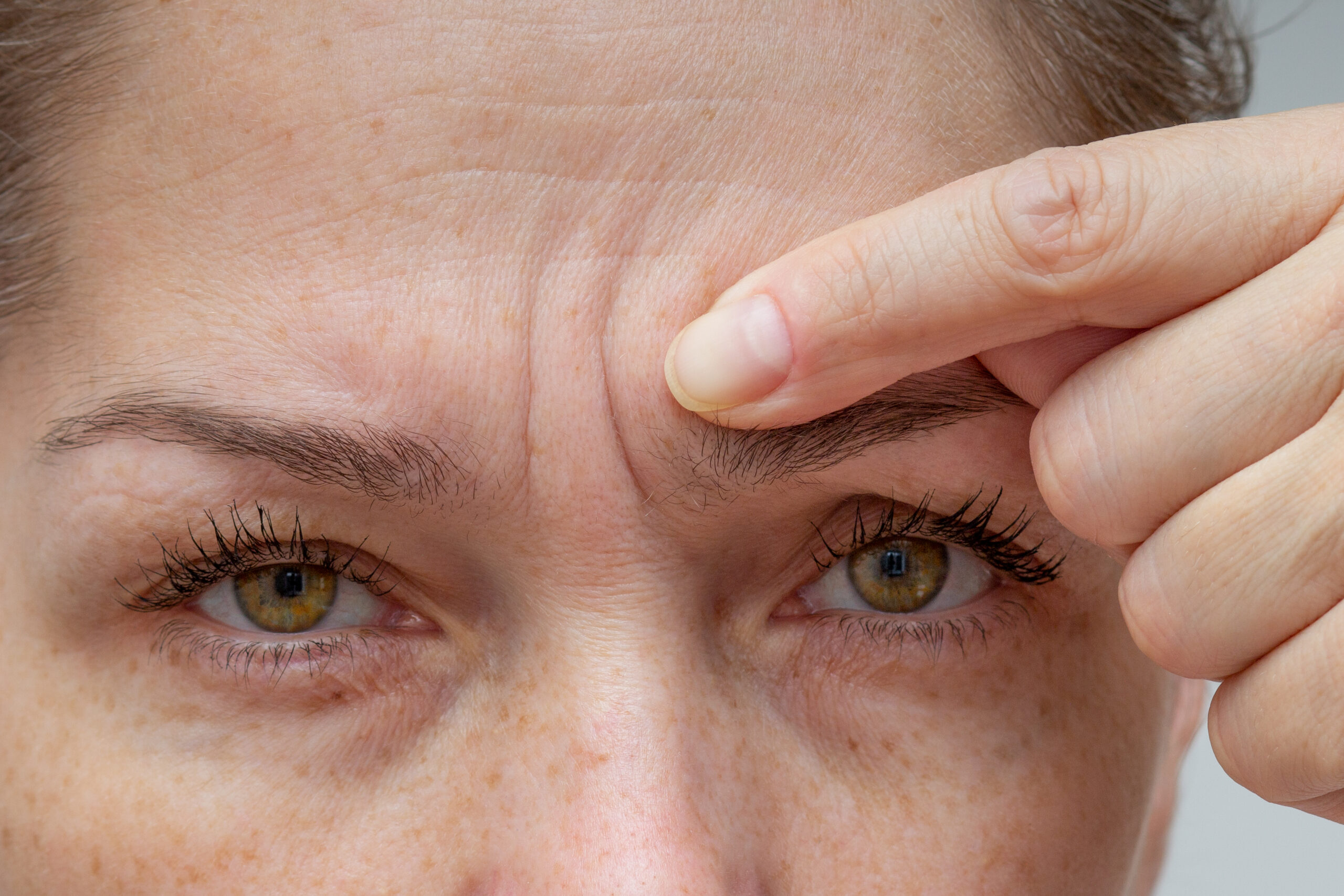
Eyebrow loss (madarosis) is thinning or shedding of eyebrow hair. It can be partial or complete, temporary or permanent, and is often a symptom of an underlying issue rather than a standalone condition.
It is classified as non-scarring (follicles intact, regrowth often possible once the cause is addressed) or scarring (follicles permanently damaged).
Common Causes
- Aging: Natural thinning and finer hairs as the growth cycle slows.
- Trauma from grooming: Repeated over-plucking, waxing, threading, or harsh removal can damage follicles over time; many recover if left alone for months.
- Thyroid disorders: Hypothyroidism (underactive) classically causes loss of the outer third of the brows (Hertoghe or Queen Anne’s sign); hyperthyroidism can also contribute.
- Alopecia areata: Autoimmune attack on hair follicles, often causing patchy loss that can affect brows (and sometimes lashes or scalp).
- Nutritional deficiencies: Low iron (common), zinc, biotin, vitamin D, or other nutrients can impair hair growth.
- Skin conditions: Eczema/atopic dermatitis, seborrheic dermatitis, psoriasis, or rosacea causing inflammation around the follicles.
- Infections: Fungal (e.g., tinea/ringworm), bacterial, or others (less commonly syphilis or others).
- Medications or treatments: Chemotherapy, radiation, certain drugs, or rarely other exposures.
- Other: Frontal fibrosing alopecia (scarring, often starts with brows), trichotillomania (compulsive pulling), stress-related shedding (telogen effluvium), hormonal changes, or rarely genetic/systemic conditions.
Multiple factors can overlap (e.g., age + mild thyroid imbalance + history of plucking).
When to See a Doctor
Consult a primary care doctor or dermatologist promptly if:
- Loss is sudden, rapid, patchy, or one-sided.
- Accompanied by scalp hair loss, eyelash loss, itchy/red/scaly/inflamed skin, fatigue, weight changes, feeling unusually cold/hot, or other systemic symptoms.
- Skin looks scarred, shiny, or smooth with no visible follicles.
- It persists despite stopping trauma/grooming for several months.
Early evaluation helps distinguish reversible from permanent causes. Typical workup may include history/exam, thyroid function tests, iron studies/ferritin, other nutrient levels, and sometimes trichoscopy or biopsy.
Management Overview
Treatment targets the underlying cause:
- Correct thyroid imbalance, deficiencies, or treat skin/infection issues.
- Stop further trauma (no plucking/waxing for at least 8–12 weeks).
- For autoimmune causes like alopecia areata: topical or injected corticosteroids, and in some cases other immunomodulators (under specialist care).
- Off-label options sometimes used for regrowth (e.g., topical minoxidil) after medical clearance—results vary and take months.
- Cosmetic bridging: pencils, powders, gels, microblading (once active inflammation is controlled), or temporary tattoos.
- Scarring forms may need different approaches and have less potential for full regrowth.
Brows regrow slowly (growth cycle ~3–4 months). Patience and addressing the root cause give the best chance of improvement in non-scarring cases.
See a professional for evaluation tailored to your situation—especially to rule out treatable medical causes.