Eyelash Loss Causes & Solutions

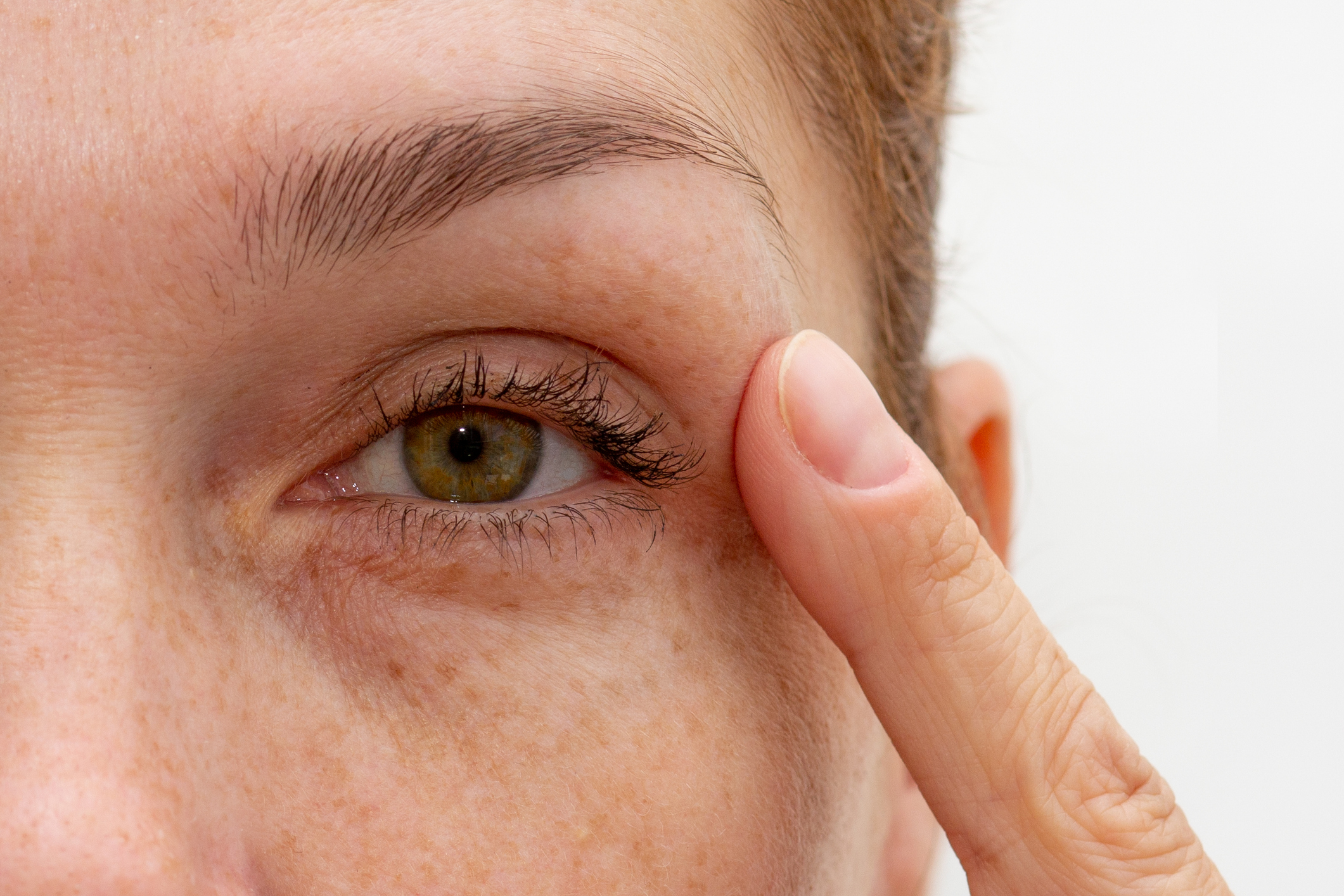
Eyelash loss (medically called madarosis or milphosis) is common and often temporary, but noticeable or sudden thinning can signal irritation, an eyelid issue, or a broader health condition.
It’s normal to shed 1–5 eyelashes per day. More rapid or patchy loss is worth attention, especially if it affects both eyes, comes with other hair loss (eyebrows or scalp), or involves eyelid redness, itching, crusting, pain, pressure around the eyes, or vision changes.
Common Causes
- Blepharitis and related eyelid inflammation: Clogged oil glands, bacteria, or Demodex mites lead to chronic irritation at the lash base. Symptoms often include redness, swelling, burning, itching, or crusting.
- Irritation or trauma from cosmetics and procedures: Mascara, waterproof makeup left on too long, eyelash extensions/glue, lifts, tints, or curlers can cause allergic reactions or traction alopecia (pulling damage to follicles).
- Autoimmune conditions: Alopecia areata can cause patchy loss of lashes (sometimes as an early sign); other autoimmune diseases (e.g., lupus) may also be involved.
- Thyroid disorders: Both hypothyroidism and hyperthyroidism can thin lashes (and often other hair).
- Medications and treatments: Certain drugs (blood thinners, some antidepressants, chemotherapy, radiation) and, less commonly, other systemic medications.
- Infections: Styes, chalazia, herpes, bacterial/fungal issues, or rarer systemic infections.
- Other factors: Hormonal shifts (e.g., menopause), nutritional deficiencies (iron, zinc, biotin, certain vitamins), aging, trichotillomania (compulsive pulling), skin conditions (rosacea, seborrheic dermatitis, psoriasis), or rarely eyelid skin cancers.
Loss can be non-scarring (follicles intact → regrowth possible) or scarring (permanent damage).
What You Can Do
- Stop potential irritants: Pause mascara, extensions, waterproof products, and harsh removers. Use gentle, oil-free cleansers and avoid rubbing.
- Eyelid hygiene (especially for suspected blepharitis): Warm compresses, gentle lid scrubs with diluted baby shampoo or commercial lid cleansers, and keeping lids clean. See an eye doctor before long-term self-treatment.
- Support overall health: Balanced diet with adequate protein, iron, zinc, and B vitamins; manage stress; review medications with your doctor.
- Cosmetic options while waiting for regrowth: False lashes (used carefully), tinted mascara if tolerated, or eyebrow/lash pencils. Avoid further trauma.
Prescription options (under medical supervision only): Bimatoprost (Latisse) is FDA-approved for hypotrichosis (inadequate lashes) and can lengthen/thicken them; other treatments target the underlying cause (antibiotics/anti-inflammatories for blepharitis, thyroid medication, etc.).
When to See a Doctor
See a primary care doctor, ophthalmologist, or dermatologist promptly if:
- Loss is sudden, rapid, or patchy
- Both eyes (or brows/scalp) are affected
- Eyelids are red, swollen, crusty, itchy, or painful
- You have vision changes, eye pressure, or other systemic symptoms (fatigue, weight changes, etc.)
- Over-the-counter measures don’t help after a few weeks
They may examine the lids (sometimes with magnification), check for mites or infection, order bloodwork (thyroid, nutrients, autoimmune markers), or biopsy if cancer is suspected. Early evaluation helps rule out treatable causes and maximize regrowth chances.
Individual cases vary—consult a qualified professional for evaluation and treatment tailored to you.