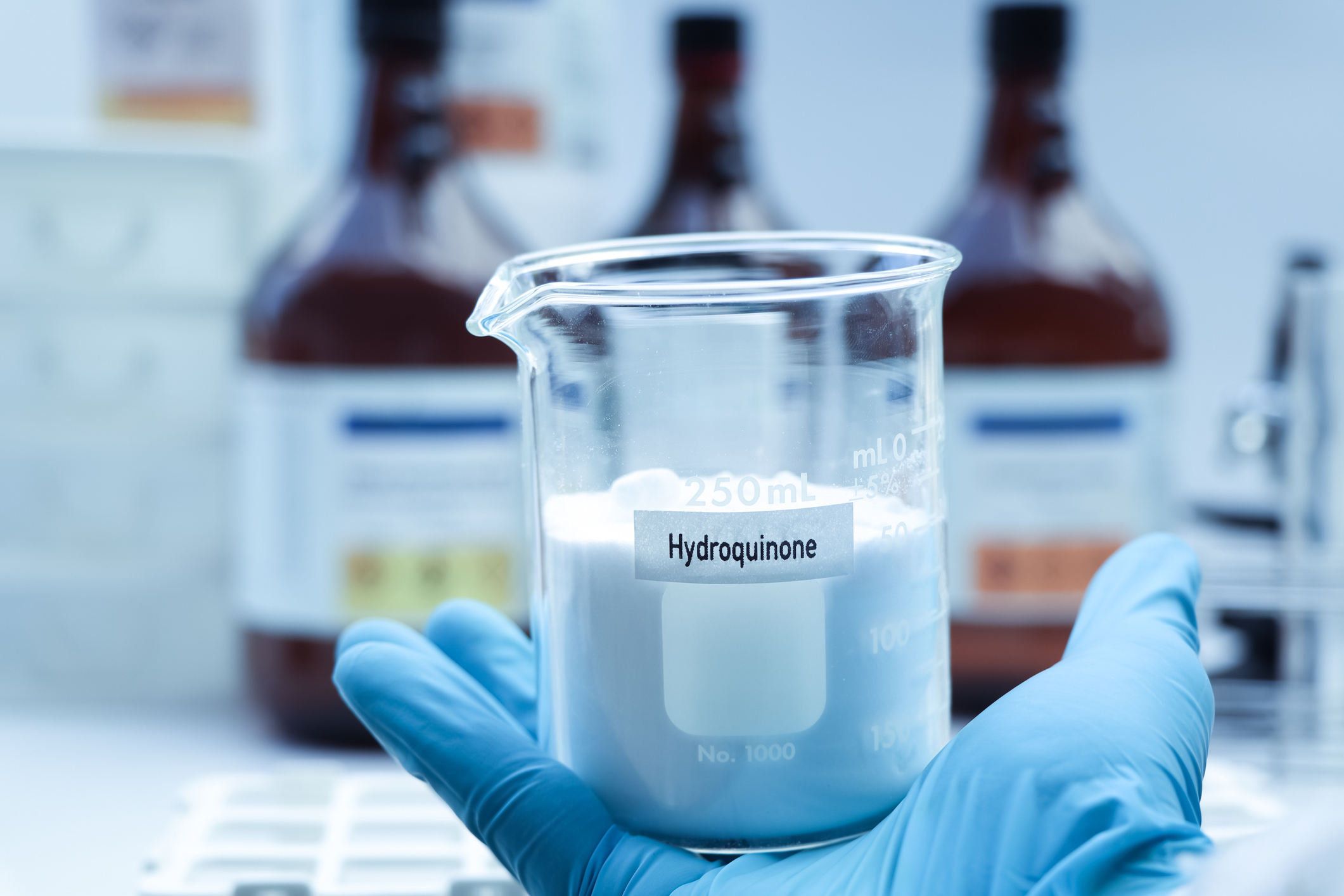
Hydroquinone Skincare Uses & Risks

Hydroquinone is a topical skin-lightening agent that treats hyperpigmentation by inhibiting tyrosinase, the enzyme involved in melanin production. This reduces dark spots and evens skin tone.
Primary Uses in Skincare
Dermatologists commonly prescribe hydroquinone (typically at 4% concentration) for:
- Melasma (including “pregnancy mask” or chloasma)
- Post-inflammatory hyperpigmentation (e.g., from acne scars, eczema, or psoriasis)
- Solar lentigines (age spots or sun spots)
Freckles - Other forms of skin discoloration caused by hormones, aging, sun exposure, or inflammation
It is highly effective as the “gold standard” for these issues, with visible lightening often seen in 4–8 weeks of consistent use.
How It Works and Application
Hydroquinone decreases melanin production and can break down existing pigment. Apply it as a cream, gel, lotion, or solution:
- Cleanse and dry the skin.
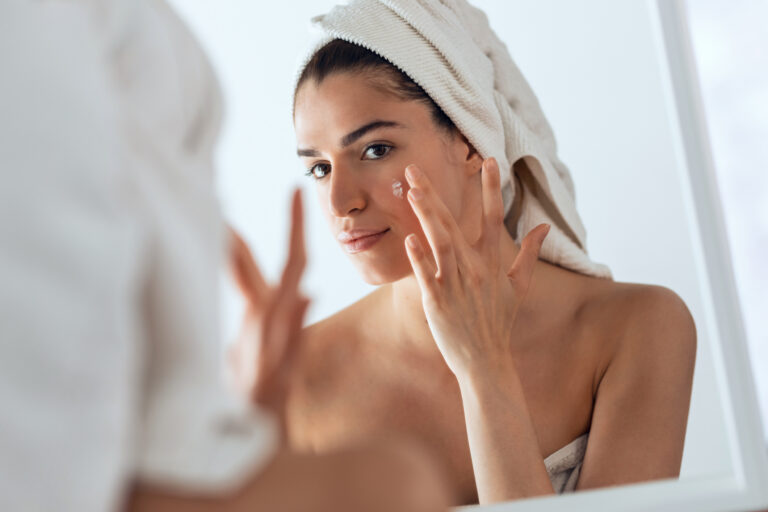
- Apply a thin layer only to the affected dark areas (not the entire face unless directed).
- Use once or twice daily (often at night, sometimes with retinoids like tretinoin for better penetration).
- Always follow with a broad-spectrum sunscreen (SPF 30+) during the day, as sun exposure can worsen pigmentation and counteract results.
- Typical course: 3–6 months maximum continuous use, then cycle off or reduce frequency to avoid side effects. Many use it in cycles (e.g., 3 months on, 1 month off).
Tip: Patch-test first on a small area. Combine with gentle skincare; avoid mixing with strong peroxides (like benzoyl peroxide) as they can irritate or deactivate it.
Safety, Regulations, and Risks
- Prescription-only in the US: Over-the-counter (OTC) hydroquinone is not FDA-approved. Prescription 4% versions are available and considered safe under medical supervision. Higher strengths may be compounded.
- Banned or restricted elsewhere: Prohibited in the EU, Australia, Japan, etc., due to safety concerns.
- Common side effects (usually mild): Dryness, redness, irritation, itching, or stinging. These often improve with moisturizer or lower frequency.
Rare but serious risks:
- Exogenous ochronosis: Blue-black discoloration (more common with long-term/high-dose use, especially in darker skin tones).
- Allergic reactions or permanent discoloration (rare).
- Systemic absorption is low (~35–45%), with no strong evidence of cancer risk from topical use (concerns stem more from oral animal studies).
Not recommended during pregnancy or breastfeeding. Consult a dermatologist, especially for darker skin tones where risks like ochronosis are higher.
Alternatives if Hydroquinone Isn’t Suitable
- Kojic acid, vitamin C, niacinamide, azelaic acid, or retinoids
- Tranexamic acid (oral or topical) for melasma
- Professional treatments like chemical peels or lasers
Hydroquinone remains one of the most effective options for stubborn hyperpigmentation when used correctly under professional guidance. Always prioritize sun protection and consult a dermatologist for personalized advice, as self-use of unregulated products can be risky.