Algae Bioretinol: Gentle Skincare Alternative

Algae bioretinol (or microalgae-derived bio-retinol) is a gentle, plant-based alternative to traditional retinol in skincare. It comes from sustainable sources like Chlorella vulgaris (green microalgae) or other blue-green algae/microalgae, providing retinoid-like benefits without the common irritation, dryness, or sun sensitivity of vitamin A derivatives.
How It Works and Key Benefits
Bio-retinol mimics retinol by promoting cell turnover, boosting collagen production, improving skin firmness/elasticity, reducing fine lines/wrinkles, smoothing texture, and addressing hyperpigmentation/dark spots. It works more mildly, often at the dermis level, and is non-phototoxic (doesn’t increase UV sensitivity).
Advantages over traditional retinol:
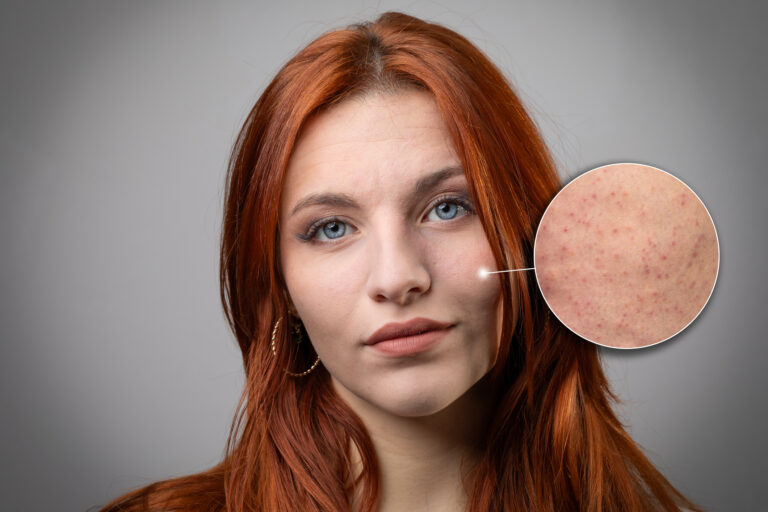
- Much gentler: Suitable for sensitive, reactive, acne-prone, or rosacea-prone skin; low irritation risk.
- Pregnancy/breastfeeding-safe (no vitamin A).
- Can be used daily, even in daytime (with sunscreen).
- Often pairs well with hydrators like hyaluronic acid, niacinamide, or peptides for enhanced results.
- Additional perks from algae: Antioxidant protection, hydration, anti-inflammatory effects, and skin barrier support.
Potential Drawbacks and Safety
Side effects are rare and mild compared to retinol (no flaking, redness, or purging typically). It’s generally non-irritating, non-cytotoxic, and well-tolerated. Always patch-test new products. Algae extracts are safe topically for most, though high-iodine content in some algae could theoretically irritate very sensitive skin (rare in formulated skincare). Avoid contaminated sources, but cosmetic-grade is regulated.
Popular Products and Brands
- OSEA Dream Bio-Retinol line (Night Cream, Body Serum, Trio): Uses algae-derived bio-retinol + red seaweed/niacinamide/hyaluronic acid. Praised for firming, smoothing, and hydration without irritation; lavender-scented body version helps with crepey skin.
- MARA Algae Retinol Face Oil: 1.2% clean algae retinol with evening primrose/green tea; lightweight, hydrating, good for glow and dark spots.
- Algenist products: Often feature green microalgae with retinol or collagen support.
- Others: Look for “marine bio-retinol,” “microalgal bioretinoid,” or algae extracts from brands emphasizing clean/sustainable formulas.
These are trending in clean, natural, and marine-based skincare (e.g., 2025-2026 buzz for gentle anti-agers).
How to Use It
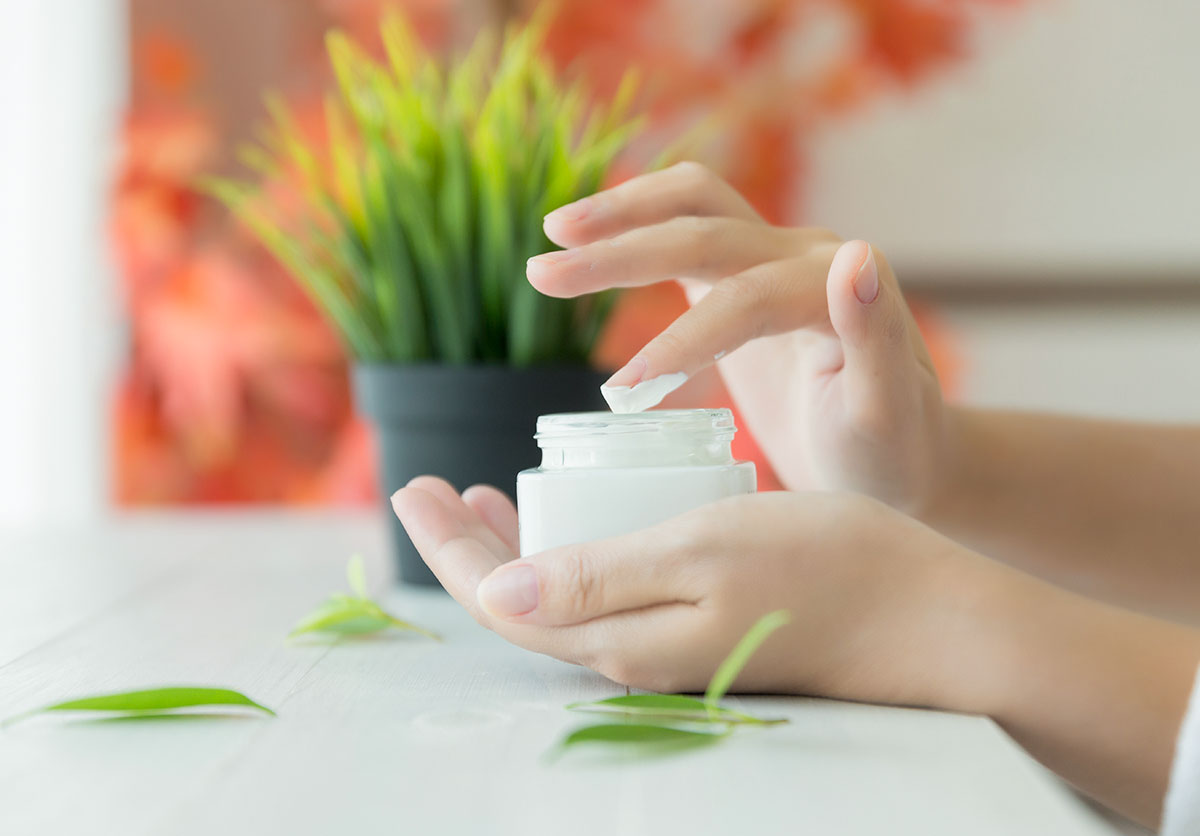
Incorporate into your evening routine (or daytime with SPF). Start with 2-3x/week if mixing with strong actives. Pair with moisturizer, barrier-repair ingredients (ceramides, peptides), and always use broad-spectrum sunscreen daily. It’s excellent for beginners or retinol-intolerant users transitioning to stronger actives.
Vs. other alternatives:
- Gentler than retinol/retinal.
- Often stronger/more studied for collagen/pigmentation than bakuchiol alone.
- Synergizes well with both.
For personalized advice, consult a professional, especially with specific skin conditions. Look for products with transparent sourcing for sustainability and efficacy. Algae bioretinol represents a shift toward effective, eco-friendly, skin-friendly anti-aging options.