Sunscreen Guide: Types, SPF, Recommendations

Sunscreen is the single most effective anti-aging tool for your skin — far more impactful than any serum, retinol, or cream alone. Up to 80-90% of visible skin aging (wrinkles, sagging, age spots, leathery texture, and loss of elasticity) comes from photoaging caused by UV radiation, not just chronological aging.
How UV Rays Cause Aging
- UVA rays (aging rays): Penetrate deeply into the dermis, generating free radicals that break down collagen and elastin, leading to wrinkles, sagging, and loss of firmness. They’re present year-round, even on cloudy days, and through windows.
- UVB rays (burning rays): Primarily damage the epidermis, causing sunburn, but also contribute to DNA damage and photoaging over time.
Without protection, repeated exposure triggers inflammation, oxidative stress, and matrix metalloproteinases (MMPs) that degrade skin’s structural proteins.
Key Sunscreen Basics
- SPF (Sun Protection Factor): Measures protection mainly against UVB rays (the burning ones). SPF 30 blocks ~97% of UVB, SPF 50 blocks ~98%. Higher numbers offer only marginal gains, so SPF 30+ is the sweet spot recommended by dermatologists and the American Academy of Dermatology.
- Broad Spectrum: Essential — protects against both UVA (aging, deeper penetration) and UVB rays.
Water resistance: Look for 40–80 minutes of protection while swimming/sweating. Always reapply.
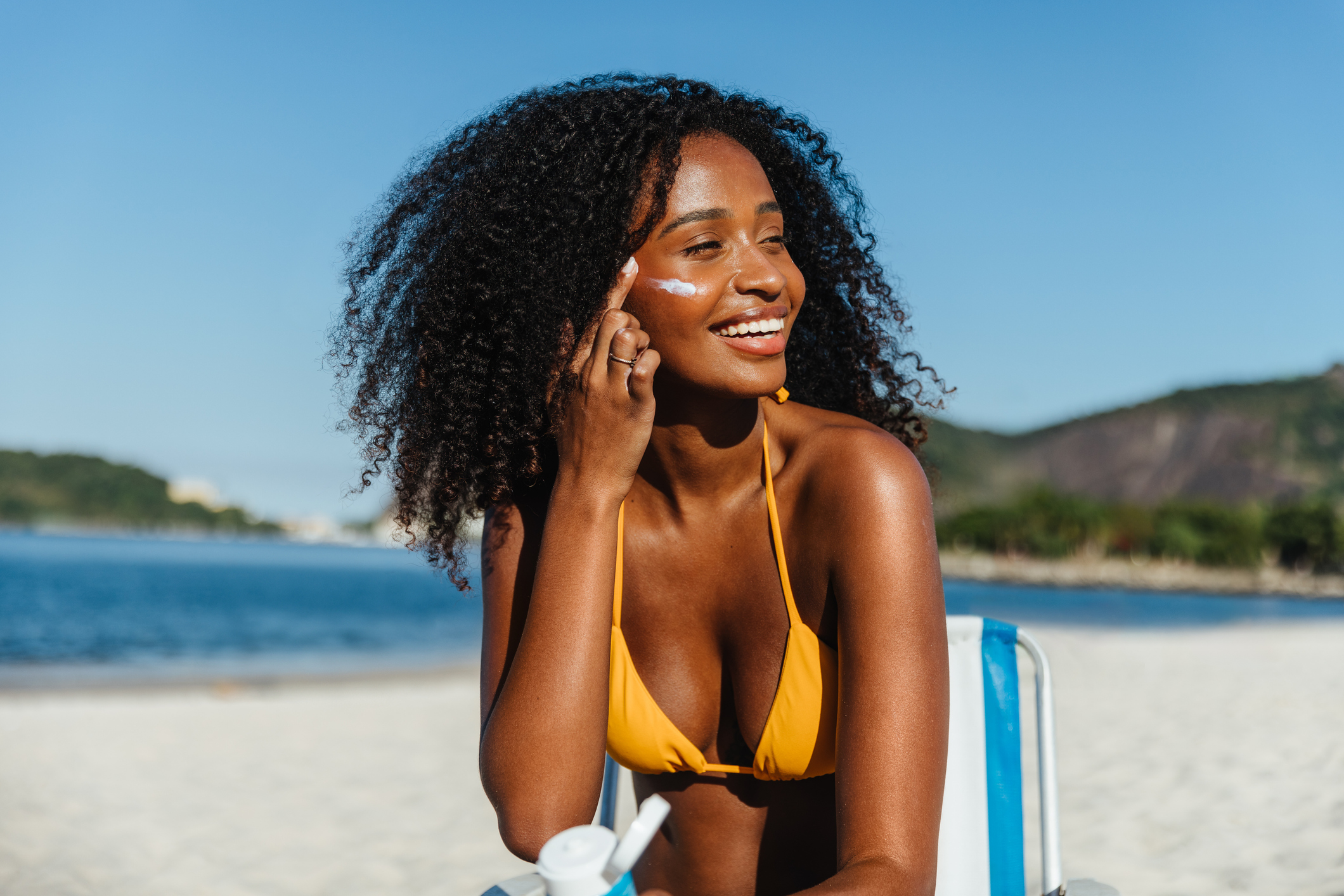
Pro tip: Apply ~1 ounce (a shot glass full) to your body, and reapply every 2 hours (or after swimming/sweating). Use daily, even on cloudy days or indoors near windows.
Chemical vs. Mineral Sunscreens
There are two main types:
Mineral (Physical) sunscreens use zinc oxide or titanium dioxide. They sit on top of the skin and reflect/scatter UV rays (though they also absorb some).
- Pros: Gentler on sensitive skin, work immediately, often reef-safe.
- Cons: Can feel thicker or leave a white cast (modern formulas are better, especially tinted ones).
Chemical sunscreens use ingredients like avobenzone, octinoxate, oxybenzone, etc. They absorb into the skin and convert UV rays into heat.
- Pros: Lightweight, invisible, easy to apply.
- Cons: Take 15–30 minutes to activate, potential for irritation, and some ingredients raise concerns for hormone disruption or environmental impact (e.g., oxybenzone/octinoxate are banned in some places for coral reefs).
Many experts prefer mineral options for daily use, kids, or sensitive skin.
Recommendations (2026)
Top-rated options from Consumer Reports, professionals, and reviews often include:
- La Roche-Posay Anthelios (melt-in milk or similar) — excellent broad-spectrum, lightweight.
- EltaMD UV Clear — great for faces, acne-prone/sensitive skin.
- Blue Lizard Sensitive Mineral — reliable mineral option.
- Supergoop, Coola, or Neutrogena lines for various needs.
Noteable: Our Mineral Mattifying Tinted Sunscreen SPF 50 is the lightweight, breathable hybrid you’ve been waiting for. Powered by natural mineral filters (zinc oxide + titanium dioxide), it delivers broad-spectrum UVA/UVB protection without any chemical filters or irritation.
Check EWG’s Sunscreen Guide for low-hazard ratings or Skin Cancer Foundation seals.
Ingredients to Watch
- Safer bets: Zinc oxide, titanium dioxide.
- Approach with caution: Oxybenzone, octinoxate, homosalate (potential hormone concerns; some are restricted).
The FDA says current US ingredients are safe based on available data, but mineral is often the conservative choice.
Extra Tips
- Combine with hats, sunglasses, shade, and protective clothing for best results.
- For faces: Look for non-comedogenic (won’t clog pores) formulas.
- Kids: Mineral is usually preferred.
In conclusion, sunscreen stands as one of the simplest yet most powerful tools we have for protecting our skin and long-term health. Consistent use of a broad-spectrum SPF 30+ product, combined with smart sun habits, significantly reduces the risks of sunburn, premature aging, and skin cancers—including melanoma.
Key Takeaways
UV radiation causes cumulative damage, even on cloudy days or through windows. Daily sunscreen application helps prevent this. Studies show regular broad-spectrum sunscreen use can cut the risk of squamous cell carcinoma substantially and melanoma by around 50% in consistent users.
Sunscreen works best as part of a broader strategy:
- Seek shade, especially between 10 a.m. and 4 p.m.
- Wear UPF clothing, wide-brimmed hats, and sunglasses.
- Reapply every two hours (or after swimming/sweating).
Addressing Concerns
Safety remains a valid discussion point. Both mineral (zinc oxide, titanium dioxide) and chemical filters are generally safe and effective when used as directed. Choose formulas that suit your skin type and preferences—many people prefer mineral options for sensitive skin or environmental considerations. Newer ingredients and improved formulations continue to enhance options.
Common pitfalls include under-application (use about a shot glass full for the body and a teaspoon for the face), skipping reapplication, or relying solely on sunscreen while staying in the sun longer. The best sunscreen is the one you’ll actually use daily—one that feels comfortable and fits your routine.
Final Call to Action
Start treating sunscreen like brushing your teeth: a non-negotiable daily habit. Check your skin regularly, see a dermatologist for annual exams, and teach these habits to your family. Your future self— with fewer wrinkles, spots, and health worries—will thank you. Sun protection isn’t about fear of the outdoors; it’s about enjoying it responsibly for years to come.
Make it a commitment in 2026 and beyond: pack it, apply it generously, and live confidently under the sun.
Stay protected out there.