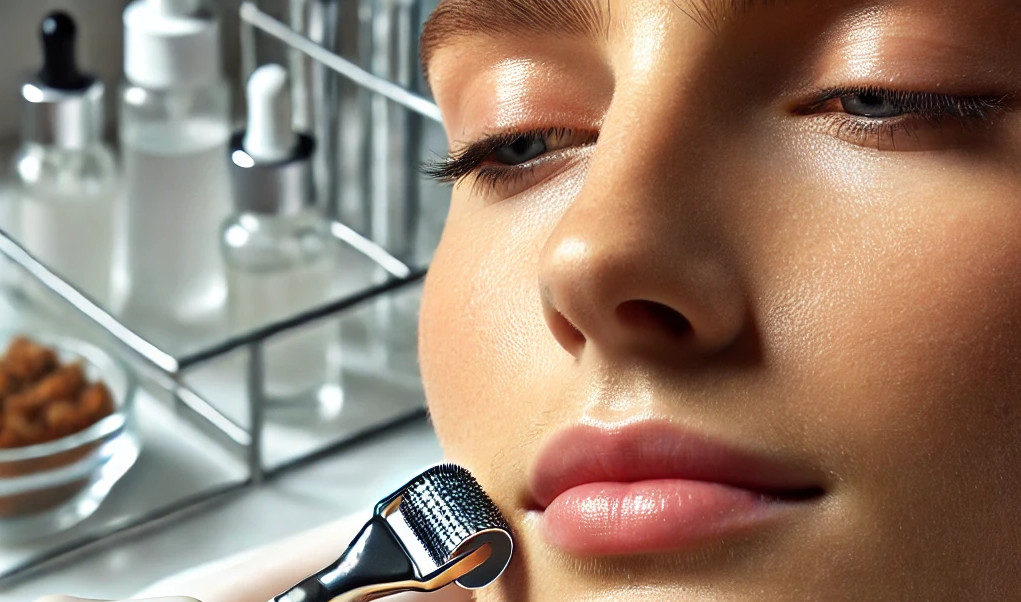
At-Home Microneedling Guide

At-home microneedling (also called dermarolling or using a derma pen at home) is a popular DIY skincare technique where tiny needles create micro-injuries in the skin to stimulate collagen production, improve texture, and enhance product absorption. It’s often used for concerns like fine lines, mild acne scars, uneven tone, enlarged pores, or overall glow.
Effectiveness
At-home versions are generally milder than professional treatments (done by professionals with deeper needles, often up to 2-3mm). Home devices typically limit needle depth to 0.25-0.5mm (sometimes up to 1mm in adjustable electric pens, but experts recommend staying shallow for safety).
- Benefits — Can provide mild improvements in skin texture, brightness, product penetration (e.g., serums absorb better), and subtle collagen boost over time with consistent use.
- Limitations — Results are gradual and less dramatic than in-office sessions. Significant changes for deep scars, wrinkles, or pigmentation usually require professional tools. Many professionals note it mainly helps with surface-level maintenance rather than major remodeling.
- Timeline — Visible glow or smoother texture might appear after a few sessions, but full collagen benefits can take 3-6 months of regular use (e.g., every 1-4 weeks, depending on needle length).
Many users report positive before-and-after changes with patience, like reduced fine lines or faded marks, but results vary by skin type, consistency, and device quality.
Safety and Risks
The FDA, dermatologists and professionals emphasize that microneedling carries risks, especially at home, where hygiene and technique aren’t professionally controlled.
Common temporary side effects (even when done right):
- Redness, swelling, tightness (like a mild sunburn) for 1-3 days.
- Minor pinpoint bleeding or peeling.
More serious risks (higher with improper use):
- Infection (from unclean tools or skin).
- Scarring.
- Irritation or allergic reactions to post-treatment products.
- Post-inflammatory hyperpigmentation (especially in darker skin tones).
- Spreading viruses (e.g., warts or cold sores) if active issues exist.
Not suitable for:
- Active acne, eczema, rosacea, open wounds, or infections.
- Those on blood thinners, with certain medical conditions, or during pregnancy (consult a doctor).
- Very sensitive skin without patch-testing.
Key safety advice from sources like the FDA and pros:
- Stick to short needles (0.3mm or less for beginners) to minimize risks.
- Never share devices.
- Avoid if you’re prone to keloids or have bleeding disorders.
- Many experts recommend professional treatments for deeper or safer results, as at-home can lead to damage if overdone or done incorrectly.
How to Do It Safely at Home (Step-by-Step Guide)
- Choose a device (see also: Top-Rated & Popular At-Home Microneedling Devices)— Opt for reputable ones with adjustable depths and single-use cartridges (e.g., electric pens like Dr. Pen models, BeautyBio GloPRO, or similar highly rated options from recent reviews). Avoid cheap manual rollers that can tear skin.
- Prep — Cleanse face thoroughly. Disinfect device (in 70% isopropyl alcohol for 5-10 minutes). Wash hands. Optional: Apply numbing cream for longer needles.
- Needle and apply — Use light pressure. Roll or stamp in sections (vertical, horizontal, diagonal passes). Don’t press hard—let the device do the work.
- Post-care — Apply soothing, hydrating serums (hyaluronic acid, peptides, or growth factors). Avoid actives like retinol/acids for 48+ hours. No makeup, sun exposure, or harsh products initially.
- Clean up — Disinfect device again and store properly. Replace cartridges/rollers as directed.
- Frequency — Start every 2-4 weeks; shorter needles allow more frequent use.
Always patch-test and stop if irritation worsens. Consult a professional first, especially if new to this or have skin concerns—they can guide if it’s right for you or recommend safer alternatives.
If you’re considering it for specific issues (e.g., scars or anti-aging), professional microneedling often yields better, faster results with lower risk. Stay consistent with sun protection and gentle skincare for the best outcomes.