
Peptides in Skincare: Benefits & Types

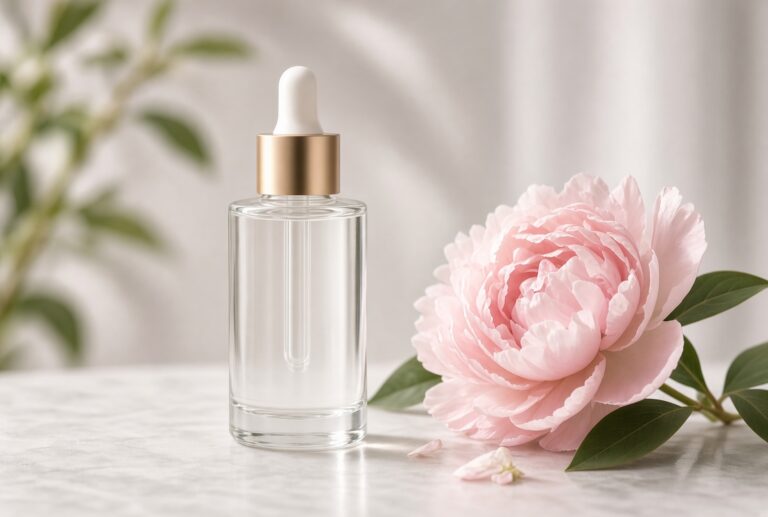
Peptides are short chains of amino acids (the building blocks of proteins) that have become a popular ingredient in skincare, especially for anti-aging purposes. They’re often added to serums, creams, and moisturizers to help support skin health by mimicking natural processes in the body.
How Peptides Work in Skincare
Peptides act as signaling molecules that “communicate” with skin cells, encouraging them to perform functions like producing more collagen or repairing damage. They can penetrate the skin (especially smaller ones) and target concerns such as wrinkles, loss of firmness, and dullness. They’re generally gentle and suitable for most skin types, including sensitive skin.
Here are the main types of peptides commonly used in skincare, along with their primary roles:
- Signal peptides — These stimulate fibroblasts (skin cells) to ramp up production of collagen, elastin, and other proteins for better firmness and elasticity.
- Carrier peptides — They deliver trace elements (like copper or manganese) to the skin to support repair, healing, and collagen synthesis.
- Neurotransmitter-inhibiting peptides (e.g., Acetyl Hexapeptide-8, often called “Botox in a bottle”) — These help relax facial muscles to reduce the appearance of expression lines and dynamic wrinkles.
- Enzyme-inhibiting peptides — These block enzymes that break down collagen, helping preserve skin’s structure and prevent further degradation.
Key Benefits
Research, including reviews and clinical studies, supports several benefits, though results are often modest and cumulative (best seen with consistent use over weeks to months):
- Boosting collagen and elastin production → Leading to firmer, more elastic skin and reduced fine lines/wrinkles.
- Improving skin barrier function and hydration → For plumper, more resilient skin.
- Reducing inflammation and supporting wound healing/repair.
- Minimizing expression wrinkles (especially with muscle-relaxing types).
- Enhancing overall skin texture, tone, and radiance.
Evidence comes from sources like PMC studies showing peptides stimulate basement membrane proteins, reduce wrinkle depth, and improve skin senescence (aging). They’re not as potent as retinoids or sunscreen for prevention, but they pair well with those ingredients. Dermatologists note benefits are more reliable when combined with sun protection, as UV damage breaks down collagen faster.
Popular Peptides and Products
Some well-studied or trending ones include:
- Palmitoyl Pentapeptide-4 (Matrixyl) — Strong evidence for collagen stimulation and wrinkle reduction.
- Copper peptides (e.g., GHK-Cu) — Support repair and firmness.
- Acetyl Hexapeptide-8 (“Botox in a bottle”)— For smoothing expression lines.
- Multi-peptide blends → Common in modern formulas for broader effects.
Recent recommendations (as of 2025–2026) highlight effective peptide products like serums from SkinCeuticals (e.g., P-Tiox), Paula’s Choice, The Ordinary Multi-Peptide + HA, SkinMedica TNS Advanced+, Jan Marini, and affordable options from brands like Olay or Cetaphil.
Peptides are generally safe with low irritation risk, but patch-test new products. For best results, use them consistently (often twice daily) in your routine after cleansing and before moisturizer. If you’re targeting significant aging signs, combine with proven staples like retinoids, vitamin C, and daily SPF.